- This week at a glance
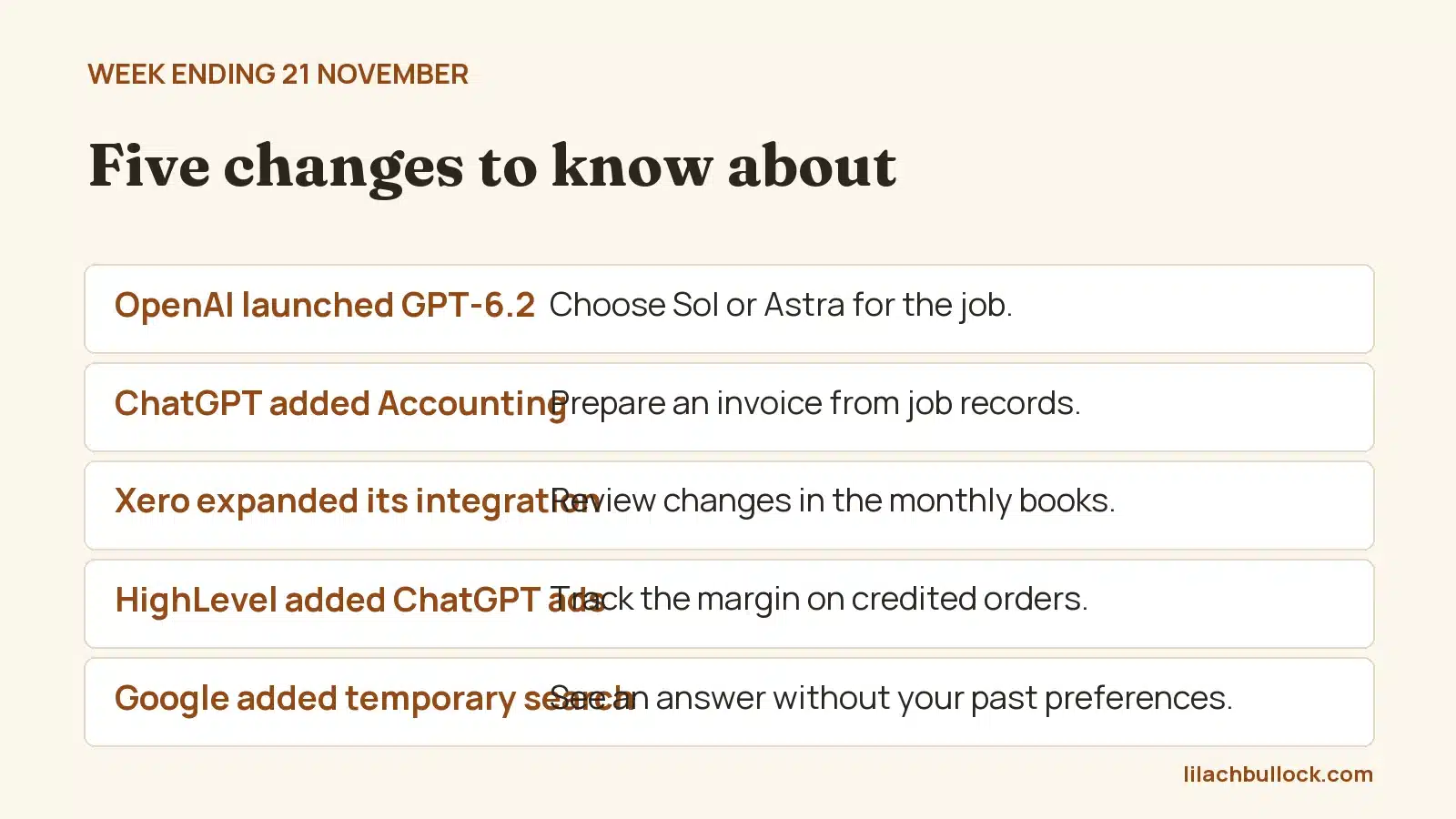
- 1. OpenAI releases GPT-6.2 Astra and Sol
- 2. OpenAI adds an Accounting plugin to ChatGPT
- 3. Xero brings month-end review into ChatGPT for Accounting
- 4. HighLevel adds ChatGPT ads to Ad Manager
- 5. Google shows Black Friday shoppers how to check a deal
- 6. Google Search introduces temporary AI Mode threads
- 7. HighLevel previews daily AI search visibility checks
- 8. Salesforce and Microsoft open Salesforce in Copilot to public preview
- 9. HighLevel previews a meeting notetaker that proposes follow-ups
- 10. Google adds saved brand styles and small-business tools to Gemini
- 11. Google Vids adds reusable media to Gemini Omni video projects
- 12. Google releases Gemini 4 Neon
- 13. Gemini Notebook can build an interactive site from your source material
- 14. Gemini skills can now be shared and linked to live Drive files
- 15. Microsoft makes Office in Copilot generally available
- 16. Gemini gains computer use on eligible US Macs
- 17. Claude computer use reaches Team and Enterprise in beta
- 18. Twilio updates the technology behind AI phone agents
- 19. GoDaddy Airo adds templates and explains what a site rebuild carries over
- 20. OpenAI rolls ChatGPT Space out to Plus subscribers
- Buyer's guide: GPT-6.2 Astra vs Sol vs Claude Fable 5.2
- How to use ChatGPT for invoicing, from the quote to the final balance
- If you have an hour this week
- Frequently asked questions about this week's AI news
- Catch up on the Weekly AI Digest
Reporting week: 15 to 21 November 2026
OpenAI released GPT-6.2 Astra and Sol on Tuesday and added an Accounting plugin on Wednesday. By Thursday, Xero had announced how US businesses could use that plugin to review their books. If you quote for work and take a deposit, those three announcements belong together: you can prepare the quote, check what the buyer agreed to and draft the balance due from the same job records.
The other news I would put in front of a business owner this week is about where customers find you. HighLevel added a way to buy ChatGPT ads. Google introduced temporary searches in AI Mode. One costs money to try. The other can show you, in a few minutes, why Google recommends the bakery down the road.
This week at a glance
- If you quote or invoice: GPT-6.2 Astra and Sol, ChatGPT for Accounting and Xero month-end review.
- If you sell online or locally: ChatGPT ads, Black Friday price checks, temporary Google AI searches and AI visibility reporting.
- If you manage sales or marketing: Salesforce in Copilot, HighLevel meeting notes, Gemini brand styles and reusable footage in Google Vids.
- If you run a team: Gemini 4 Neon, Notebook sites, shared Gemini skills, Office in Copilot, Gemini on Mac and Claude computer use.
- If customers call, book or approve work: Twilio voice agents, GoDaddy site rebuilds and ChatGPT Space sharing.
Want the hands-on version? Jump to the Astra, Sol and Fable buying guide, the complete invoice walkthrough or the FAQs.
1. OpenAI releases GPT-6.2 Astra and Sol
17 November. OpenAI released two models in ChatGPT Work and Codex. Sol is its everyday model. Astra is designed for longer jobs involving several steps or files, including building a spreadsheet or proposal to match a template. At launch OpenAI listed Plus, Pro, Enterprise and Edu, subject to workspace settings. OpenAI's release
What it means for your business. If you sell your time, the interesting question is what happens when a client changes their mind. Sol can turn an agreed delivery date into a perfectly good email. Move a workshop online and suddenly the travel fees, recording rights, quotation and confirmation email all need changing. That's a job I'd hand to Astra.
Use it this week. Give Sol one finished quote with the answer hidden. Try Astra on the same quote if the first draft gets the fee right but misses something you promised. Already working in Claude? Last week's 15 November digest covered Fable 5.2 and its launch allowance. Below, I've compared the three models for business use, with the exact job, answer key and evidence behind my recommendation.
2. OpenAI adds an Accounting plugin to ChatGPT
18 November. ChatGPT's new Accounting plugin helps prepare invoice entries, reconcile records and draft month-end reports from the files and accounting tools you provide. It's free to install in eligible workspaces. Plan usage and the actions a connected app supports can vary. OpenAI's accounting guide
What it means for your business. Your invoicing software can already send an invoice. Where this helps is the half-hour before that, when you're hunting through emails to find out whether the client booked the extra hour. A photographer taking deposits or a tradesperson buying parts after a job starts has a reason to try it. A shop that gets paid in full at checkout has much less to gain.
Use it this week. Start with a completed job. Give it the accepted quote, deposit receipt, email about extras and delivery note. Ask for the amount due and the evidence behind each line. In the invoice walkthrough, you can copy all four records and check the answer yourself. Take the receipt away on the second run. That's when you find out whether it asks for help or simply assumes you've been paid.
3. Xero brings month-end review into ChatGPT for Accounting
19 November. Xero expanded its US integration to help owners and bookkeepers review current Xero figures in ChatGPT, investigate changes and prepare for the month-end meeting. Xero directs you back to its ledger to act on the findings.
What it means for your business. If packaging costs have gone from $600 to $900, there are at least two conversations you could have. One is with the supplier about a price rise. The other is with the person who packed 450 boxes this month instead of 300. At $2 a box, that supplier hasn't put the price up at all.
Use it this week. Ask for the bills driving the change, the quantities and the price per unit for both months. Open the largest bill and check it. If the line only says 'packaging', you've found the missing piece before picking up the phone. Start with how accounts payable works if your report mixes bills received with money that left the bank.
4. HighLevel adds ChatGPT ads to Ad Manager
20 November. HighLevel announced that advertisers can create text-and-image ChatGPT campaigns inside Ad Manager, supply hints about the conversation an ad should appear in, and track website conversions. Its reporting gives credit for purchases within 30 days of a click.
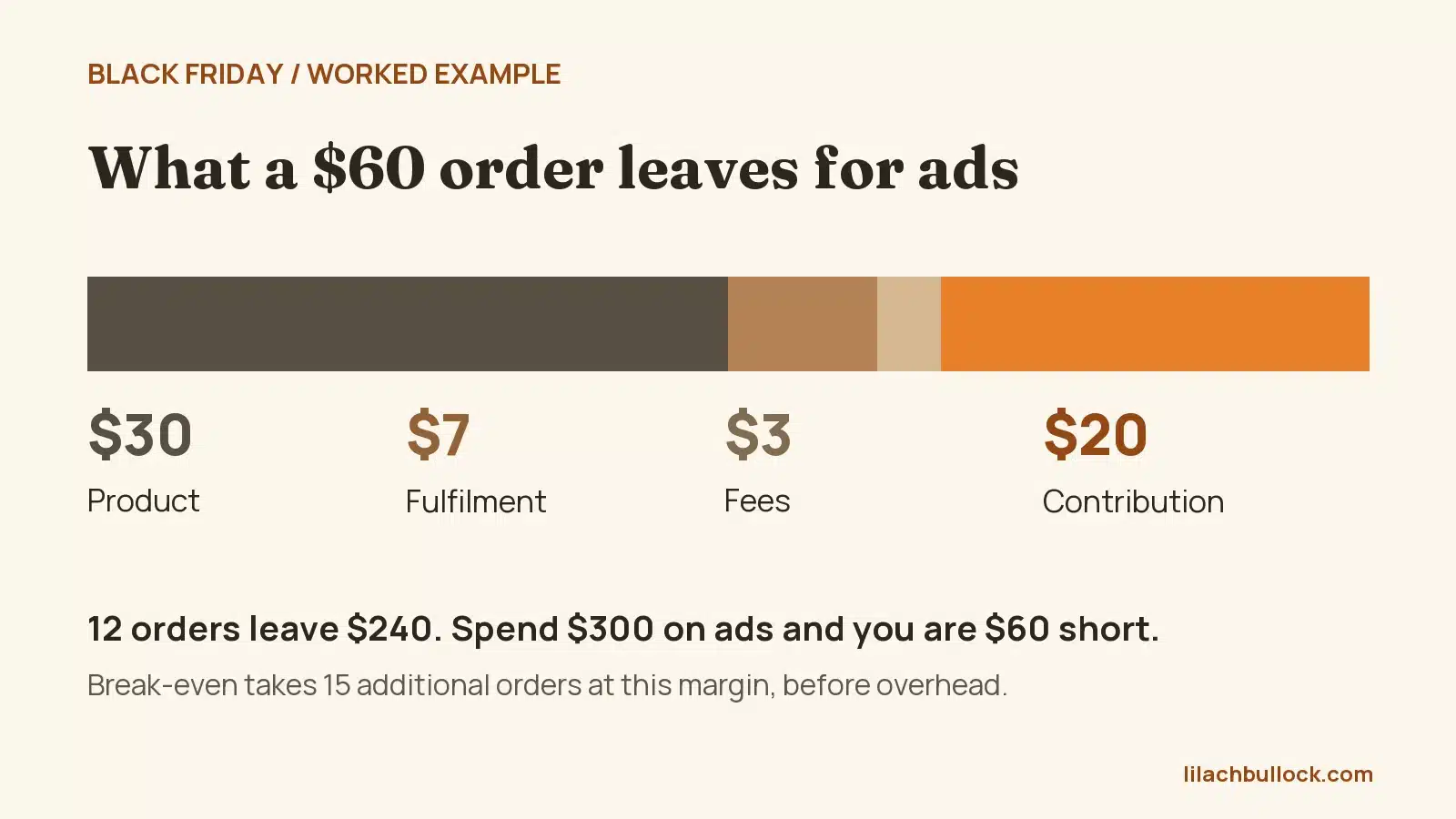
What it means for your business. Suppose a coffee roaster spends $300. Twelve shoppers buy a $60 gift box. That's $720 in sales. It also costs $30 for the product, $7 to pack and ship it and $3 in fees on each order. Twelve boxes leave $240 to pay for a $300 ad. Even if every sale was additional, you're $60 down before overhead.
Use it this week. Run your own break-even calculation before increasing spend. Here you need 15 additional, unrefunded orders to cover the ad. Separate returning customers from first orders when you calculate customer acquisition cost. The 16 August digest covered the UK ChatGPT ads launch. This week's change is where an agency can buy and measure those ads.
5. Google shows Black Friday shoppers how to check a deal
16 November. Google published its holiday shopping guide, highlighting price history, comparisons across sellers and promo codes in Universal Cart. The guide is new this week. Several shopping features it describes were already available.
What it means for your business. Your email advertises a gift for $40. Shipping adds $8. A customer asking Google for a gift under $45 delivered has good reason to choose the rival at $45, even if their headline price looks dearer.
Use it this week. Look up the exact pack, colour and size in your sale email. Check the delivered price on your phone. Ten per cent off a $40 item brings a $48 delivered order down to $44. Offering free delivery brings it to $40 but gives up $8 of shipping revenue. Both get the sale under the customer's ceiling. Check which you can afford. Then check the listing ChatGPT shows for that product.
6. Google Search introduces temporary AI Mode threads
17 November. Google started rolling out temporary threads in AI Mode across supported languages on desktop and mobile browsers. The temporary-thread icon opens a search without your account's past preferences. The thread doesn't stay in your search history.
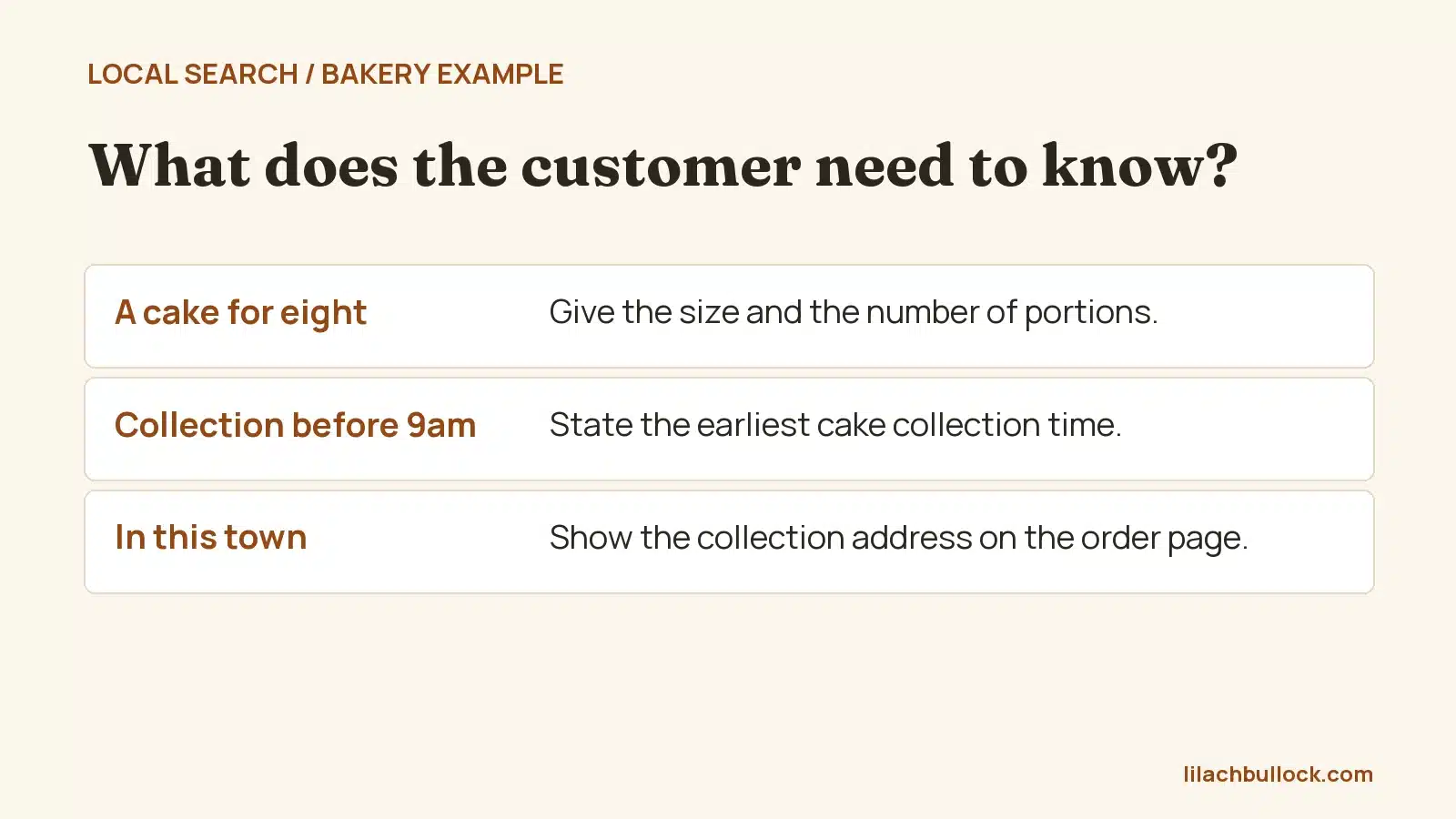
What it means for your business. If you run a local business, you can try a search that sounds like a buyer without your own regular browsing colouring the answer. Location and wording still matter. 'Birthday cake for eight, collection before 9am in [town]' is a better test for a bakery than typing its own name.
Use it this week. Save the answer before closing the thread. Follow the page Google cited. The competitor might say orders can be collected at 8.30. Your page might only say the shop opens at eight. If you do offer early collection, there's a sentence worth adding today. Find the words customers use in enquiries or check your business's AI visibility.
7. HighLevel previews daily AI search visibility checks
20 November. HighLevel's new AI & Search Visibility tool entered private beta. It combines a technical site check with daily scans of Google AI Overviews, Gemini and ChatGPT for brand mentions and competitor recommendations.
What it means for your business. If you're the agency reporting those mentions, give the owner one more column: what did the answer say they sell? Eight mentions don't help much if six recommend a bakery for weddings it no longer caters.
Use it this week. Agree five buyer questions before changing the site. For each, save the question, business named, service recommended and page cited. Repeat with the same wording. Correct an obsolete service before chasing another mention. Here's my AI visibility checklist and how I connect visibility work to enquiries.
8. Salesforce and Microsoft open Salesforce in Copilot to public preview
17 November. The Salesforce plugin brings at least 38 sales skills into Microsoft Copilot. It can retrieve information within a rep's Salesforce permissions and propose supported updates to the CRM. Writing a change back requires explicit confirmation. Sales Cloud in Teams was still an enterprise pilot.
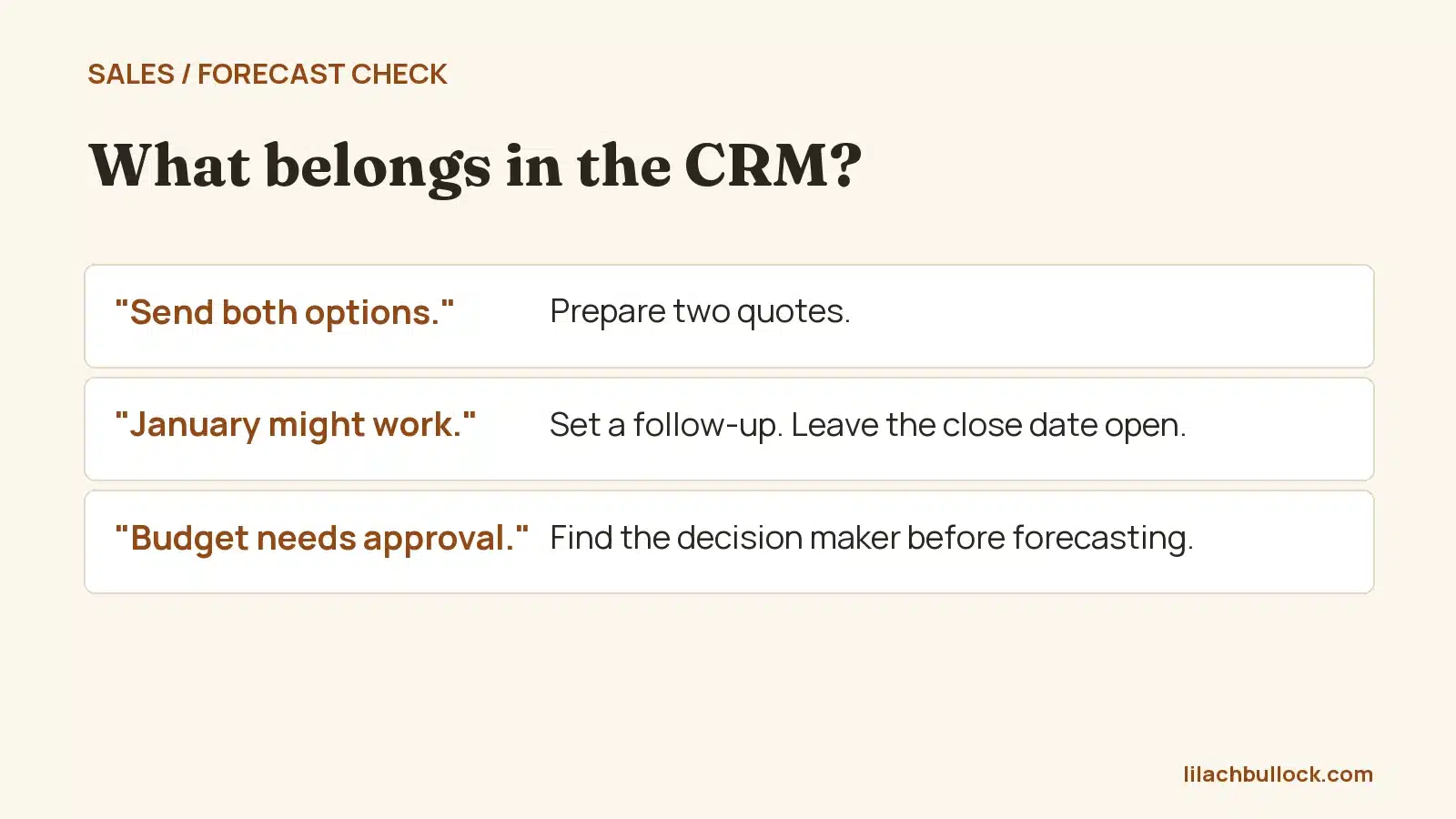
What it means for your business. 'Send both options. January might work. I'll need budget approval.' That's enough to send two quotes. I wouldn't move $12,000 into a committed January forecast on the strength of it. The plugin puts that decision in front of the rep who knows the account.
Use it this week. Open one opportunity and request the customer's exact words beside every proposed change to the amount, close date and stage. If the only firm date belongs to your own follow-up, leave the customer's date open. Give reps a shared definition of each sales stage and clean up duplicate CRM records before trusting a summary of the account.
9. HighLevel previews a meeting notetaker that proposes follow-ups
20 November. Meeting AI went into private beta for Google Meet, Zoom, Teams and Webex. It can surface CRM context during the conversation and pick out action items afterwards for approval.
What it means for your business. A call can go beautifully and still cost you the sale if the samples never arrive. The valuable part is knowing which promise belongs to which person. Last week Claude Meetings brought the follow-up into the call itself. HighLevel's version is particularly relevant if the team already manages prospects there.
Use it this week. On a call everyone has agreed to record, finish with 'I'll price both sizes by Thursday. You'll send the address once the venue confirms.' There are two tasks and only one deadline. Check both owners before approving the follow-up. The 11 October issue covered turning a recording into a follow-up. Here's what sales notetakers can miss.
10. Google adds saved brand styles and small-business tools to Gemini
20 November. Google announced a business starting page, marketing and finance skills, and new app connections rolling out globally in Gemini. You can supply your brand kit, colours, fonts or website and reuse that style on later marketing assets.
What it means for your business. A three-jar gift set needs a square shop image and a portrait email image. Getting the brand right matters. So does getting all three jars in the picture. A beautifully cropped pair is a rather different deal for $30.
Use it this week. Start from one approved pack photo. Ask for both formats and specify what must stay visible. Compare the result on your phone with the product a buyer receives. Once both assets pass, use the ad creative testing sheet. For an alternative way to build the first visual, the 25 October edition covered Canva Craft.
11. Google Vids adds reusable media to Gemini Omni video projects
20 November. Google's Workspace notice describes a new Assets section that keeps images, footage and audio available for later video generations within the same Vids project. Rapid Release began on 17 November. Scheduled Release starts on 2 December. Business Starter is eligible.
What it means for your business. This changes the economics of a small product shoot. The footage you use to sell a gift can also answer the question the customer has after it arrives. You only have to get the lighting, packaging and product right once.
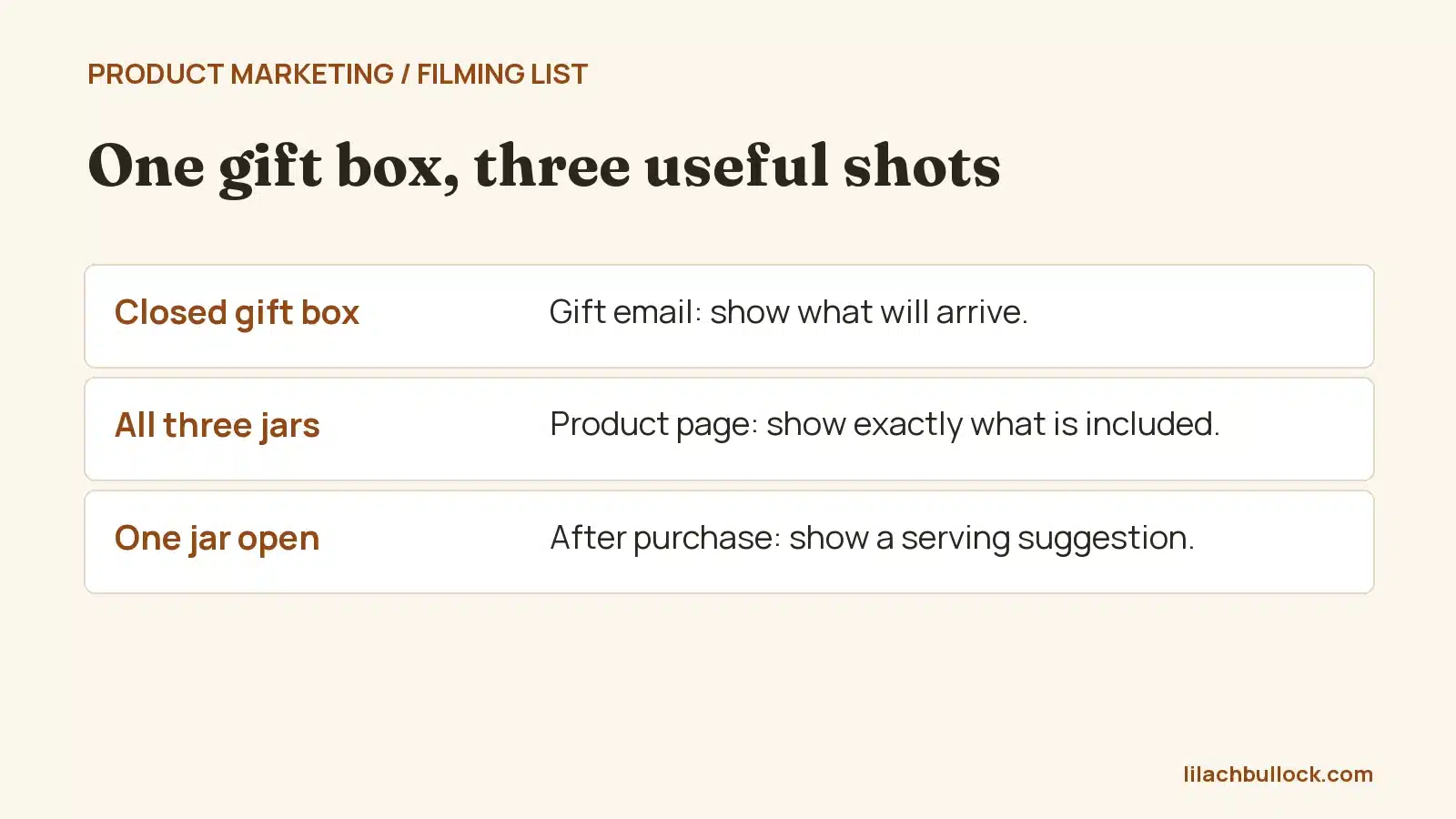
Use it this week. Film the closed box, all the jars laid out, then one jar being opened. Use the first shot for the gift email, the second for the product page and the last for a serving suggestion. The 8 November digest covered Gemini Omni's conversational video edits. Here's how to repurpose one piece of content once you have the footage.
12. Google releases Gemini 4 Neon
18 November. Google rolled Gemini 4 Neon out to surfaces including the Gemini app for Pro and Ultra users. Google highlights its ability to handle corrections as a task unfolds. It's another candidate if the team already pays for Gemini.
What it means for your business. A changed appointment can affect three customers who never asked to move. That's a much more interesting test for an installer than whether a model can produce an attractive timetable from scratch.
Use it this week. Give Neon four appointments, three installers and two vans. Mark which jobs need two people. Once it has a rota, tell it one van is unavailable until noon. Ask for the revised route and the customers whose times moved. Trace one van between jobs. If yours is an agency, compare ChatGPT, Claude and Gemini for marketing work; for last week's model changes, see Gemini Hydrogen and Carbon in the 15 November digest.
13. Gemini Notebook can build an interactive site from your source material
18 November. Google announced that adult Notebook users can turn their sources into an interactive site on the web. The gradual rollout began on 16 November for Workspace and eligible personal accounts.
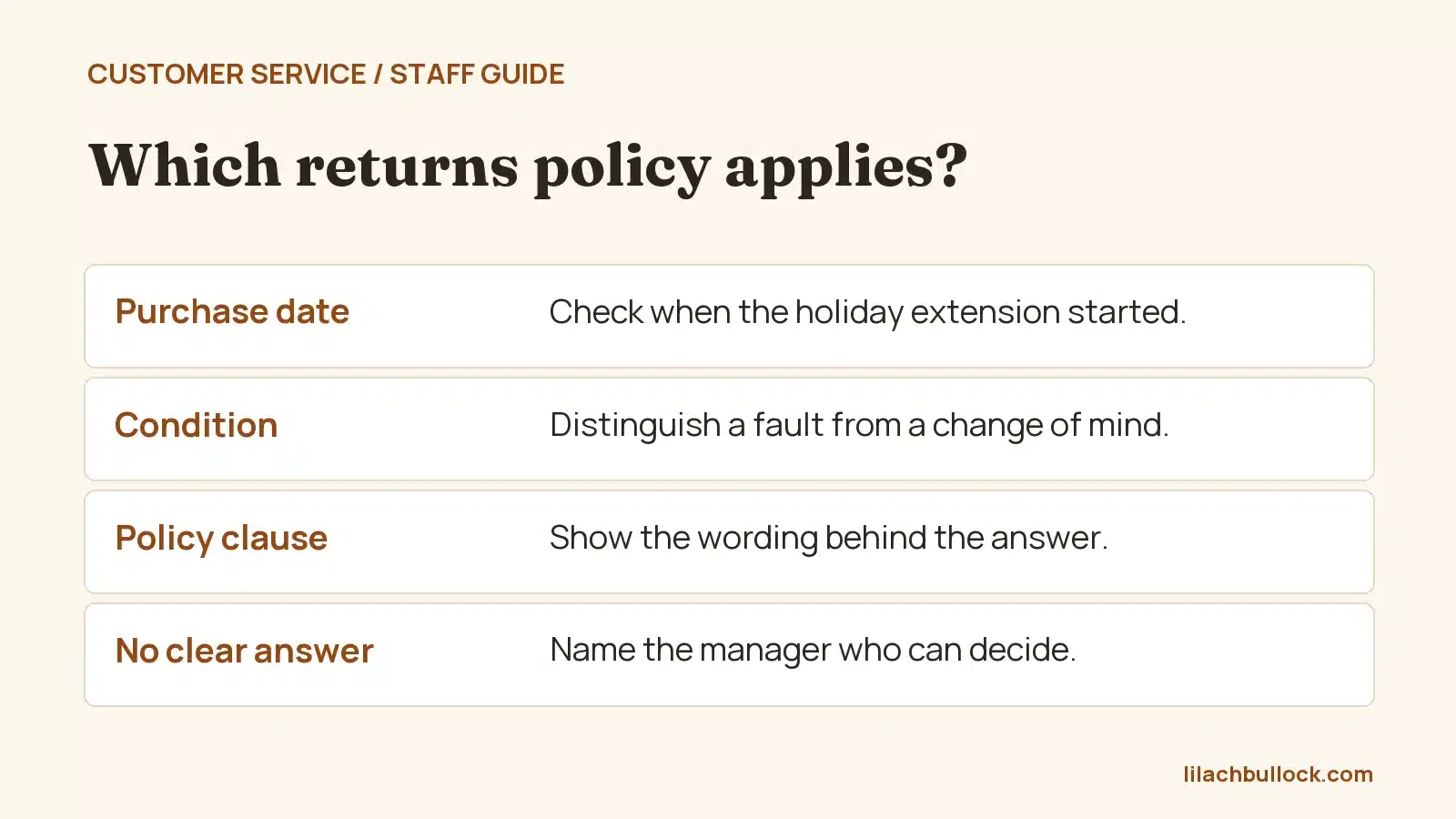
What it means for your business. A returns policy in a folder assumes the person covering lunch has time to read it. A short page can ask when the item was bought, whether it's faulty and whether the customer opened it. That's useful when the normal policy and a Christmas extension cover different dates.
Use it this week. Give Notebook the policy and dated amendment. Ask for an answer with the supporting clause on every route. Try an opened gift bought the day before the extension began. If the documents leave a gap, show the manager who decides. If the whole policy fits on a card by the till, print the card. For a larger team, here's what to look for in knowledge-base software.
14. Gemini skills can now be shared and linked to live Drive files
16 November. Google detailed web-based sharing with view or edit permissions and support for reference files from Drive, Gemini Notebook and Photos. Linked Drive files and Notebooks can update as the source changes. Rollout began on 12 November; recipients need access to the underlying Drive files.
What it means for your business. The first skill I'd share at a print shop would prepare quotes using the current turnaround sheet. When the press goes down, one update should stop the next shift promising banners in five days.
Use it this week. Change a test sheet from five working days to seven. Ask a colleague to prepare a quote using their own account. If it still promises five, open the source under that account and check the version. The 25 October issue explained reusable agent skills; the 15 November issue showed how to save Workspace instructions. This week's advance is getting the whole team onto the same instructions.
15. Microsoft makes Office in Copilot generally available
17 November. At Ignite, Microsoft announced general availability of Office in Copilot for eligible subscribers. Teams can create and edit Word files, Excel workbooks and PowerPoint presentations inside Copilot. Files inherit Microsoft 365 permissions.
What it means for your business. If the customer wants an editable Word quote and everybody reviewing it works in Microsoft 365, the handover can matter more than the model. Keeping the brief, document and review together saves the export-and-reformat job.
Use it this week. Give it a completed event brief and ask for a one-page handover for the person unloading the van. Include the access time, loading entrance, headcount and broken lift. Hand the draft to someone who missed the call. Can they tell when to arrive and how many people to send? For teams working in Google instead, the 1 November digest covered editable Gemini files and slide decks.
16. Gemini gains computer use on eligible US Macs
19 November. Google started rolling out computer use in the Gemini Mac app. It can operate permitted apps in a background window with a live preview. Launch eligibility is English in the US, an adult personal Google account on AI Plus, Pro or Ultra, and an Apple Silicon Mac on macOS 15 or later.
What it means for your business. A wholesaler getting shipping quotes can hand over the clicking between a packing slip and a carrier's form. The saving depends on whether the quote is right when you come back, particularly if one box is heavier or a second address attracts a surcharge.
Use it this week. Use yesterday's consignment. Give it the packing slip and tell it to stop at the quote. Compare with what the carrier charged. If it missed a carton, you now know the exact field to check on the next attempt. The 1 November edition covered GPT-6.1 Terra for routine computer work if you're comparing tools for the same job.
17. Claude computer use reaches Team and Enterprise in beta
20 November. Anthropic began a gradual rollout of computer use to Team and Enterprise organisations. With computer access enabled, Claude can see the screen and work in the desktop apps the user allows. Anthropic's November release notes
What it means for your business. For a returns desk copying order references between two old systems, this offers a way to try automation before commissioning an integration. The number worth timing is staff attention, including the check at the end.
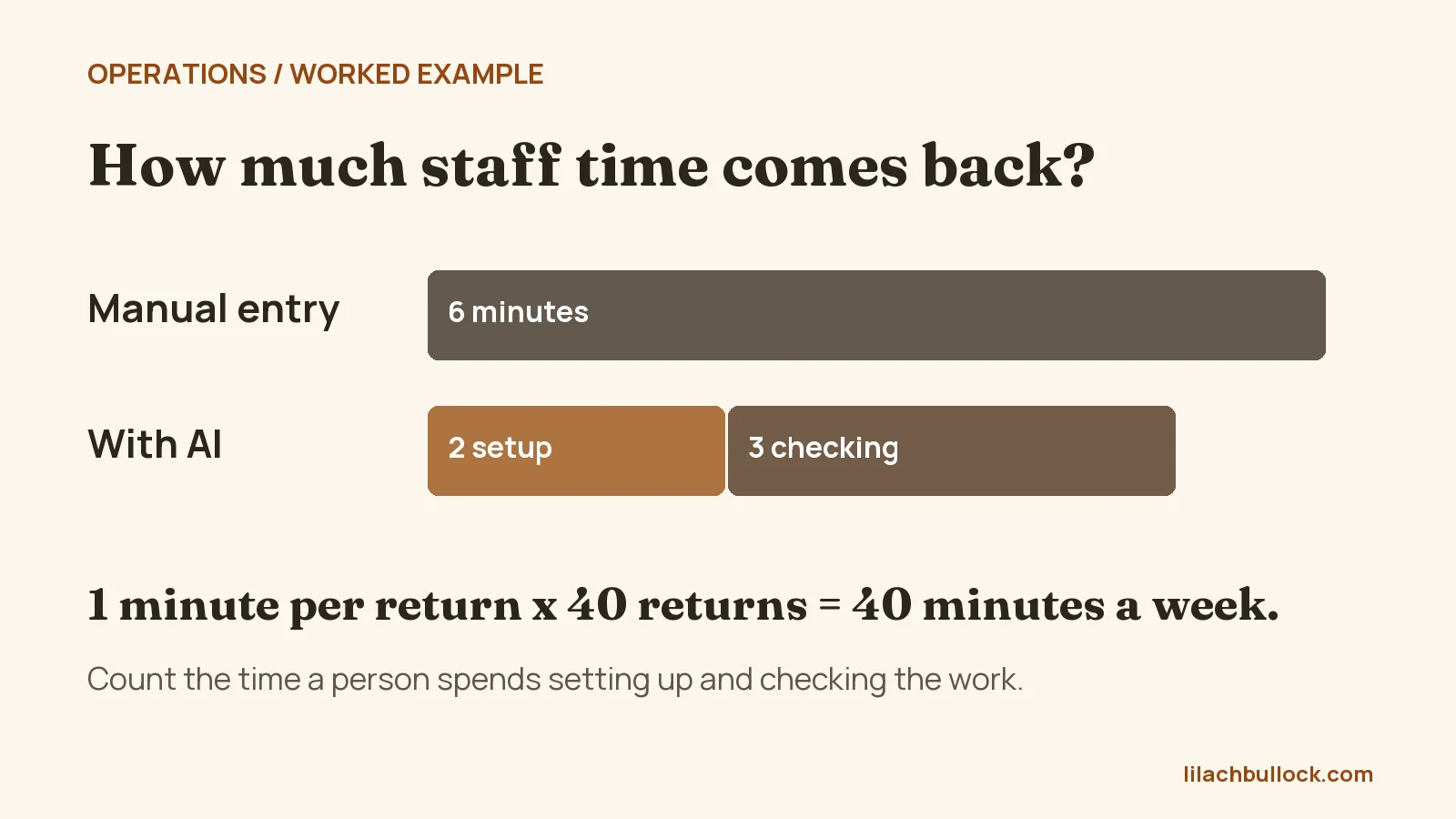
Use it this week. Suppose one return takes six minutes by hand. If setting up the assistant takes two and checking its work takes three, you get one minute back. Forty returns a week gives you 40 minutes. Start with a completed return and stop before issuing money. Use my AI savings calculator with your own volume. If the queue still grows, compare hiring with automation.
18. Twilio updates the technology behind AI phone agents
17 November. Twilio announced smart turn detection and automatic speech-to-text failover for general availability this month. Its ElevenLabs conversational voice was already generally available. These are changes for providers building phone services on Twilio.
What it means for your business. If customers pause to find an order number, a fixed silence timer can decide they've finished and interrupt them. For the owner buying a phone service, the question is whether a caller can complete a booking change without ringing twice.
Want AI doing the heavy lifting in your marketing?
I build the systems that handle the boring 80 percent, so you get your week back. Done properly, with the human kept in.
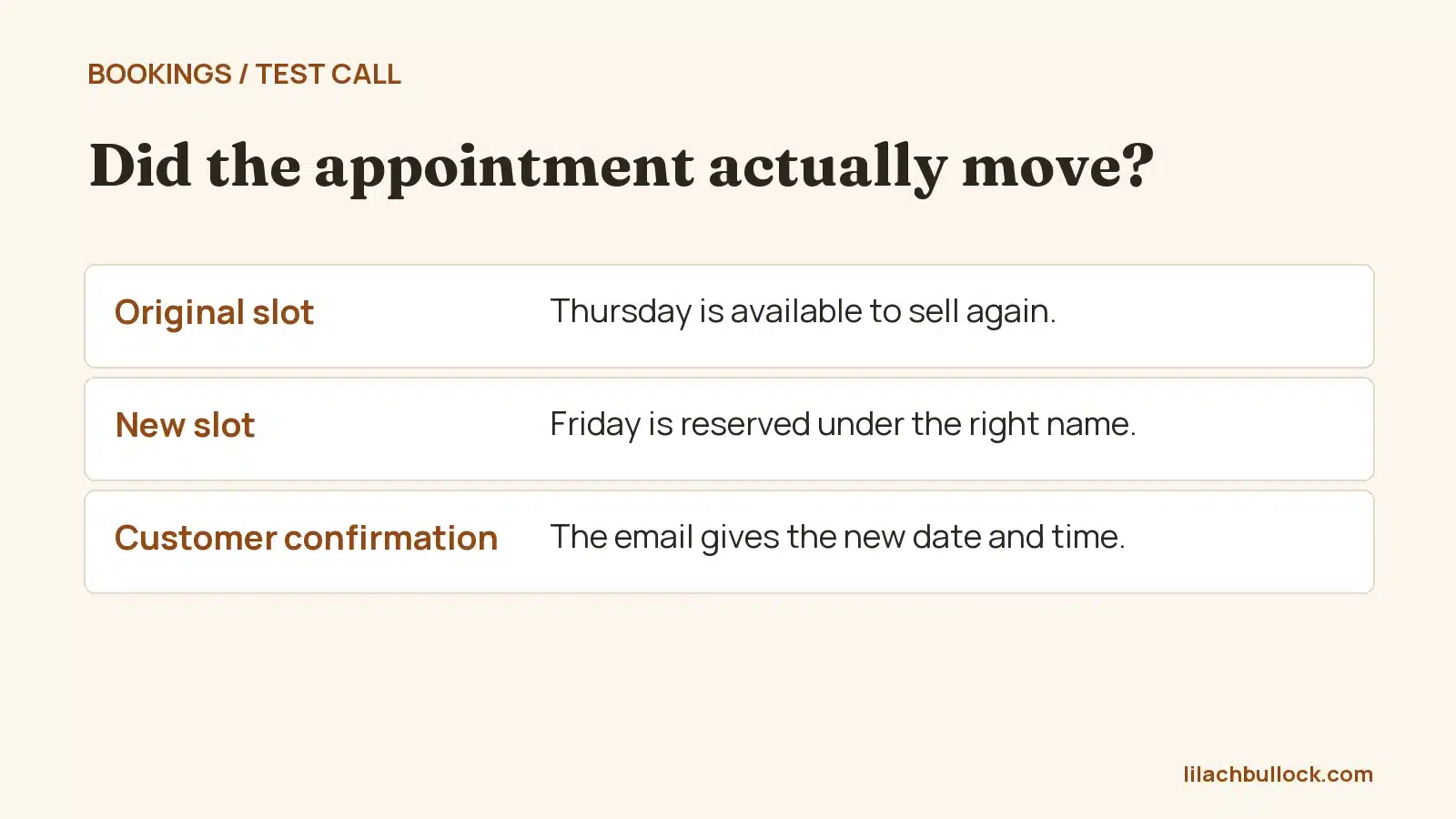
Use it this week. Ask a supplier to move a booking. Pause halfway through the postcode, then say 'Thursday, sorry, Friday.' Check the diary, the confirmation and the slot you can now sell on Thursday. Run the same AI receptionist test with another supplier before comparing monthly receptionist costs. Last week's ElevenLabs coverage is the companion story for businesses handling repeat callers.
19. GoDaddy Airo adds templates and explains what a site rebuild carries over
17 November. GoDaddy's latest Airo Builder update adds site templates and a route to building a new project from an existing public site. Store catalogues, admin settings and integrations don't automatically migrate. You can preview before publishing on a paid plan.
What it means for your business. For a salon or groomer, a new site that looks like the old one may still have lost the system that fills the diary. The booking button is the easy part. The deposit and reservation are the business.
Use it this week. Try the fiddliest booking in a test setup. Two dogs, one slot, one deposit. Look for both dogs in the business calendar and a matching payment record alongside the customer confirmation. Keep the current site taking bookings while you check. Use the website migration checklist for URL changes and the ecommerce checklist for the order journey.
20. OpenAI rolls ChatGPT Space out to Plus subscribers
20 November. OpenAI began rolling out Space globally to Plus users aged 18 and over. It lets people build and collaborate on pages and presentations. Viewers need permission and a signed-in Plus, Pro, Business or Enterprise account with Space access. At launch, free users couldn't open shared pages and public links weren't available. OpenAI's release notes
What it means for your business. A live presentation suits the people building a pitch. It can be a poor choice for the buyer who needs to forward the quote to a finance director you've never met. Six months later you'll both want the price as it stood on the day they accepted.
Use it this week. Use Space for the internal review. Have a colleague open the invitation from their own account. Send a dated copy in the format the buyer can open and forward. The 18 October digest covered ChatGPT Slides. Space adds collaboration, with an access condition worth knowing before the meeting.
Buyer's guide: GPT-6.2 Astra vs Sol vs Claude Fable 5.2
A model is the part that reads the material and produces the answer. ChatGPT and Claude are the places you work with it. The distinction matters. Buying access to a cleverer model won't give it the deposit receipt in your bookkeeper's inbox. A cheaper model with the right receipt has a very good chance of being more useful.
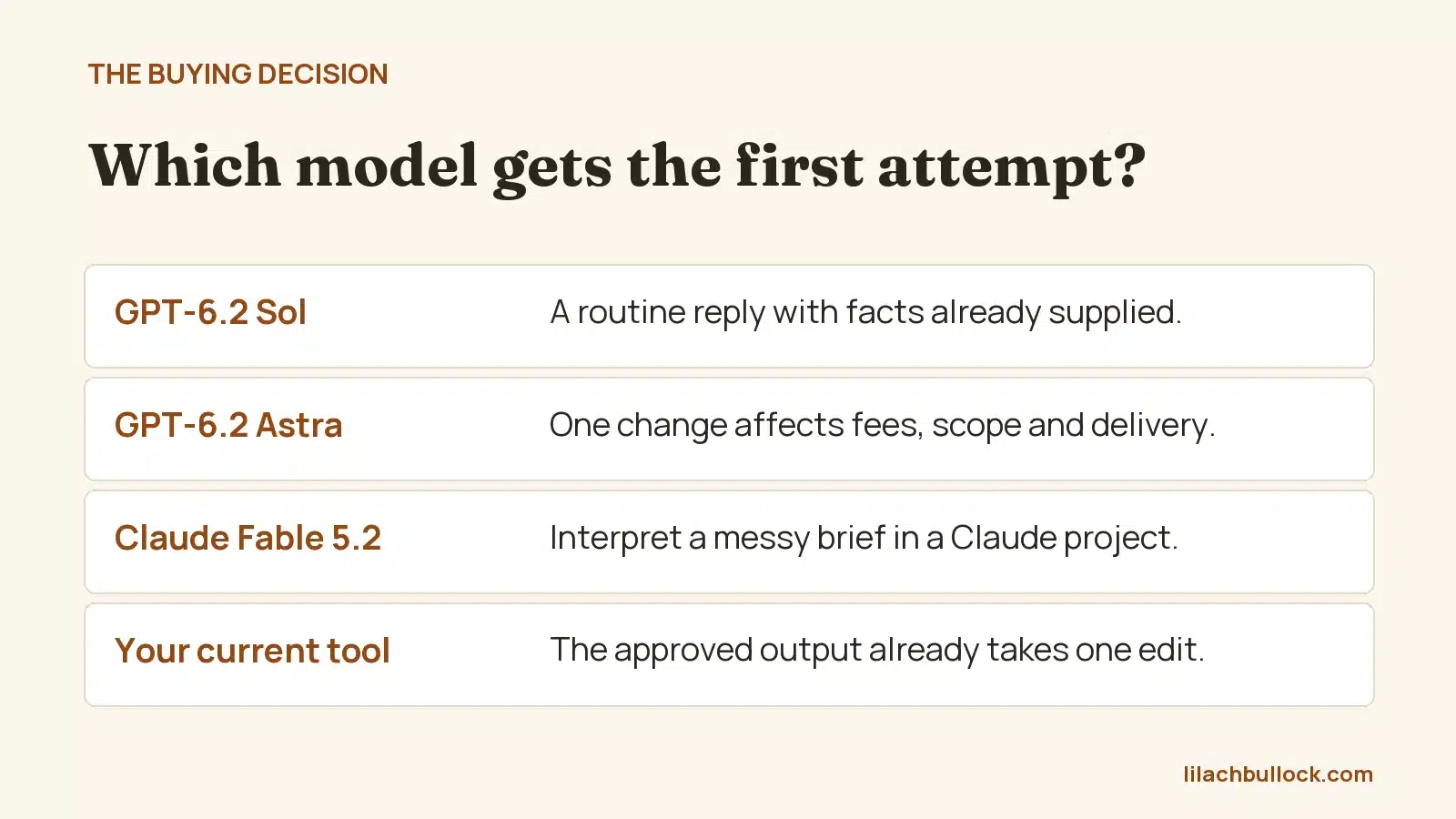
Choose Sol for a job you could explain to a new employee in a minute. You have the facts, you know the format, and a mistake is easy to spot. Turn the approved delivery policy into an email. Put six product descriptions into the same house style. Extract names, quantities and dates from a supplier's price list. OpenAI launched GPT-6.2 Sol on 17 November as its everyday option. If you used 6.1 Sol for this work, I'd start with the same instructions and compare how much editing the new answer needs.
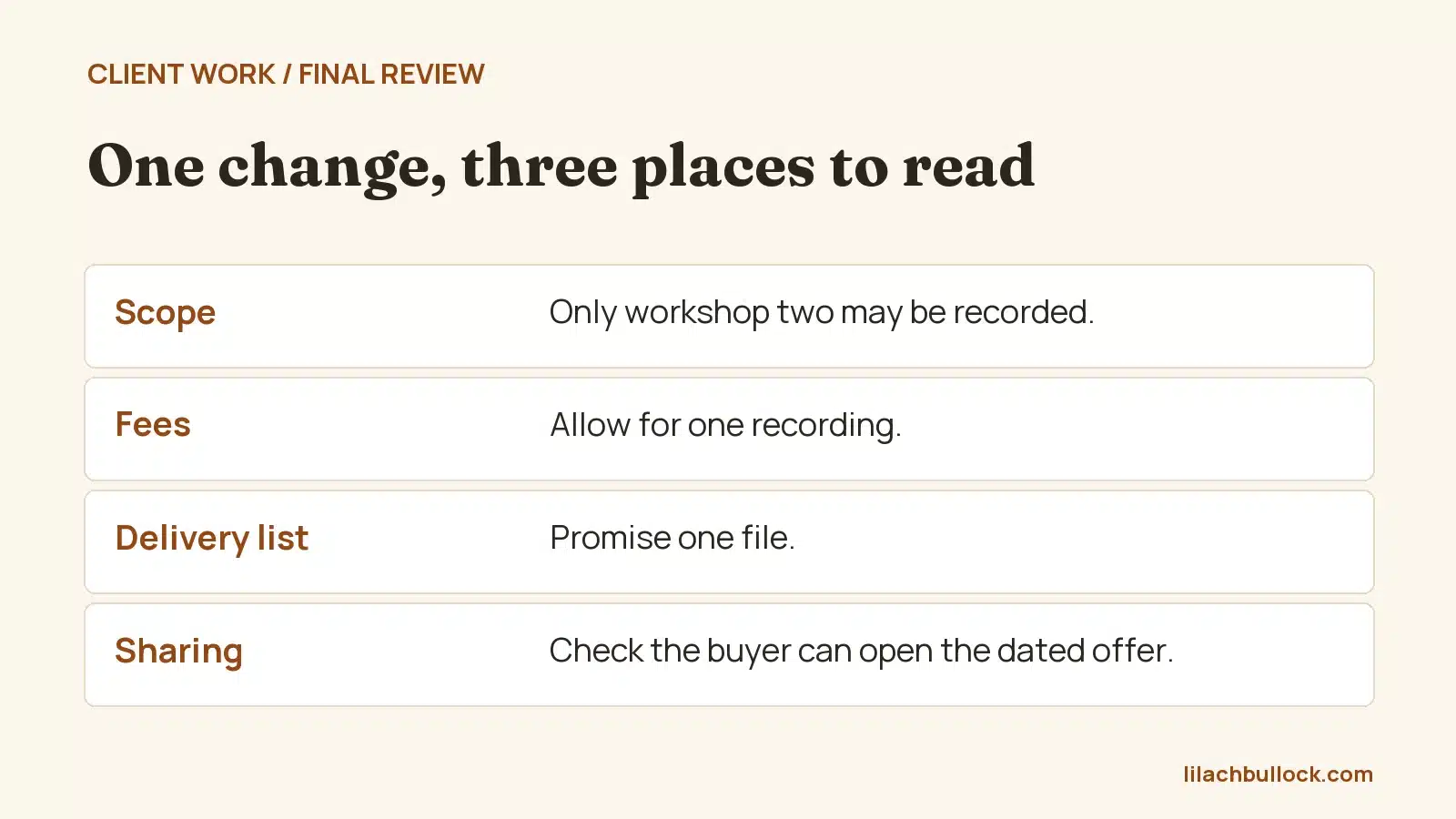
Choose Astra when changing one thing changes several others. A training company has agreed to run two workshops. Now the buyer wants the second one online, recorded and available for 30 days. That affects travel, equipment, the fee table, delivery dates and what the buyer is allowed to do with the recording. I'd give Astra the original brief, the buyer's amendment and the existing proposal template, and ask it to return the revised proposal and a list of everything it changed. You can check five named changes faster than rereading twelve pages hoping to spot the sixth.
Choose Claude Fable 5.2 when the hard part is deciding what the brief means, especially if the project already lives in Claude. Imagine an agency handed 15 customer interviews and asked why people didn't renew. Three mention price. Read the surrounding sentences and one of those customers wanted a smaller package, another lost their budget and the third never got the promised onboarding. I'd try Fable on the question "Which of these customers might we win back, and what did they say that makes you think so?" Anthropic reports strong results on ambiguous, data-heavy work. That makes it a sensible candidate for this job. It doesn't establish that it writes better copy for your customers. Anthropic's Fable 5.2 release
Already happy with Claude? Stay there for a routine job. If the project history, approved wording and useful corrections are in Claude, recreating them elsewhere is work you have to count. I'd move one task to Astra if Fable regularly misses a dependency, or if an editable spreadsheet or proposal in your exact template is where you spend the afternoon fixing things. Here's my broader Claude and ChatGPT comparison if you're choosing one subscription for the team.
What do the new model scores mean for a business owner?
OpenAI reports that on Agents' Last Exam, a test of multistep professional work, 6.2 Astra scored 5.2 points above the previous GPT-6 Astra and 5.5 above Fable 5.2. Its reported cost on that test was 5% of Fable's. Nine Fable tasks that used a fallback model were excluded from its leaderboard result. Those are benchmark costs under test conditions. Your monthly bill depends on the product, plan and usage. I wouldn't cancel a subscription over that chart. OpenAI's results and comparison notes
There's a more useful difference in OpenAI's worked example. It gave old and new Astra the same financial modelling assignment. Both built a workbook. The new version put the revenue mix and valuation calculation next to the table where the reader needed them. The older one made the reader change tabs. That's the kind of improvement I'd pay attention to: can the person approving my figures see how I got there without ringing me?
A fifteen-minute model test with an answer you already know
Use an old quote you've finished. Take out customer details. Give each model the same blank template and the same change request in a fresh conversation. Save the accepted quote out of sight. A convenient example is two half-day workshops at $600 each, plus $100 travel for each visit. The second workshop moves online. The client agrees to pay $80 for its recording. Assume no tax or other charges for this exercise.
The prompt: "Revise the quote. Show the original total, the changes and the new total. Carry those changes through the scope, travel and deliverables. Quote the sentence that authorises each extra charge. If there isn't one, flag it."
Your answer key: the original total is $1,400. Remove one $100 trip and add the agreed $80 recording. The new quote is $1,380. There should be one trip, one recording and two workshops. A model can get the money right and still promise to record both sessions. That draft goes back for correction.
First, try Sol. If all four details are right and the result fits your template, you've finished. Try Astra on the job Sol couldn't finish cleanly. Try Fable if the sticking point is interpretation, or if that's where you normally keep the project. Hide the model names when you compare the drafts. Write down what you had to fix and the minutes it took to get each one ready to send. Those are your results. The workshops above are a worked example, not three live model runs.
Where to find them and when another subscription is worth it
OpenAI's launch lists 6.2 Astra and Sol in ChatGPT Work and Codex for Plus, Pro, Enterprise and Edu, with workspace enablement where required. Look in Work for a business document. There's no need to start writing software to try a quote. If you're buying for a team, check that the exact model appears in the workspace where the documents live before changing the plan. OpenAI's launch and availability details
Fable 5.2 arrived on 9 November. The temporary inclusion for Claude Pro and standard Team seats ended on 16 November at 11:59pm Pacific. For those seats Fable goes back to usage credits if enabled. A test you ran last week can have a different cost this week. Check the model picker and usage settings first. If your current model already produces an email you can send with one edit, there's no commercial reason to pay again to discover a second way of saying Friday. Claude's plan and usage terms
What would make me pay for the heavier model?
Suppose the person reviewing proposals costs the business $45 an hour. On ten proposals a month, saving twelve minutes of checking each time releases two hours, worth $90 at that rate. That's the most I'd count as a time benefit before subtracting additional usage costs and setup time. It only becomes cash saved if you're reducing a bill. Otherwise you've got two hours to put into selling or doing paid work, which may suit you very nicely.
Take a second look at what the model caught. Correcting a heading ten minutes sooner is handy. Catching the promise of an extra workshop before the buyer signs could be worth more than all ten time savings put together. Write that down separately. I'd rather pay for the tool that catches one unpriced day of work than the one that gives me the prettiest first page.
My buying rule: use the model you already have for straightforward work. Move a repeatable, costly job to the stronger model when it survives the answer-key test and the numbers make sense. When the job is rare, try it once on an eligible plan before making it part of the team's monthly spend.
How to use ChatGPT for invoicing, from the quote to the final balance
Start with a copy of one finished job
Open ChatGPT's desktop app for Mac or Windows, choose your workspace, go to the plugin directory, search for Accounting and install it if it's available. OpenAI says the plugin is free to install. Model and tool usage depend on your plan. Business members can install it directly. On Enterprise an admin approves it first. Follow the computer-use setup if the app prompts you. A model upgrade and an accounting connection are separate decisions. OpenAI's setup instructions
For the first attempt, use copies of documents you have permission to use. You can upload files or connect a supported app such as QuickBooks Online, FreshBooks or Xero. Look at the individual connection's supported actions. Reading an invoice and entering one are separate permissions. If you're only deciding whether this saves time, an exported quote, receipt and email are enough.
Walk through a $1,200 invoice from the first email to the final balance
Here is a practice job you can copy exactly. It's fictional. The point of giving you the answer up front is that you can spot the costly mistake without trying it on a customer.
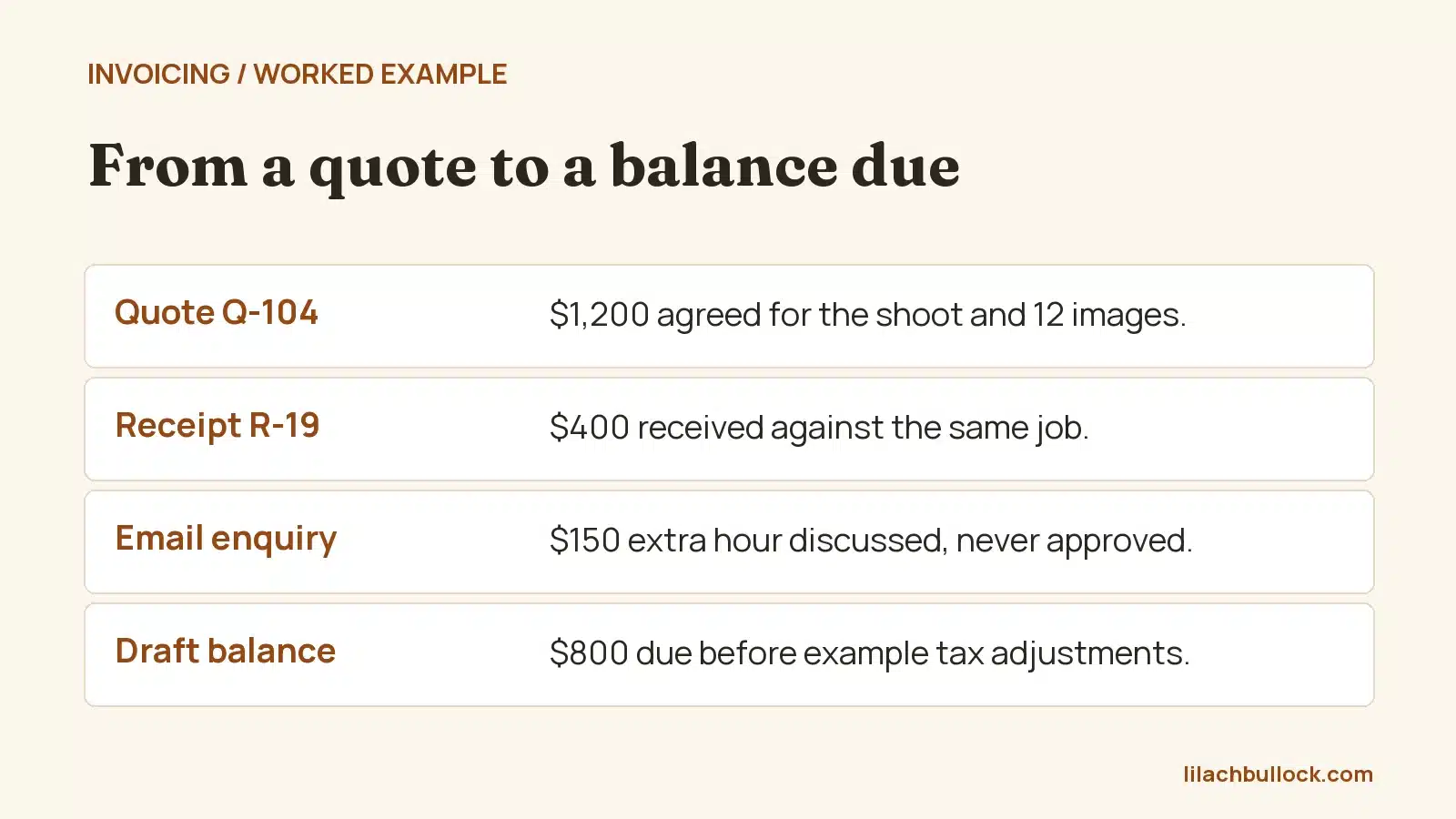
Record A, accepted quote Q-104. Product photography, one half-day shoot and 12 edited images. Agreed fee $1,200. A $400 booking deposit comes off the final bill. All amounts are USD. Leave tax outside this example.
Record B, deposit receipt R-19. $400 received for Q-104. If you use your own records, include the payment reference and date. A bank deposit that covers several jobs needs allocating before you can use it as evidence for this one.
Record C, customer email. "How much would another hour cost?" The photographer replied "$150 if you'd like to add it." The customer never confirmed it.
Record D, delivery note. The half-day shoot is complete and all 12 images were delivered. No additional hour is recorded.
Paste this instruction with the four records: "Prepare a draft final invoice for Q-104. Show the agreed fee, payments already received and remaining balance in USD. Give the source record beside every figure. Put enquiries and unapproved extras below the draft. Leave invoice number, tax and due date for the accounting system. Stop after the draft."
What should come back?
Photography and 12 edited images: $1,200 from the accepted quote and delivery record. Deposit received: $400 from R-19. Remaining balance: $800. The $150 belongs in a note saying "extra hour discussed, no approval found". It doesn't belong in the total. No due date appears in the records, so the draft shouldn't invent one.
Now take R-19 out and run it again. The quote says a deposit is required. That alone doesn't prove the customer paid it. A useful answer asks you to confirm the payment before finalising the balance. This second run tells you more than the easy sum: will the tool speak up when a document is missing?
How to use the draft on a paying job
Open the customer's account in your invoicing software. Check the legal customer name, job or purchase-order reference and currency. Look for an existing invoice for the same work. Follow the deposit through to the actual payment record. Check how your system already applied it. If the deposit is sitting as a credit on the account, deducting it manually and applying the credit would leave this customer showing $400 due instead of $800.
Use your normal tax treatment, payment terms, invoice numbering and approval process in the accounting system. Compare its final amount due with the reviewed draft. If the app says an entry failed halfway through, look in the customer account before trying again. That's how you avoid turning one slow invoice into two remarkably prompt ones. OpenAI's review and duplicate-entry guidance
Would I keep using it? Take five finished jobs: a plain one, a deposit, an approved extra, a partial delivery and one with a missing receipt. Time each from opening the records to having an invoice you would send. Include the time spent checking. If it saves eight minutes on six similar jobs a week, that's 48 minutes you get back. If it saves a minute and introduces one wrong charge, keep your existing process. For a bigger queue, compare dedicated invoice processing software or use an invoice template that makes the amount due clear.
If you have an hour this week
Selling Black Friday stock? Pick the offer getting the biggest promotion. Buy it on your phone up to the payment screen. Work out what remains after stock, delivery, fees and advertising. Give the person running the campaign the maximum acquisition cost you can afford.
Selling time? Take the last job with a deposit. Try the invoice walkthrough with the amount due hidden. Time the whole job, including checking. If the answer takes just as long to verify as the invoice took to prepare, your existing process has earned its place.
Selling appointments? Move one booking, check the calendar and read the confirmation as a customer. A Thursday slot you can sell again is a more useful outcome than a very natural-sounding phone call.
Frequently asked questions about this week's AI news
Should I use GPT-6.2 Astra or Sol for everyday business emails?
Start with Sol if you already know the facts and simply want a clear reply. Give Astra the email thread when a change to a price, delivery date or scope affects several other documents. Ask it to identify those changes before drafting the reply.
Should I switch from Claude Fable 5.2 to Astra?
Try Astra first on a finished proposal or workbook where linked details and template fidelity matter. Keep Fable in the running for ambiguous research or a project whose approved context already lives in Claude. Compare usable output, editing time and your actual plan cost on the same job.
Do I need to connect my bank or buy a new model to try AI invoicing?
You can test preparation with authorised file copies or the fictional records above. Check that Accounting is available in your workspace. A bank connection isn't needed to compare a quote with a supplied deposit receipt. Live balances and entering records require the right app connection and permissions.
Can ChatGPT change my Xero ledger during a month-end review?
Xero describes the US integration as a way to review live figures and investigate changes. Its guidance sends you back to Xero to act on the findings. That keeps the entry and its history together for the bookkeeper.
What return on ad spend breaks even on a $60 product?
With $20 left per order before advertising, break-even revenue is three times the ad spend, assuming additional orders and no refunds. A $300 campaign needs $900 in sales under those conditions. Change the product margin and the answer changes too.
Which update can I try without paying for another AI seat?
Temporary threads in Google AI Mode are a good place to try the customer search. Gemini Notebook's site builder is also rolling out on the web to eligible adults with personal Google accounts. For either one, a specific question from somebody who buys from you is a better starting point than a blank screen.
Can a client on free ChatGPT open my Space presentation?
No. Under the 20 November rollout, the recipient needs permission and a signed-in Plus, Pro, Business or Enterprise account with Space access. There was no public link at launch. If the buyer needs to forward your quote to finance, send a dated PDF as well.
If a ChatGPT ad gets credit for an order, did it bring me a new customer?
Those are two different measurements. HighLevel can credit a website purchase within 30 days of an ad click. Match the order to your customer records to see whether it was their first purchase. Even a first purchase doesn't establish that the ad caused it. For a bigger budget decision, compare with a similar audience or period where the ad didn't run.
Can Salesforce in Copilot move a deal without the rep approving it?
Supported changes written back to Salesforce require explicit confirmation and respect the rep's existing permissions. Before approving a new close date, look for the message where the buyer agreed to it. An internal target date and a date promised by a customer belong in different fields.
Will a temporary Google AI Mode search show exactly what my customers see?
It removes your account's past preferences from that thread. The wording and location still affect what comes back. Use a town and a constraint a buyer would mention, then save the answer before you close the thread. One missing collection time on your page is something you can fix even if the next search gives a different result.
Why can my colleague open a shared Gemini skill but still get an old answer?
Start with the source. Sharing the skill doesn't give your colleague access to every Drive file it uses. From their account, open the linked turnaround sheet, check the current date or value and run the same enquiry again. That will help you tell a permissions problem from a skill pointing at an old copy.
Will rebuilding my site in GoDaddy Airo bring my bookings and payments with it?
Airo uses the public site as a reference for the new project. Catalogue data, admin settings and integrations don't automatically carry over. Before switching sites, test one awkward booking with a deposit. Look for the reservation in the business calendar and the matching payment record as well as the confirmation the customer receives.
Can I try Gemini's Mac computer use on my company's Google Workspace account?
Google's initial rollout specified a personal Google account for an adult with an AI Plus, Pro or Ultra plan. It also required English in the US and an Apple Silicon Mac on macOS 15 or later. A company Workspace subscription alone doesn't meet those launch conditions.
Catch up on the Weekly AI Digest
Start with 15 November: ChatGPT Business Hub, Fable 5.2 and Gemini in Gmail. For product photos and video, read 8 November: image editing and Gemini Omni. For files and spreadsheets, see 1 November: editable Gemini files and Sheets citations.
If you'd like next week's business AI news in your inbox, join my Sunday newsletter.