


If you believe that SEO is a one-time done and dusted process, you’re mistaken. Here’s the one thing that’s constant in the World of SEO – change. And, if you want your site to stay on top of the SERPs, then you’ll need to keep yourself in the loop of all the ranking SEO factors you need to know in 2019.
Smart algorithms power the search engines of today. They keep on changing and adapting so that they provide users with the best search results. The secret behind Google’s algorithm is that it uses over 200 ranking factors to determine the results.
That sounds like a lot of ranking factors! How do you optimize your content for them all? Luckily for you, here we’ve rounded up some of the top SEO ranking factors for 2019 that will give you impressive results.
6 Ranking SEO Factors You Need to Know in 2019
1. RankBrain and UX Signals
User experience signals were all the rage in 2018, and we expect them to be even more important in the coming year. Even Google strategists have openly announced that RankBrain is the third most important ranking factor for SEO, following links and content.
But the big question is - What is RankBrain? And, how can you optimize your site for it?
Simply put, RankBrain is an AI-based algorithm that Google uses to sort their search results. It measures how users react to search results and then arranges future searches accordingly.
For instance, if you’re searching for the “best roast turkey recipe,” the recipe from The Food Network looks interesting, and you might click on it. You head to the page and read everything there. RankBrain notes this and is most likely to boost that result in page rankings.
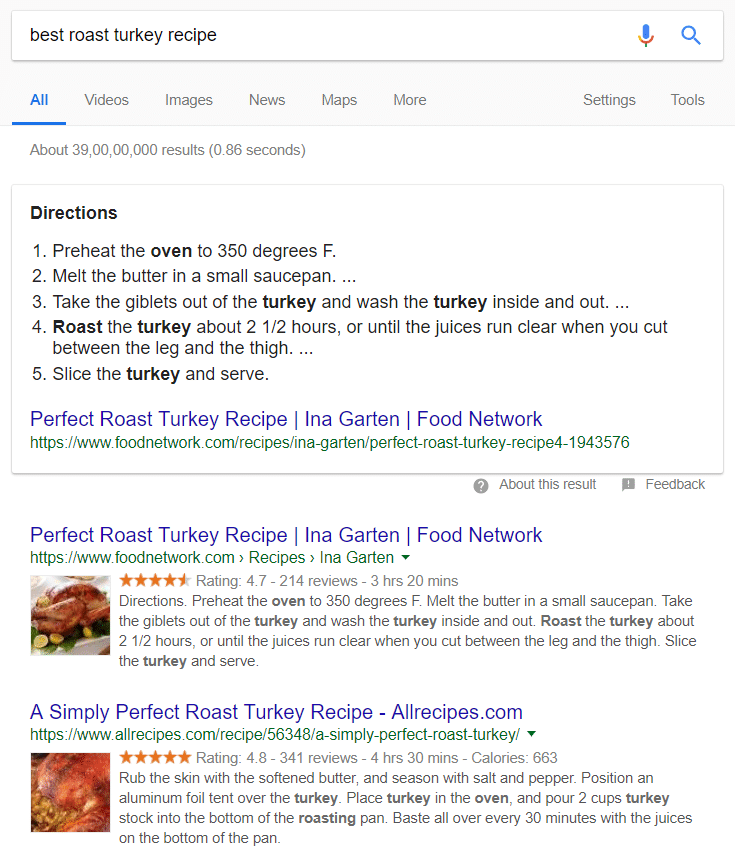
Image Via Google
On the other hand, let’s assume you click on the first result. But, when you look at that page, it’s boring and doesn’t have proper instructions for how to cook your turkey. You hit the back button within a few seconds.
You can be sure that RankBrain is also monitoring this, and if several people do the same thing, then you can be sure that the site on Rank #1 will be booted from that coveted spot.
Simply put, RankBrain uses these two SEO ranking factors:
- Dwell Time – How long a person spends time on a page
- CTR (Click-Through Rate) – The number of people who click on the result
2. Click Through Rate (CTR)
If you want to stay on top of your SEO game in 2019, then you need to start working on your CTR. As mentioned above, CTR plays an important role in boosting your RankBrain ratings. Apart from that, your CTR has to deal with competition from three different avenues: PPC Ads, Carousels, and the Featured Snippet.
PPC Ads
Relevant paid ads are now popping on top of search results. In fact, the real estate for paid ads has steadily increased over the years. As you can see, for some results, paid ads now occupy the entire first half of Google's search results.
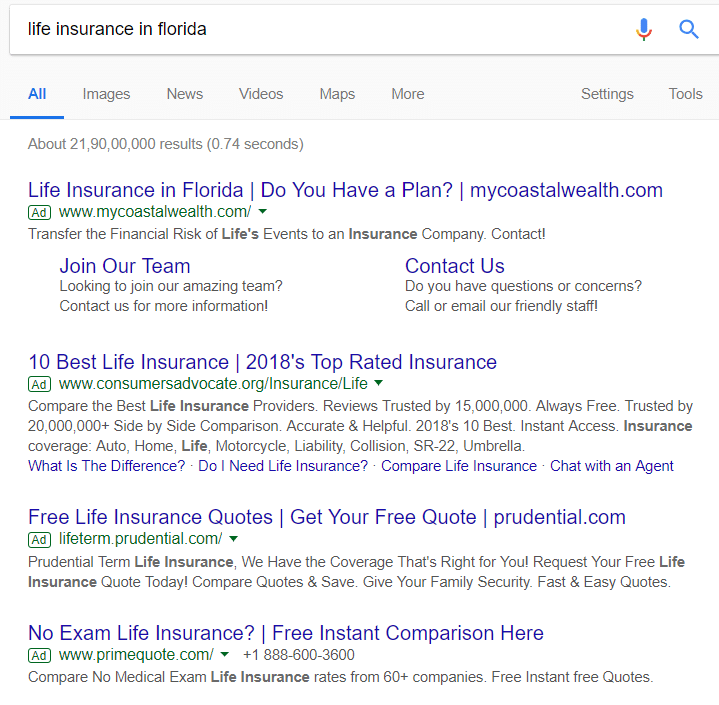
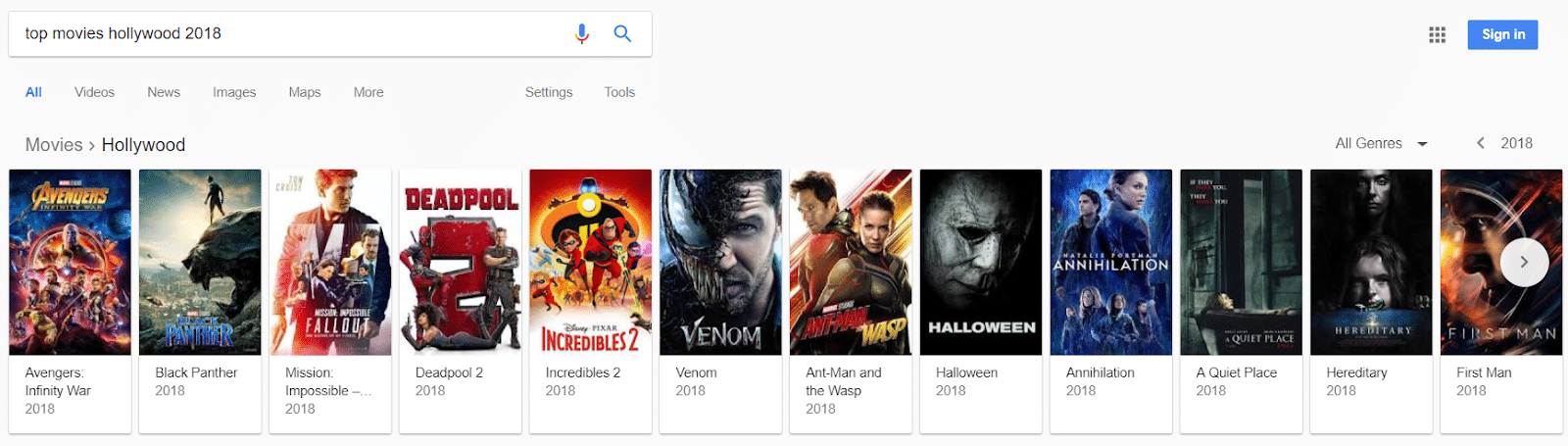
Carousels Ads
These are standard product listing ads you often see just below the search bar. You can swipe through these and see more options. Here’s what you’ll see when you search for “top movies hollywood 2018.”
The Featured Snippet
When people see a snippet highlighted, then the chances are that they are going to click on it and ignore the other results at the bottom.
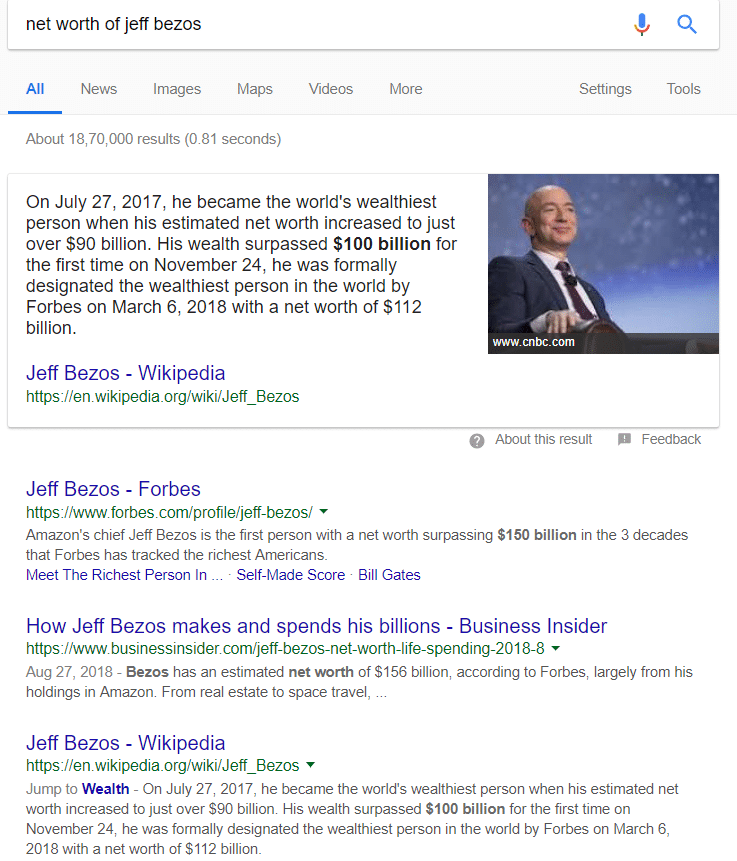
According to a study by SparkToro, the organic click-through rates have been steadily dropping in the last few years. The desktop organic CTR is at 65.72% in 2018 compared to 71.57% in 2015. Mobile is worse. The organic CTR on mobile is down to 38.97% in 2018 to 66.59% in 2015.
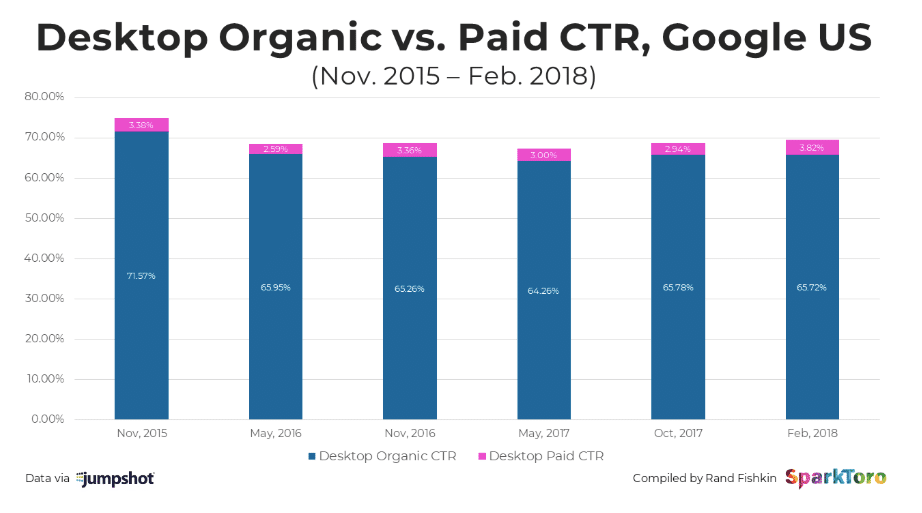
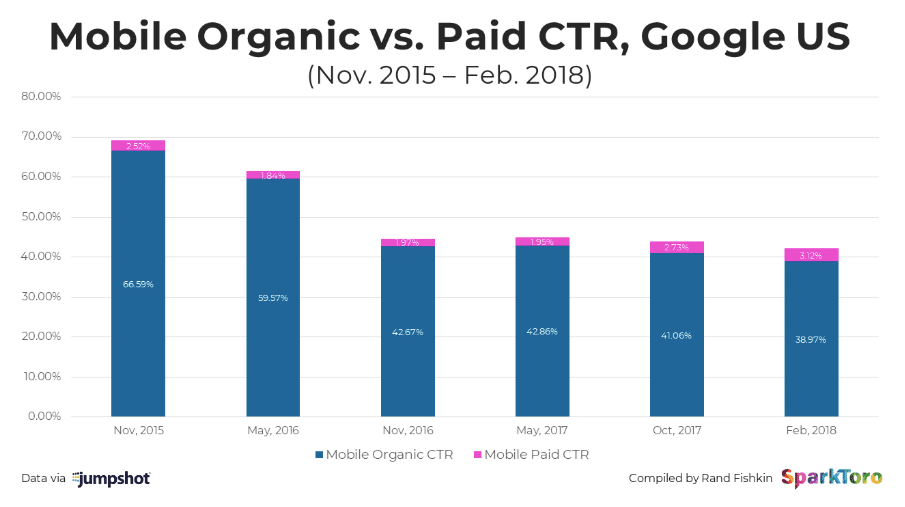
The dropping organic CTR isn’t all that surprising. Google is crowding the organic search results with ads, carousels, answer boxes, “People also ask for” sections, snippets and more.
To stand out in the SERP rankings for 2019, you need to work on improving your CTR. Your result must have that unique pull that entices people to click on it, or else you can be sure that you’ll drop down further.
3. Incorporate Videos
We shouldn’t need to reiterate the fact that video is trending like never before. According to a forecast by Cisco, it’s estimated that video will make up nearly 82% of all online traffic by the year 2021. If you aren’t incorporating video into your SEO strategy for 2019, then it means that you’ll lose out big time.
Here are the top two ways to up your video content game in 2019:
1. Use YouTube
Did you know that YouTube is currently the world’s second biggest search engine and it’s 2x more popular than Microsoft’s Bing?
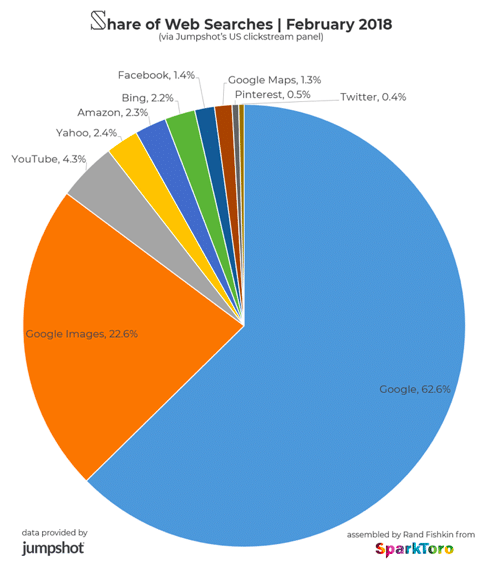
Another report by The Huffington Post stated that the amount of time people spend on YouTube has increased dramatically (a 60% increase) compared to last year.
What do these numbers and figures indicate?
YouTube is silently emerging as an alternative search engine. And, if you want to pull in more traffic in 2019, then you cannot afford to ignore YouTube.
By adding videos to the mix, you can get more real estate on Google. For example, consider the search results for “How to set up a Christmas tree?” It contains links to related YouTube videos.
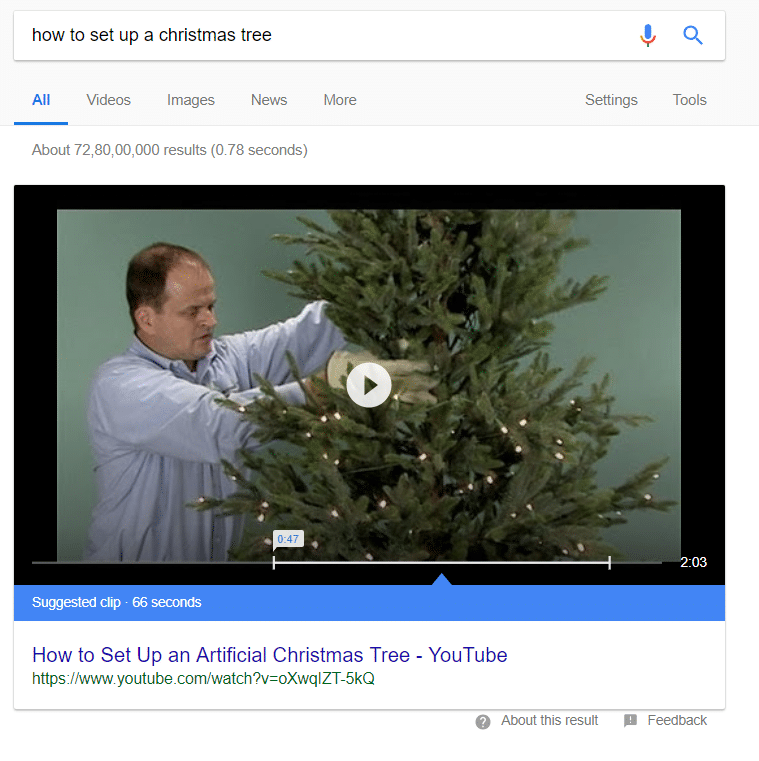
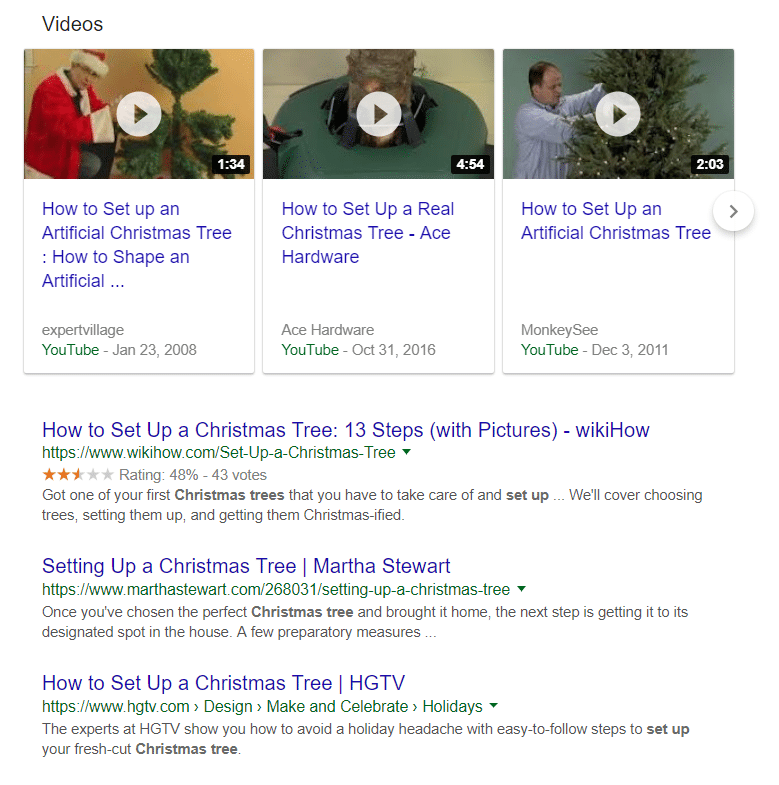
And, since Google owns YouTube, you can expect more results from YouTube in the Google search result page.
2. Add Videos to Your Blog Posts
People like watching videos. In fact, 54% of consumers would like to see more videos from businesses and marketers.
If people love watching videos, then isn’t it time that you give them that? Try to add videos to your blog posts. This has another added benefit – it increases the dwell time on your page, thereby boosting your RankBrain signals.
4. Voice Search Optimization
2018 was the year when popular AI devices like Google Home and Amazon Alexa exploded in popularity. Here are some numbers that prove this statement:
- Nearly a quarter of all US households own a smart speaker, and 40% of these have more than one device. (Source)
- 20% of all searches on mobile are voice. (Source)
- The number of voice searches done on Google has increased a whopping 35X since 2008. (Source)
Here’s a quick tip to optimize your content for voice search. Most voice search phrases are in the form of queries, like “how to do pull-ups the right way?”
Aim for content that provides answers to questions relevant in your niche. This is why FAQ pages work great for voice search.
5. Featured Snippets
According to a recent study by Ahrefs, 12.29% of search results now display a featured snippet. Yes, featured snippets are now pulling in a lot of clicks that usually go to the first few results on Google.
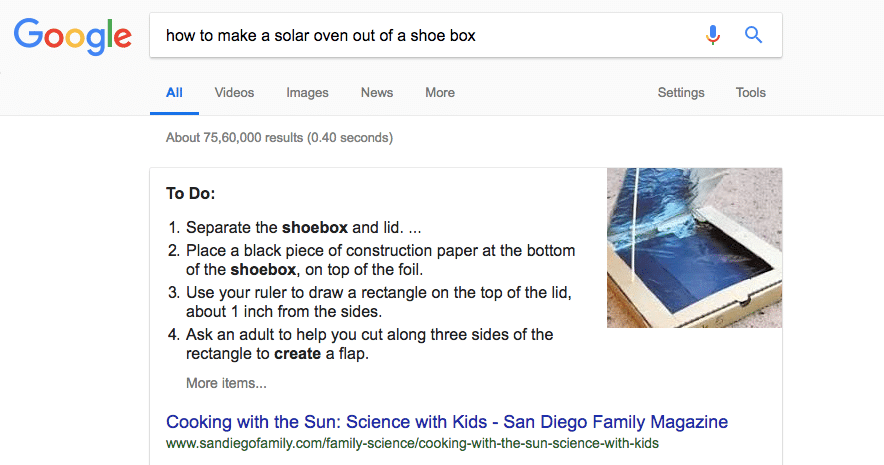
In 2019, if you want your content to appear, on the coveted first page of Google, then you’ll have to optimize it for this new feature.
Here’s a Quick Guide to Help You Out:
1. Find Snippet Opportunities in Your Niche
Here’s how to do it. Look for keywords that you already rank for. If you’re wondering why you should focus on keywords that you rank for, here’s the reason – 99.58% of all snippet results come from web pages that rank on the first page of Google for that search phrase.
Sadly, if you don’t rank on the first page for any keyword, then chances are that your content will not make it to the Featured Snippets section.
2. Create “Snippet Bait”
Simply put, this is content that is specifically created to feature in the Snippet spot of Google results. It’s usually a 40 - 60-word block.
Want AI doing the heavy lifting in your marketing?
I build the systems that handle the boring 80 percent, so you get your week back. Done properly, with the human kept in.
Take a look at this example. Here, HubSpot has created the perfect Snippet Bait that actually looks like the Featured Snippets on Google results.
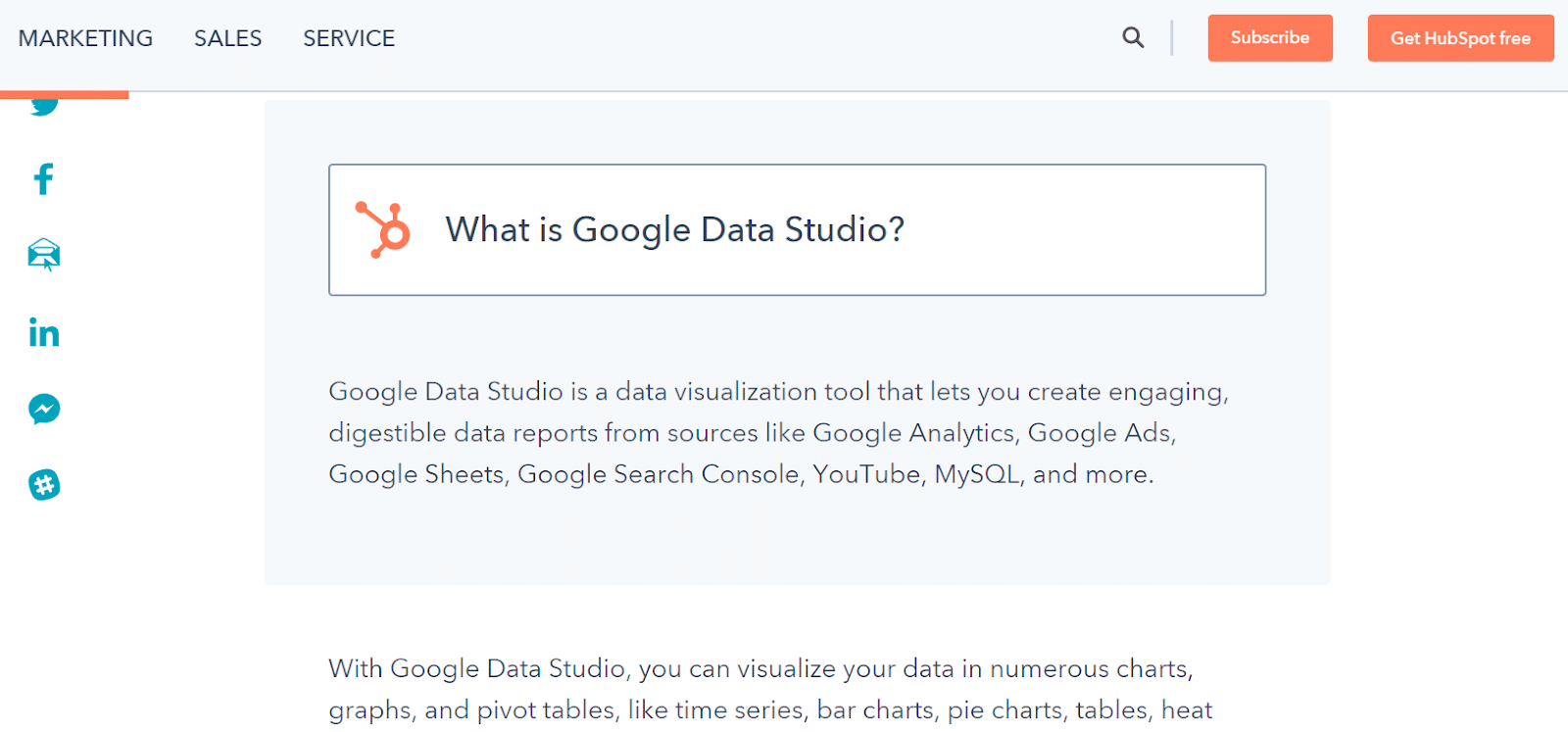
Image via HubSpot
Featured snippets are going to be a big deal in 2019. Work to optimize your content for all types of featured snippets like question snippets, list snippets, and more.
6. Authoritative Content
Back in the early days of Google, the search engine would look at a page’s HTML code to find the number of times a particular keyword has been used. Google’s web crawlers used to look for keywords in the:
- URL
- Title Tag
- H1 Tag
- Description Tag
- Image ALT Text
- And more
Even though Google still looks at these, they are no longer as relevant. In fact, today’s Google is far smarter than what it used to be. Google wants to show users the “best content.”
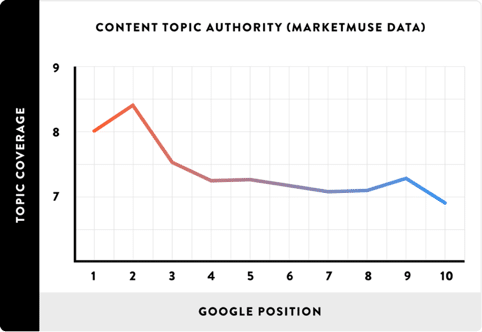
And, very often, the best content isn’t the content that is stuffed with keywords. Instead, the best content is the one that provides a user with in-depth and comprehensive coverage about a particular topic. Google wants to provide the user with all they want in a single page.
Images via Backlinko
As you can see from this graph, contents that provide in-depth coverage of a topic rank higher on Google. Backlinko analyzed over 1 million Google search results for this study.
Coming to the pressing question,
How Can You Write In-Depth, Comprehensive Authoritative Content?
- Aim for at least 2000 words. This way, you can cover everything about the search phrase.
- Create content with authoritative research.
- Aim to write evergreen content that can be shared over and over again.
- Add LSI keywords to your content. This is because LSI keywords tell Google that you have not just covered the topic but related subjects as well.
- Finally, aim for content that provides value to the reader.
Know This For Sure
While no one can predict with certainty the factors Google uses to rank web pages, we’re pretty sure that you cannot go wrong with optimizing the 6 hot SEO factors listed in this guide.
Simply put, you cannot afford to ignore any of these factors – RankBrain and UX, video, CTR, voice search, Featured Snippets, and authoritative content – if you want to improve your Google SERP rankings in the coming year.
Use this guide to formulate your SEO strategy for 2019. If you have any queries about any of these factors, let us know in the comments below.
About the author:

Gaurav Sharma is the Founder of Attrock, a digital marketing company. He works closely with top marketing influencers and has helped numerous brands, ecommerce firms, and SaaS companies grow.
He is also a certified Google Analytics and Google Adwords specialist and regularly contributes to reputable publications like HuffPost, TechCrunch, and many more.
Find him on:
Linkedin https://in.linkedin.com/in/gauravsharma11
Instagram https://www.instagram.com/gaurav_sha/
Twitter https://twitter.com/Gaurav_Sharma11
Facebook https://www.facebook.com/sharma.gaurav11
2026 Update: What Has Changed Since I First Wrote This
I wrote this post back in 2019 and, honestly, reading it back is a little like finding an old photograph. The fundamentals I covered then still hold water, but the SEO landscape in 2026 looks quite different in a few key areas, and I would be doing you a disservice if I let you read the original without flagging what has shifted. So here is my honest, up-to-date take before you scroll down.
The biggest change I have seen is how central AI Overviews and generative search results have become. Google's AI-generated answers now appear at the top of a significant chunk of searches, which means the old goal of ranking number one on the page is no longer the whole story. You need your content to be the kind of source that AI systems pull from and cite. That means clear, authoritative, well-structured writing with genuine first-hand expertise baked in. Thin content dressed up with keywords simply does not cut through anymore.
E-E-A-T has gone from a helpful acronym to something Google is visibly acting on. The extra "E" for Experience was added after I first published this post, and it matters more than most people realise. Search engines are looking for proof that a real person with real experience wrote what you published. That means author bios, first-person insight, original examples, and consistent topical authority across your site. I have been advising clients to treat their author profiles as a serious SEO asset, not an afterthought.
Voice and conversational search are no longer "emerging trends" to watch. They are simply part of how people search now, and your content structure needs to reflect that. Short, direct answers to specific questions, proper use of heading hierarchies, and FAQ-style sections all help your content show up in the right places. Tools like Surfer SEO and Clearscope have become genuinely useful for this kind of structural content planning, though I would not rely on any tool blindly.
Finally, page speed and Core Web Vitals are non-negotiable in 2026 in a way they simply were not when I first wrote this. If your site is slow on mobile, you are fighting with one hand tied behind your back regardless of how good your content is. Run regular audits, fix what is broken, and treat technical health as ongoing maintenance rather than a one-off project. Right, now go ahead and read the original post with all of that context in mind.
Free resource: The Google Maps Ranking Factors Cheat Sheet.
Worth reading alongside this: why not all traffic is created equal.
If you want AI assistants to recommend you, start with generative engine optimization and what it means for a small business. And if you'd like your answers picked up by AI tools, read my guide to answer engine optimization.
FAQ
What are the most important SEO ranking factors in 2026?
Content that shows real first hand experience, a site structure search engines can read, and pages that answer a specific question directly. The six factors in this post still hold, but AI Overviews and E-E-A-T now decide how much of a ranking turns into an actual visit.
Is RankBrain still a ranking factor?
Yes. RankBrain is the machine learning part of Google's system that interprets a query and reads how people react to the results it returns. You do not optimise for it directly. You win it by matching the intent behind the search and giving people a reason to stay on the page.
Does click through rate affect rankings?
Click through rate is a signal of how well your title and description match what the searcher wanted. A page that earns clicks at its position tends to hold that position, and a page that does not tends to slip. Writing the title for the query rather than for the page is the lever here.
How do you get into featured snippets and AI Overviews?
Answer one question in one short block near the top of the page, in plain language, then keep the heading hierarchy clean so the answer is easy to lift. An FAQ section does the same job. That structure is what both featured snippets and AI systems pull from.
You can also write for us about web design.
Related reading: How to Interpret Backlink Data in Google Search Console (And What It Won.
Related reading: What Generative AI Video Tools Are Worth Using for Small Business.
Related reading: How Often Do AI Crawlers Like GPTBot Re-Crawl A Website?.
Related reading: What Are Generative AI Video Tools and How Might They Help Your Business.
Related reading: AI Overviews Study 2026: Google Shows an AI Answer on 93% of Small Busin.

