Everything You Must Know About SEO Copywriting in 2019
By Lilach Bullock
If you are skim reading
I am sure every blogger has thought about how to create content that would meet people’s expectations and rank well in Google. This aim seems a bit vague and less achievable.
I am sure every blogger has thought about how to create content that would meet people’s expectations and rank well in Google. This aim seems a bit vague and less achievable. Nevertheless, it doesn’t mean that the bloggers don’t try to kill two birds with one stone in the context of producing content on their blogs. The content that rocks! However, it is yet pretty questionable how to master skills of SEO copywriting in 2019.
And I am going to reveal some of the pieces of advice regarding SEO copywriting in this post.
Let’s roll! SIDENOTE: if you want to know why 91% of content gets no organic traffic, you should watch this video:
Everything You Must Know About SEO Copywriting in 2019
What Is SEO Copywriting in 2019?
SEO copywriting could be considered a kind of art. And it is for a good reason. SEO copywriting implies creating high-quality content that would provide your target audience with valuable information and rank well in Google. As you know, if you want to rank high, you need to implement SEO strategies.
Hence, here we have a recipe of SEO copywriting: high-quality and unique content + content optimization = SEO copywriting!
If you skim through different posts on SEO copywriting, you will see some common suggestions that you should keep in mind. The things I am talking about are placing the keywords in your content according to the structure across the text firstly. Then experts recommend adding external and internal links within the content. And so on and so forth.
I do agree with all these suggestions but I want to draw your attention to slightly different aspects that are important for performing a successful SEO copywriting.
But let’s start with the very first step that you must take in this process.
The Idea for Your Content
I must admit that this very step is the hardest one. The reason for this is that it becomes more difficult to find the topic that would spark the interest of a target audience. Unfortunately, nobody cares that you are struggling to find this desirable topic because competition never sleeps.
Thus, you must push yourself to find the topic that would bring your content marketing strategy enormous success and boost your traffic.
The internet can offer you a bunch of tools that will help you figure out the top content ideas specifically. I personally work with two tools - BuzzSumo and Content Explorer.
BuzzSumo is a content marketing tool that works perfectly in identifying what topics trend across social media channels. Furthermore, you can evaluate your current topics and see if people are talking about the concrete topic you want to cover.
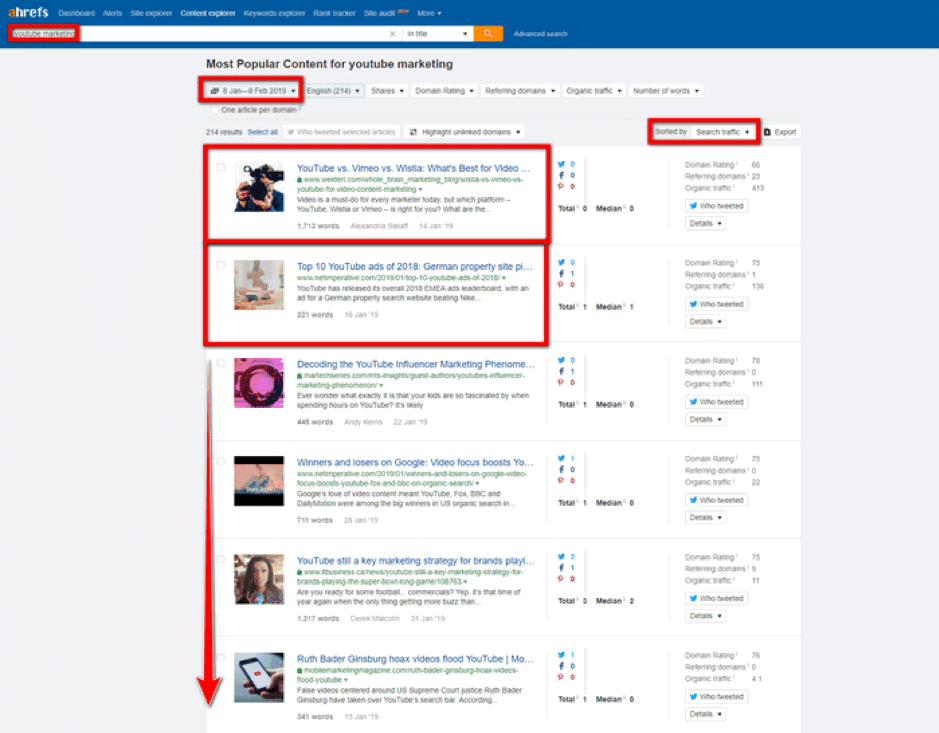
Since I like to double-check my observations, I move to Content Explorer eventually. For example, let’s see what topic suggestions I will get for “youtube marketing”:
I filtered the results by the number of search traffic content got during the past month. I already figured out two topics that I can use in my own content marketing strategy:
“YouTube vs. Vimeo vs. Wistia: What's Best for Video Content Marketing?” I can write a more in-depth post and change the title in some other way. The same happens to “Top 10 YouTube ads of 2018: German property site pips Nike and John Lewis”, and I can expand the list of ads that would hit the top in 2019.
I guess you got the point on how to find content ideas. Let’s move further then!
A Few Words About Keywords
I stated in the introduction that lots of experts never get tired of repeating that it is necessary to structure the keywords within the text. That’s true and I can’t help repeating it again by myself. Nevertheless, I would like to start by discussing the importance of targeting “informational” keywords.
“Informational” keywords are those keywords that provide some specific information. These keywords include such interrogative words as “why”, “when”, “where”, “how” and they always have informational intent. What’s more important, this type of keywords is not a commercial one.
It should be mentioned that Google doesn’t like keywords with a low search volume. Thus, targeting “informational” keywords will make sense for your SEO copywriting.
I can’t forget to mention another type of keywords - long-tails.
If you decide to find what experts say about long tail keywords across different forums, you will see that there is no common ground in terms of long tail keywords usability. You could be puzzled with that because some experts state that long tail keywords won’t be a good target for your keyword strategy. The other experts, on the contrary, advise targeting them.
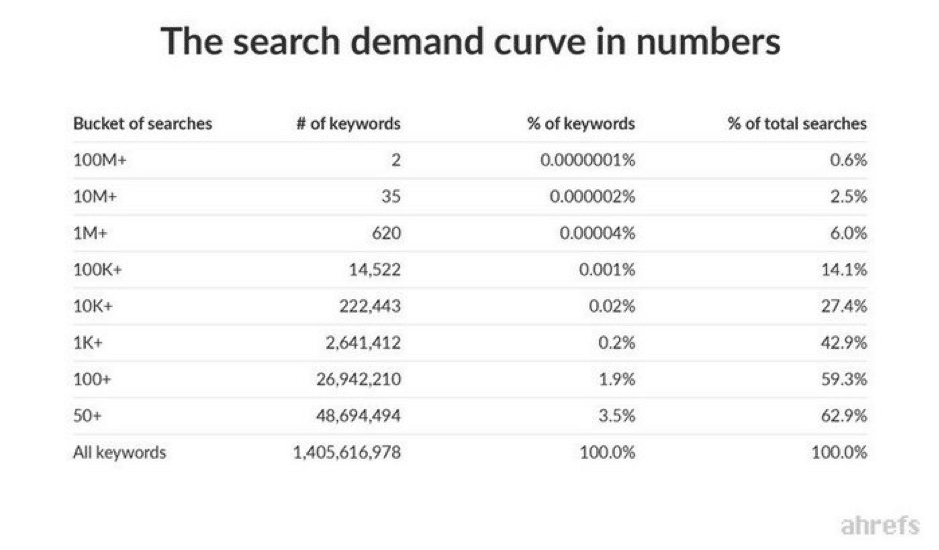
However, the truth is that long tail keywords have a low individual search volume. And despite the fact, 40% of search traffic belongs to this type of keywords.
Here is the search demand curve that proves this fact:
The chart illustrates that even though long tail keywords have a low individual search volume, you can observe the examples of phrases that make the overall volume pretty high.
If you want to get more detailed information on using long tail keywords, I recommend you to review this post.
The next thing I must draw your attention to is “search intent.”
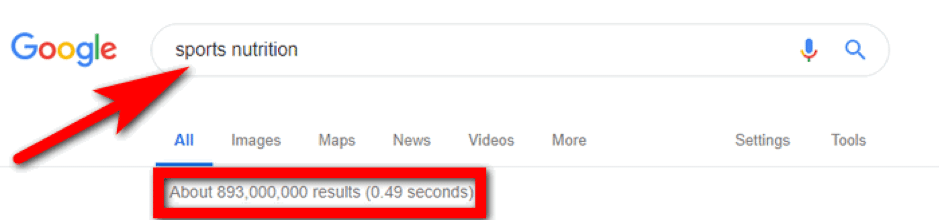
What will you get if you type whatever query in Google you want? Let’s see:
Yeah, a single query with so many results to suggest you. But people never come to the second page of Google results (mostly never.) Thus, you need to do everything possible to get to this Top 10 list.
Are there any factors that are essential when sorting the results in Google Top 10?
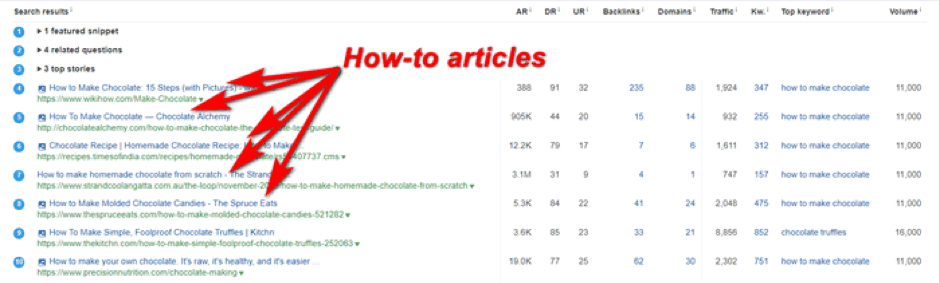
Yes, there are a bunch of factors and one of them is “search intent.” This factor helps Google to see whether a particular query gets traction. I advise you to discover if there are any commonalities in the SERPs using Keywords Explorer tool:
I pointed out that almost each of Top 10 SERP results contains an informational keyword “how-to”, which clearly shows us the search intent behind it.
To conclude everything mentioned above, you should choose the keywords for your content with “search intent” in mind.
Work with me
Want AI doing the heavy lifting in your marketing?
I build the systems that handle the boring 80 percent, so you get your week back. Done properly, with the human kept in.
I would like to end the formal suggestions on how to optimize URLs, titles, and headers with the keywords this section of the post.
The main principle here is to include a target keyword within the URL, title, and headers. For instance:
URL
Title
Header
4. Long-Form Content
I am afraid that this information might hurt those people who don’t like writing long stories. However, joking aside, let’s review a few reasons why Google likes long-form content.
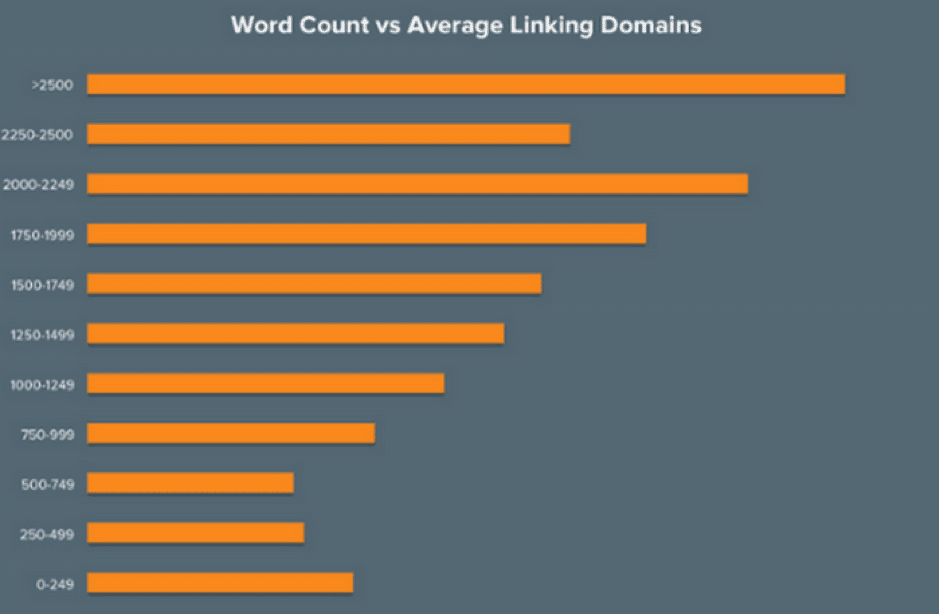
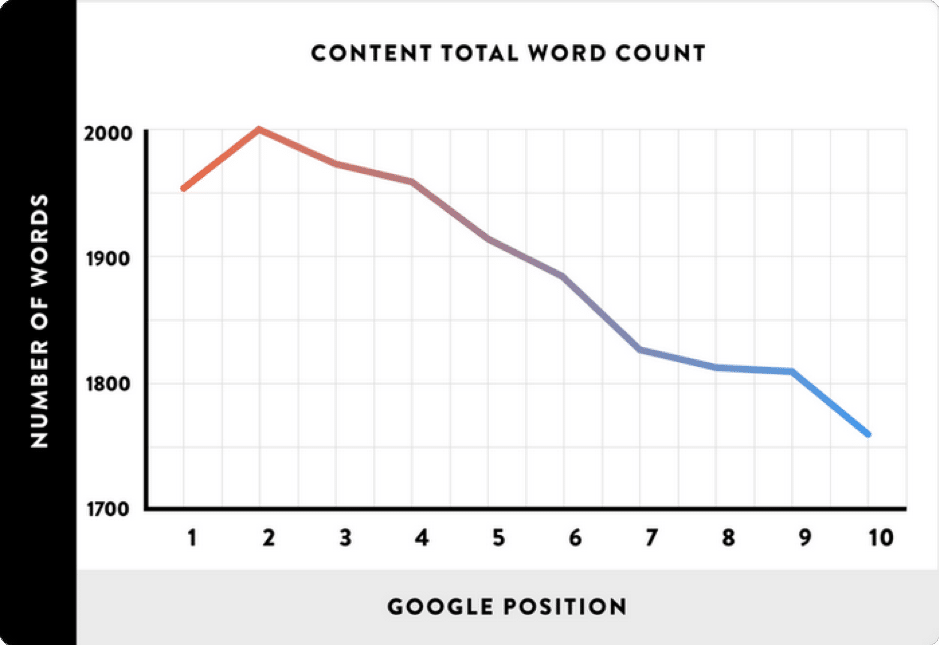
Long-form content ranks well. To prove this statement, review these two charts:
As you can see, long-form articles rank pretty well in Google.
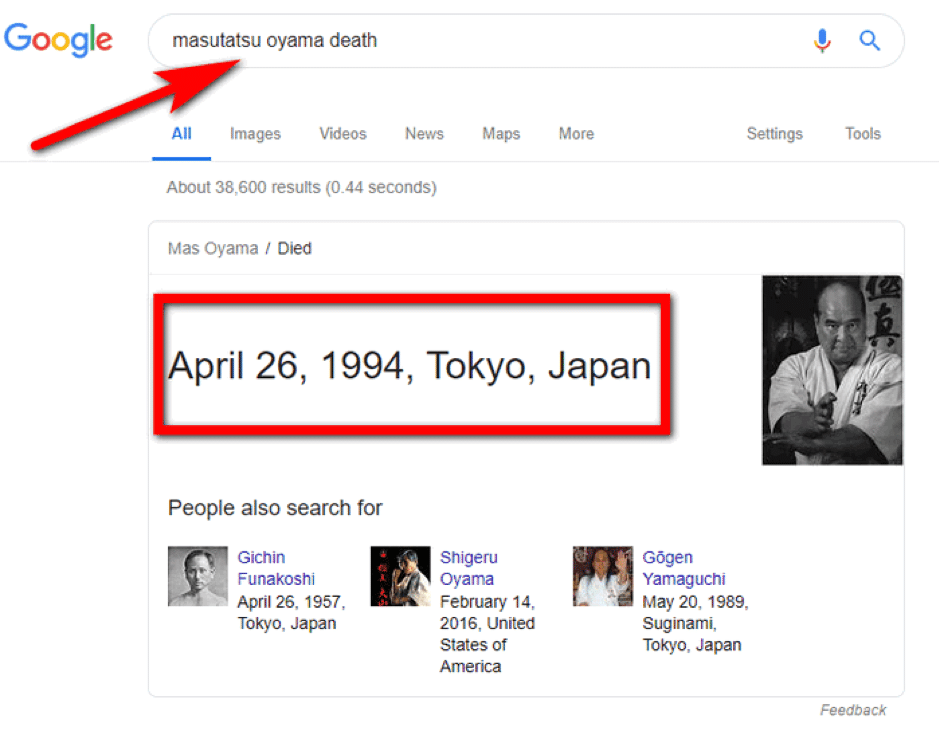
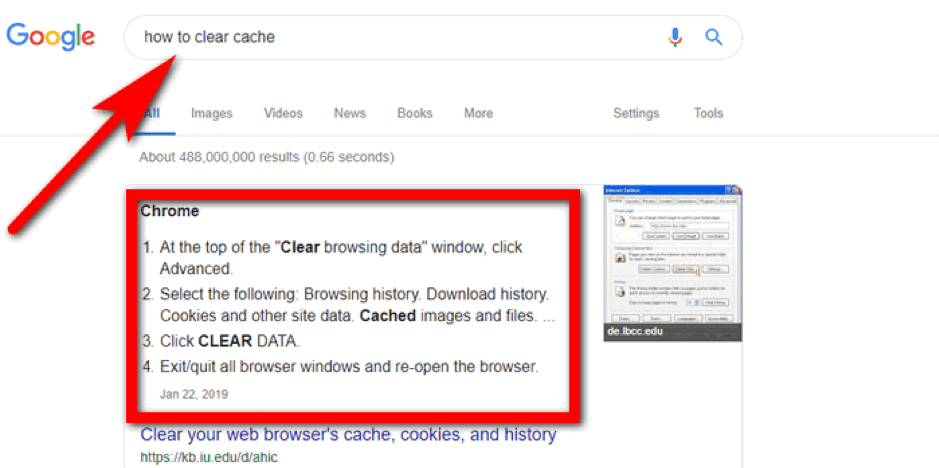
Long-form posts are topically relevant, which is considered one of the ranking factors. Thus, you should create content that would be relevant to the queries your target audience types in the search. However, keep in mind that long-form content isn’t always appropriate. Here are a couple of examples:
If I type “masutatsu oyama death”, which is a long tail keyword, I will get the exact date that needs no long-form content:
If I type something like “how to clear cache” (informational query), I will get a step-by-step instruction:
Long-form pieces of content are convertible. You can repurpose a huge post into the video, infographics, separate posts.
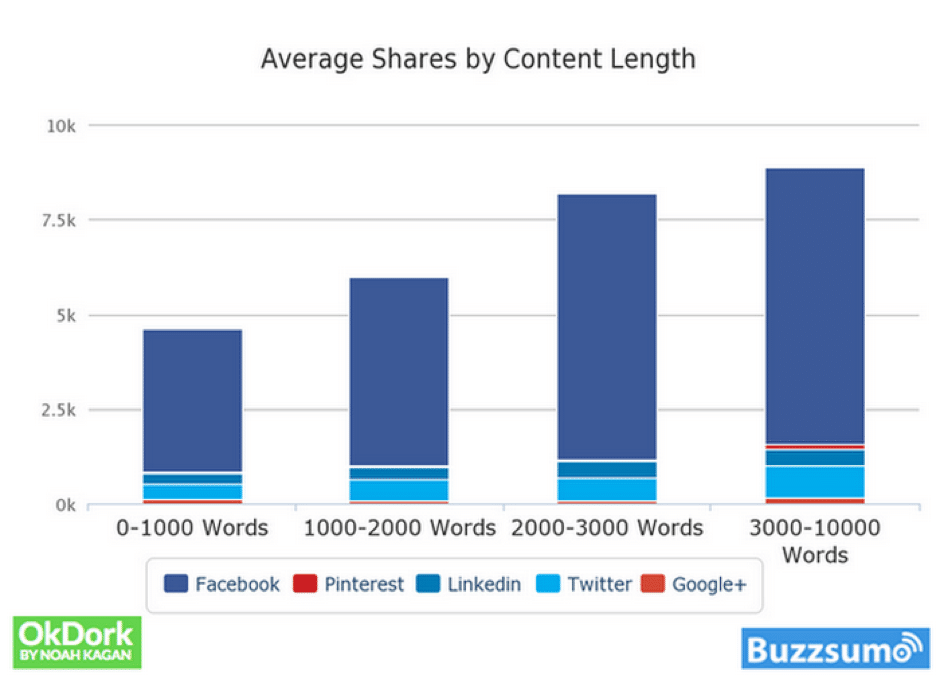
Long-form content is a share-worthy on social media channels. Here is the chart that proves this statement:
In the end of this section, I want to encourage you to stop being lazy and start creating long-form posts!
Be Closer to Your Target Audience
Your target audience has one important feature - it can be converted into your customers. The wider the audience you have, the more potential customers you might get.
It sounds easy but the question is how to attract more users and retain them eventually?
I don’t want to speak at length and I’ll give you four main directions in which you should move ahead:
Create high-quality and engageable content
Add inbound links
Interact with your audience (reply to the comments, participate in discussions)
Don’t shy to encourage your audience to share your writings
Following these four simple yet actionable pieces of advice, you will succeed in attracting new followers within your niche.
Final Note
When you hear about SEO copywriting, don’t be deluded that it is everything related to some technical aspects of SEO. SEO copywriting serves to satisfy both search engines and users.
The aim of this post was to give you a clear idea that SEO copywriting isn’t hard as it might seem to you before.
I hope the recommendations I represented in the post will help you improve your SEO and your rankings on Google.
If you have some suggestions that would enrich this post, feel free to share them in the comments section.
About the author:
Sergey Aliokhin is a Marketing Manager at Ahrefs. Apart from working at Ahrefs he likes spending his time with family, studying martial arts and plucking fat bass guitar strings. Don’t hesitate to contact him.
The short version: SEO copywriting in 2019 is about writing compelling content for humans first while strategically placing keywords where they naturally fit. Your goal is to rank higher in search engines without sacrificing readability, engagement, or the value you deliver to your audience.
2026 Update: What Has Changed About SEO Copywriting Since I First Wrote This
I wrote this post back in 2019 and, honestly, a lot of what I said still holds up. Good writing matters. Knowing your audience matters. Matching search intent matters. But if you are sitting here in 2026 treating SEO copywriting the same way you did five years ago, you are leaving a serious amount of organic traffic on the table. So let me give you a straight, no-nonsense update before you read the original post below.
The biggest shift I have seen is how Google now processes content. It is not just reading your keywords anymore. It is evaluating whether your content genuinely satisfies the full scope of what a searcher wants. That means one keyword-stuffed article targeting a single phrase is no longer the play. You need to think in topics, not just terms. I have been advising my clients to build proper content clusters, where a strong pillar page connects to a web of supporting posts, and the results speak for themselves. Tools like Surfer SEO and Clearscope are useful for mapping out what topics you actually need to cover, though I want to be clear that no tool replaces the thinking.
AI-generated content is the elephant in the room, and I am not going to pretend otherwise. Everyone is using it, including me, to speed up research and drafting. But Google has got much sharper at rewarding content that has a clear human perspective, real experience behind it, and something original to say. The sites that are winning right now are the ones combining AI efficiency with genuine first-hand insight. If your copy reads like it was spat out of a chatbot with zero editing, your rankings will reflect that sooner or later.
E-E-A-T (Experience, Expertise, Authoritativeness, Trustworthiness) has gone from a background consideration to a front-and-centre ranking factor. For SEO copywriting this means your author credentials matter, your about page matters, and citing your own direct experience within the copy itself matters. Write from what you know, be specific, and do not be vague just to sound professional.
Finally, search behaviour has changed because of AI-powered search features showing answers directly on the results page. That means you need to write in a way that earns the featured snippet or the AI overview mention. Short, direct answers early in your copy, followed by depth, is the structure that is working best right now. Keep that in mind as you read everything below.
Frequently asked questions
What's the difference between SEO copywriting and regular copywriting?
SEO copywriting combines persuasive writing techniques with search engine optimization. While regular copywriting focuses on converting readers into customers, SEO copywriting also ensures your content gets discovered through search engines by including relevant keywords and following best practices that search algorithms reward.
How many times should I include my target keyword in the content?
There's no magic number, but aim for a keyword density that feels natural - typically 1 to 2 percent of your total word count. Include your keyword in the title, first paragraph, headers, and throughout the body, but never force it in ways that make your writing sound awkward or unnatural.
Can I rank well without using keywords?
It's very difficult to rank for specific search terms without using relevant keywords in your content. Search engines need to understand what your page is about, and keywords help communicate that. However, focus on using keywords strategically within high-quality, valuable content rather than stuffing them in artificially.
Should I optimize for voice search in my SEO copywriting?
Yes, voice search is growing rapidly in 2019. Write in a conversational tone, use long-tail keywords, and anticipate the questions your audience might ask aloud. Structure your content with clear headings and concise answers to increase your chances of appearing in voice search results.
Forbes Top 20 Social Media Power Influencer. 21 years of marketing experience. Currently obsessed with AI implementation done well. British AI and marketing consultant working internationally, writes a weekly newsletter that 15,000+ founders read on Sunday mornings.