Workers' compensation is an insurance program that provides benefits to employees who are injured or become ill because of their jobs.
It covers the cost of necessary medical treatment for your work-related injury or illness. This includes doctor visits, hospital stays, medications, physical therapy, and even medical equipment.
Any employee injured while performing their job duties or because of workplace conditions is eligible for workers' compensation. Workers’ compensation lawyers at Hope Law Firm can help you get maximum compensation for your losses.
- Your Previous Condition Worsened
Sometimes, a job can make an old injury worse. Workers' compensation can also help in this situation. But first, it must be proven that the pain must be constantly connected to your work duties.
For example, if you have an old back injury that always bothers you, but lifting heavy boxes at work makes it significantly worse, you might have a case.
You'll need a doctor's note that explicitly says your work activities are making your old condition worse. The doctor needs to connect the dots between your job and your increased pain.
- You Were Injured at Work
Workers' compensation covers injuries that happen because of your job duties or workplace environment. This includes sudden accidents, like slips and falls, or injuries that develop over time, like repetitive stress from using a computer all day.
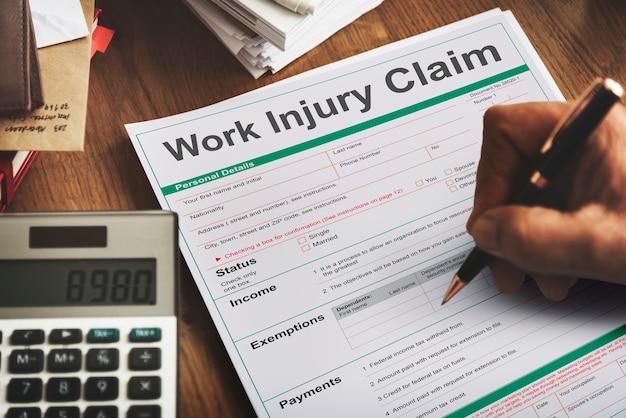
You should report your injury to your employer as soon as possible. There might be a specific way you need to do this, so ask your supervisor or someone in the Human Resources department for details. Don't wait too long, because there's usually a deadline to report work injuries.
- You Were Exposed to Dangerous Chemicals
Let’s say you’re inhaling strange fumes or dust all day at a factory, or constantly coming into contact with harsh cleaning products. These situations, and many others, could expose you to harmful chemicals that can lead to illness. Workers' compensation can help if that happens.
There are many illnesses that workers' compensation can cover if they're caused by chemicals on the job. Maybe you're having trouble breathing because of something you inhaled, or your skin is breaking out from constant contact with irritants.
Even serious health problems like eye damage or internal organ issues can be covered depending on the severity of the exposure.
- You Were Assaulted at Work
No one should ever be assaulted at work, but unfortunately, it happens. Workers' compensation can help you recover financially and emotionally if this happens to you.
It could be that you got robbed while working late or a customer gets violent because of something work-related. These are just a couple of examples of situations where workers' compensation can come into play.
Want AI doing the heavy lifting in your marketing?
I build the systems that handle the boring 80 percent, so you get your week back. Done properly, with the human kept in.
The key thing to remember is that the assault has to be clearly connected to your job, not something personal. For instance, getting attacked while walking to your car after work wouldn't be covered. However, if you're mugged while delivering something for work, that could be considered work-related.
- Your Mental Health Was Jeopardized Because of the Job
Work can be demanding, but if it's causing serious mental health problems, workers' compensation might be able to help. Anxiety, being overwhelmed, and depressed are some common examples of mental health problems. These aren't just normal job frustrations; they can be signs of a work-related mental health condition. Workers' compensation can offer support if your job is the reason behind your struggles.
Hire a Lawyer
You need to find a lawyer who can fight for your rights no matter what situation is at play. A competent lawyer will know the right factors to analyze and get you to obtain the maximum workers' compensation applicable to your situation.
No matter your working conditions, if you get hurt at work, don't hesitate to talk to your employer or seek help. Workers' compensation is there to support you.
Related: Maximizing Compensation for Workplace Injuries
Bottom line: Workers' compensation claims are valid when injuries or illnesses arise from job duties, including accidents, repetitive strain, occupational illness, aggravation of a pre-existing condition, and mental health harm caused by work conditions. Filing promptly with documented evidence gives you the strongest chance of approval.
Frequently asked questions
What are the most common reasons workers' compensation claims get denied?
Claims are often denied due to late reporting, insufficient medical documentation, disputes over whether the injury is work-related, or missed filing deadlines. Reporting the incident immediately and seeing a doctor right away helps avoid these issues.
Can I file a workers' compensation claim for a pre-existing condition?
Yes, if your job duties made the condition worse. You'll need medical records showing the connection between your work activities and the aggravation of the existing injury or illness.
Does workers' compensation cover mental health conditions?
In many cases, yes. Conditions like anxiety, depression, or PTSD caused by workplace incidents, harassment, or extreme stress can qualify, though these claims typically require stronger documentation than physical injuries.
How long do I have to file a workers' compensation claim?
Deadlines vary by state, but most require notifying your employer within days of the injury and filing the formal claim within one to two years. Check your state's specific rules and act quickly to protect your right to benefits.
Related reading: The Process of Filing a Workers' Compensation Claim and Work From Home Jobs for Nurses and Healthcare Workers: The Real Options That Pay Well.