


The gap between fund managers and investors has always been shaped by timing, accuracy, and interpretation. Information must move fast, but it also must move correctly. In an environment defined by precision and performance, artificial intelligence has begun to rewire how that movement happens.
Real-Time Analysis Replaces Reactive Reporting
Traditionally, fund managers operated on cycles. Monthly updates, quarterly reviews, and annual reports framed communication windows. But cycles lag. Investors now expect insight on demand, and AI is helping to meet that expectation.
Machine learning systems can absorb large volumes of data as it arrives. AI integrates market shifts, portfolio changes, and macroeconomic indicators. Then, it identifies patterns as they unfold. Instead of waiting for an analyst to interpret the noise, algorithms surface what matters and when. This shift reduces latency in decision-making and brings fund performance conversations closer to real-time.
Customization at Scale
Every investor asks slightly different questions. Some want macro commentary. Others dig into asset allocation details. AI makes it possible to meet both needs without multiplying workload. Natural language processing can identify the intent behind common queries and generate data-backed answers in a language that matches investor tone and preference.
This dynamic personalization replaces generic outreach. It allows fund managers to maintain a more direct connection with clients, while keeping communication accurate and scalable. Instead of fitting everyone into a single model, AI allows for a framework that flexes with the person receiving the message.
Compliance, Clarity, and Consistency
While the speed of AI can be impressive, so is its attention to structural requirements. Communication between fund managers and investors must comply with regulatory expectations. AI tools can cross-reference content against reporting guidelines, flagging potential misstatements or inconsistencies before they leave the building.
Want AI doing the heavy lifting in your marketing?
I build the systems that handle the boring 80 percent, so you get your week back. Done properly, with the human kept in.
These systems also track historical disclosures and compare them with new output to ensure continuity. This matters especially for funds managing multiple investor classes or operating in several jurisdictions. The result is clearer, more consistent messaging that reflects both the facts and the rules.
The Role of CRM in the AI Loop
As AI becomes a key engine behind fund communication, integration matters. Private equity CRM platforms serve as the nerve centers for these operations. They store investor preferences, track interactions, and provide a structured environment where AI-generated content can be routed, reviewed, and delivered. Without a reliable infrastructure, even the smartest tools lose direction.
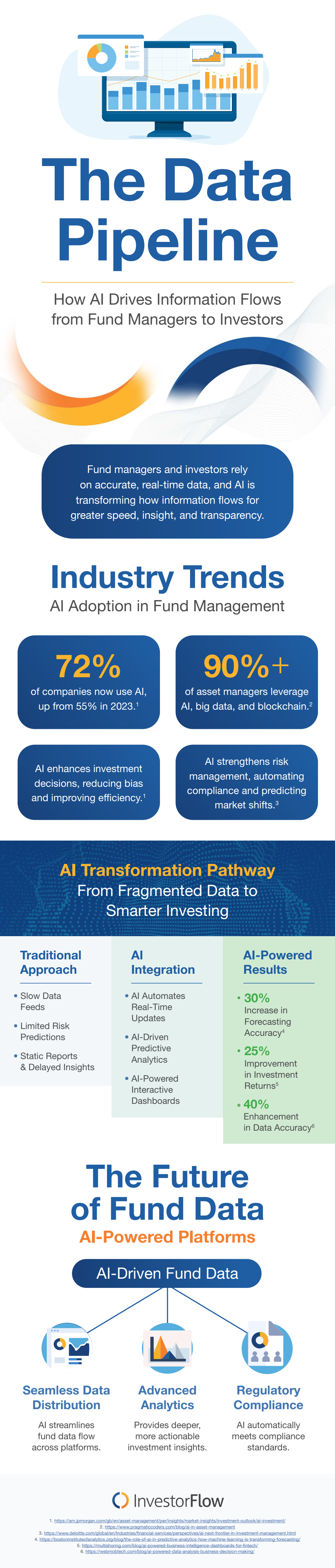
AI is not making fund managers obsolete. It is making them faster, more responsive, and better equipped to address a wider spectrum of investor needs. The quality of communication still reflects the discipline of the fund, but the process now carries fewer delays and more context. That change is subtle, but investors feel it. For more information, look over the accompanying infographic.
Related reading: Freelance Author Jobs: What They Pay, Where to Find Them, and Why Most Writers Quit Before Their First Cheque Clears and How to keep track of your entire business with one smart dashboard.
Related: what a genuine product review looks like

