Perrin Carrell of HerePup
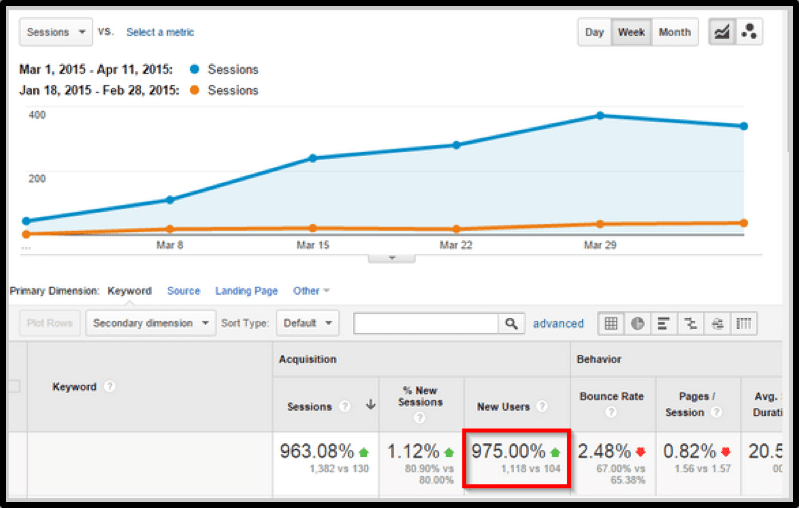
Another such success story is of Perrin Carrell. He had just adopted a puppy and wanted to find the best dog food on the market. His search turned up nothing helpful and he realised that there was a gap in the market. New pet owners are always on the lookout for advice on how to take care of their pets and Perrin seized this opportunity. To help new pet owners like himself, he started off his own blog, HerePup (formerly called ChewieSays). He faced tough competition from massive authority sites and was anxious to come up with a solution. And he found one!“I saw a few smaller blogs ranking for low-competition keywords. I thought I could top what they were doing. I also noticed that authoritative pet blogs were getting insane traffic. Even though it was going to be really tough to beat these bigger sites, that showed me that the ceiling in this niche was really high.” –Perrin Carrel[clickToTweet tweet="How Perrin Used Guestographics to Grow His Pet Blog via @lilachbullock" quote="How Perrin Used Guestographics to Grow His Pet Blog via @lilachbullock"] Perrin could have gone the usual way by posting stuff on his blog and waiting for a miracle to happen; or taking up Alex Chris’s advice of following ways to Google boost his blog. That would have taken up too much time and Perrin knew that the market was moving towards visual content. Keeping this in mind, Perrin decided to go in for the kill and promote his unique content. And that’s where guestographics came in the story. Even the social media marketing industry report agrees that visual marketing plays a bigger role than blogging. 37% of marketers prefer visual marketing as compared to the 36% who voted for blogging. With over 65% of your audience being visual learners, using infographics is important. Just think about how linking images to a text can increase the retention span of a person’s mind. Even after three days, people are likely to retain 65% of the information. It took time, but Perrin was able to achieve what he wanted. His blog was promoted by a number of popular pet blogs and was even featured in Huffington Post. And naturally, the traffic on his blog increased by 975% within 6 weeks. Those are some amazing numbers!
1. Create Creative and Engaging Infographics
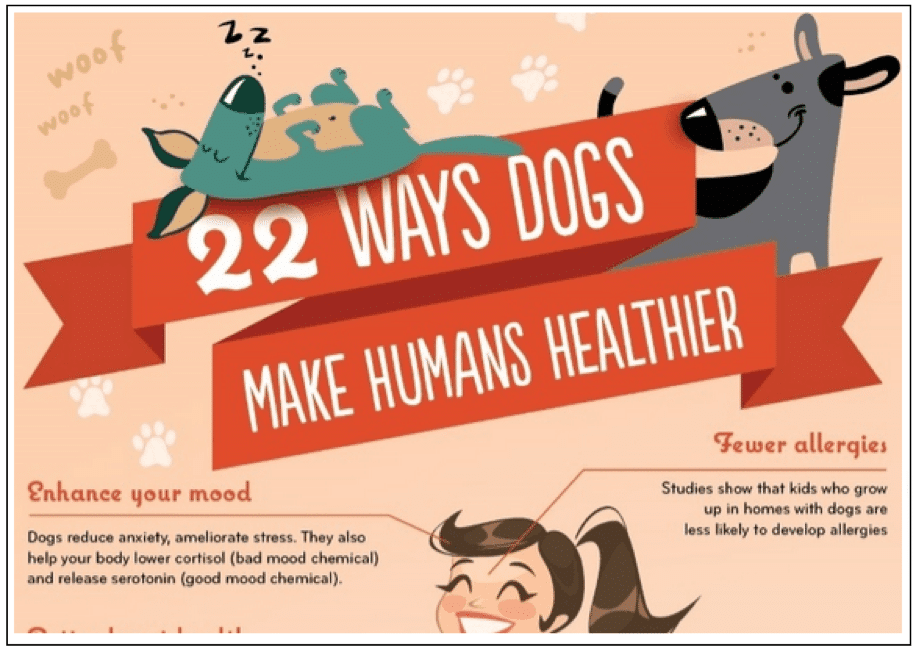
Infographics are three times more likely to be shared and liked on social media compared to other types of content. And this should be encouragement enough to get you started on making some unique infographics. While on the lookout for the bets topic to base his infographic on, Perrin came across a slideshow that had just the material he was looking for but its design was nothing impressive. WebMD pages don’t exactly satisfy the visitors, but they sure are effective in attracting backlinks from referring domains. But getting backlinks with guestographics isn’t hard and Brian Dean has figured out the secret. Perrin however, wasn’t enticed with the content he had found and realised that he had a great opportunity:“That’s not a good article. It’s just fun facts with cute blurbs. There’s no design or research to speak of. I knew I could do it better, and one of the ways I wanted to improve it was to make an infographic.”And then the rest is history. Perrin knew that people would want the same data but in a more scalable way, like an infographic, and he cashed in on the opportunity.
2. Look for Blogs that Cater to Your Target Market
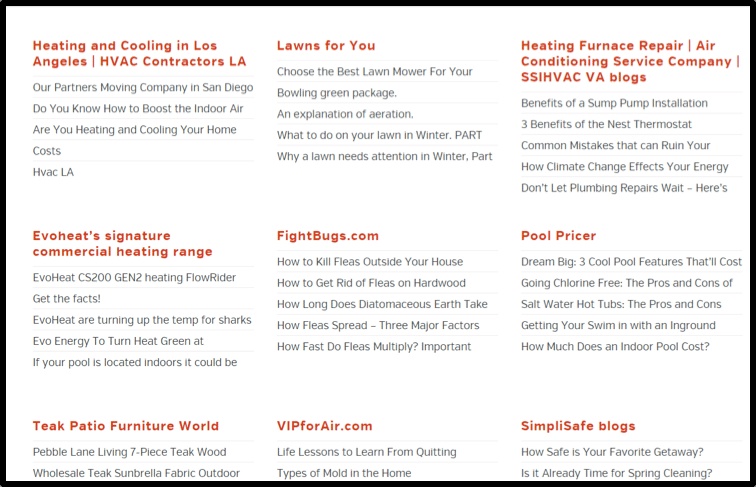
You need to look for blogs and sites that will be interested in your infographic. The key is to find the right blog, which can be done by doing a Google search.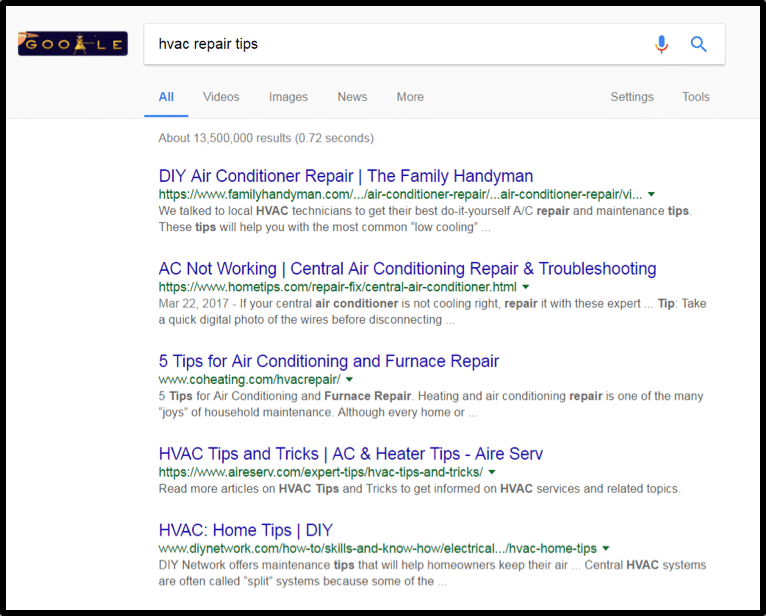
3. Reel in the Deal
Things weren’t exactly easy for Perrin the first time he started working on guestographics, the reason being that most people don’t pay heed to bloggers. And the same would have happened to Perrin too, had he followed the same, boring routine of approaching people. Sending email newsletters helps drive more traffic to blogs but unless you have some fabulous newsletter ideas, you’ll just be another one of those pushy pitchers. And we all know what happens to boring and sloppy emails... They get deleted! Perrin hadrealisedd this a long time ago, so he sent out a short and quick email, nothing too long or boring. He wanted the receiver to be interested in the idea and then pitch the idea to him. In fact, the first email he sent didn’t even have the infographic attached to it. It was just a short email, asking if they might be interested in viewing his infographic. This is a good sample to check out.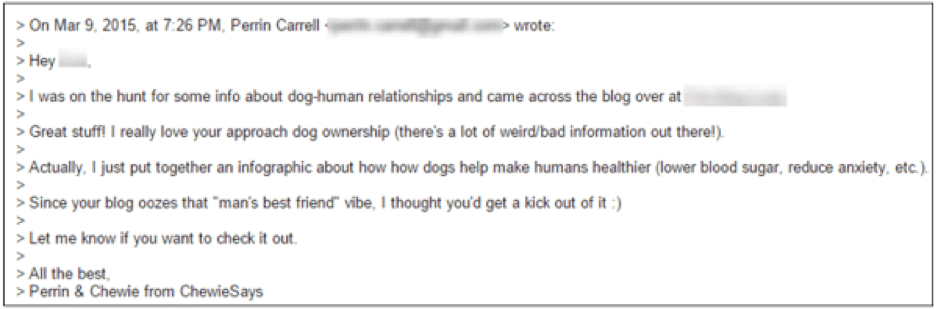
4. Make It Easy For People to Share Your Infographic
Now that you are finally about to achieve your goal, it’ll be a shame to delay the process. The best option you have here is to make the sharing process easier for bloggers. They are agreeing to include your infographic and the least you can do is facilitate them. This is the part where the “bribe” comes in. Some people may hesitate to include an infographic in their blog just because they would have to write a unique and creative introduction for it. After all, it’s your piece of art and you should be the one to do it. Your pitch email can be something like this: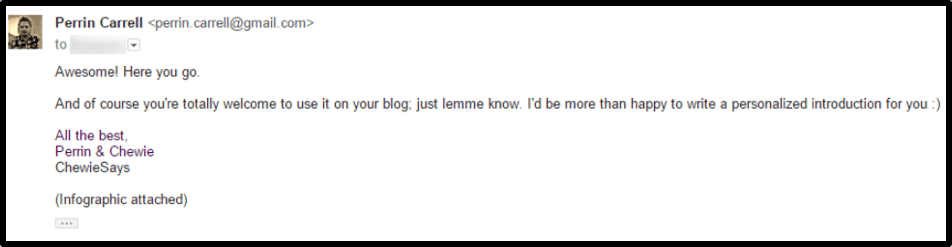
5. Insert a Link
A little more promoting won’t hurt anyone and writing the introduction gives you the best opportunity to do so. When people will see your infographic, they might want to go through more of your content. So, to increase traffic on your site, insert a link to your website in the introduction. This is not just a way to boost your referral traffic, but it’s also good for SEO. Just remember that instead of embedding backlinks (a case that is common when sharing infographics), guestographics links serve a better purpose when they are used as a part of the introduction. Here is a good example: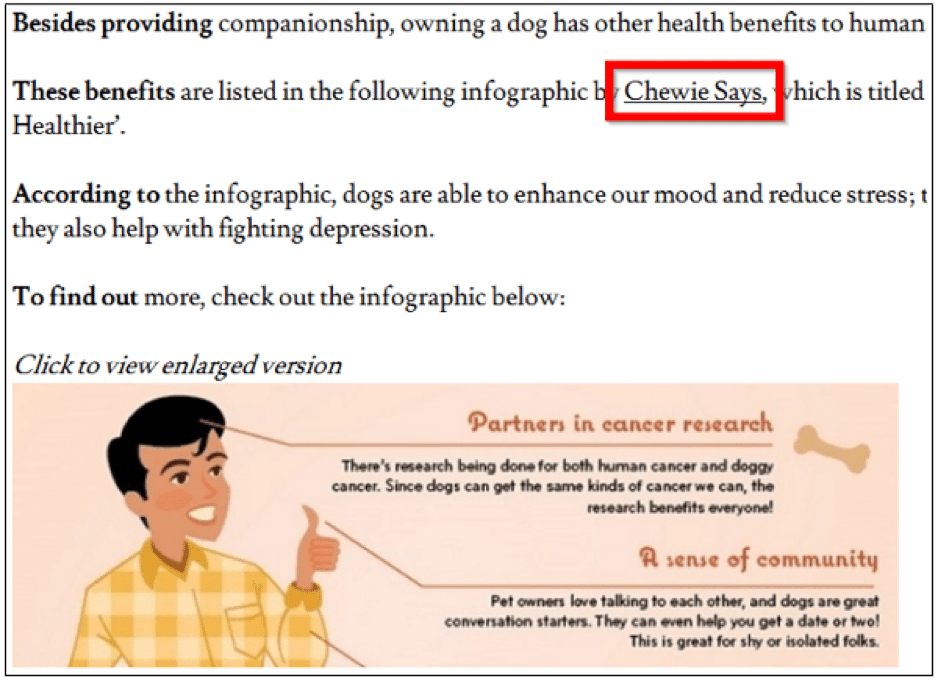
Now It’s Your Turn
Just remember that as long as your content is enticing and you know how to pitch it, you can make guestographics work for you. When looking for bloggers, be specific. You wouldn’t want your content to land in the wrong hands (Yes, it does happen). The “convincing the blogger” part is pretty difficult but if you come on strong and don’t go into long, boring details, you can actually catch a break. And don’t forget to insert the links! Keep in mind that after all that hard work though; your success depends on sheer luck and the traffic on the internet! About the Author
Related: how to make money on Instagram with 1k followers
Bottom line: Perrin grew his pet blog by creating linkable visual assets and pitching them to relevant bloggers through personalized outreach, a strategy known as Guestographics. The approach turned simple infographics into a repeatable link-building system that boosted both traffic and search rankings.
Writers who cover this can pitch via How to Create a ‘Write for Me’ Page that Attracts Quality Guest Bloggers.
Frequently asked questions
What is the Guestographic strategy?
The Guestographic strategy involves creating an infographic, publishing it on your own site, then offering a free customized introduction to other bloggers in exchange for publishing it with a link back to you. It combines content creation with targeted outreach to earn quality backlinks.
Why did this work so well for Perrin's pet blog?
Perrin focused on a niche audience and created infographics that solved real problems for pet owners. Because the content was useful, bloggers in the pet space were willing to publish it, which built both traffic and domain authority over time.
Want AI doing the heavy lifting in your marketing?
I build the systems that handle the boring 80 percent, so you get your week back. Done properly, with the human kept in.
Can this strategy work for any niche, not just pet blogs?
Yes. The Guestographic method works across industries because it relies on universal principles: creating visually appealing, shareable content and reaching out to site owners with a clear, low-effort value proposition. Any niche with active bloggers or content creators can benefit.
How long does it take to see results with Guestographics?
Most bloggers who follow this method start seeing new backlinks within a few weeks of outreach, though meaningful traffic and ranking improvements often take a few months as search engines recognize the added authority.