


- What's changed since this list was written (checked Nov 2026)
- 10 Productivity tools to consider for your business:
- 1. Slack
- 2. Asana
- 3. ZOKRI
- 3. Trello
- 4. Toggl
- 5. Blink
- 6. SaneBox
- 7. IFTTT
- 8. Zapier
- 9. Habitica
- 10. Rescue Time
- Productivity platforms and smoother workflows
- New productivity tools worth a look in 2026
- Three more productivity tools added in Nov 2026
- What people ask about productivity and workflow tools
- Conclusion: what are your favourite productivity tools?
- Frequently asked questions
What's changed since this list was written (checked Nov 2026)
| Tool | Status | What to know |
|---|---|---|
| Slack | Live | Team channels, projects and workflows, as of Nov 2026, free plan at $0 |
| Asana | Live | Work management for teams and AI agents |
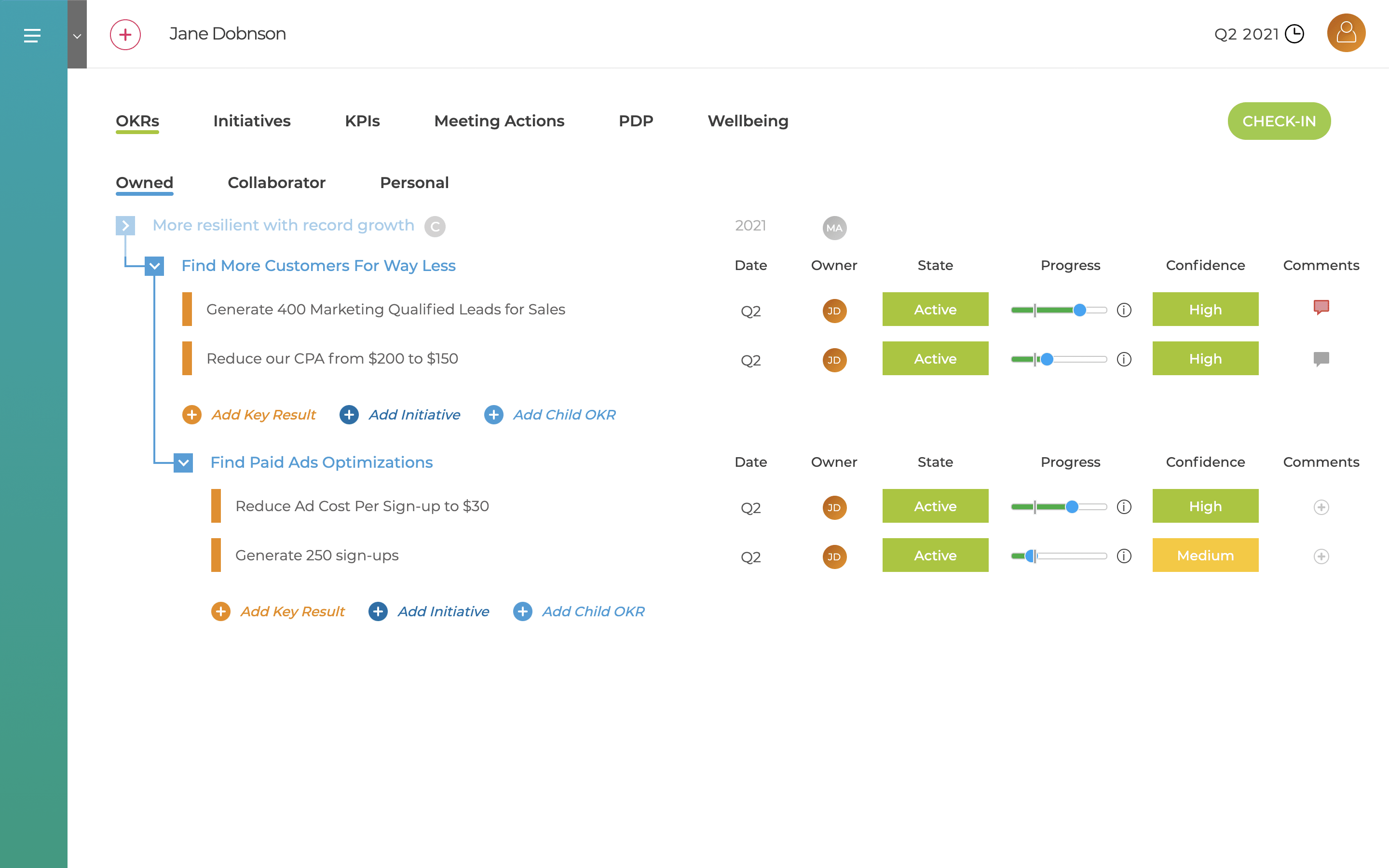
| ZOKRI | Live | Now an enterprise OKR consultancy with its own AI-coached software |
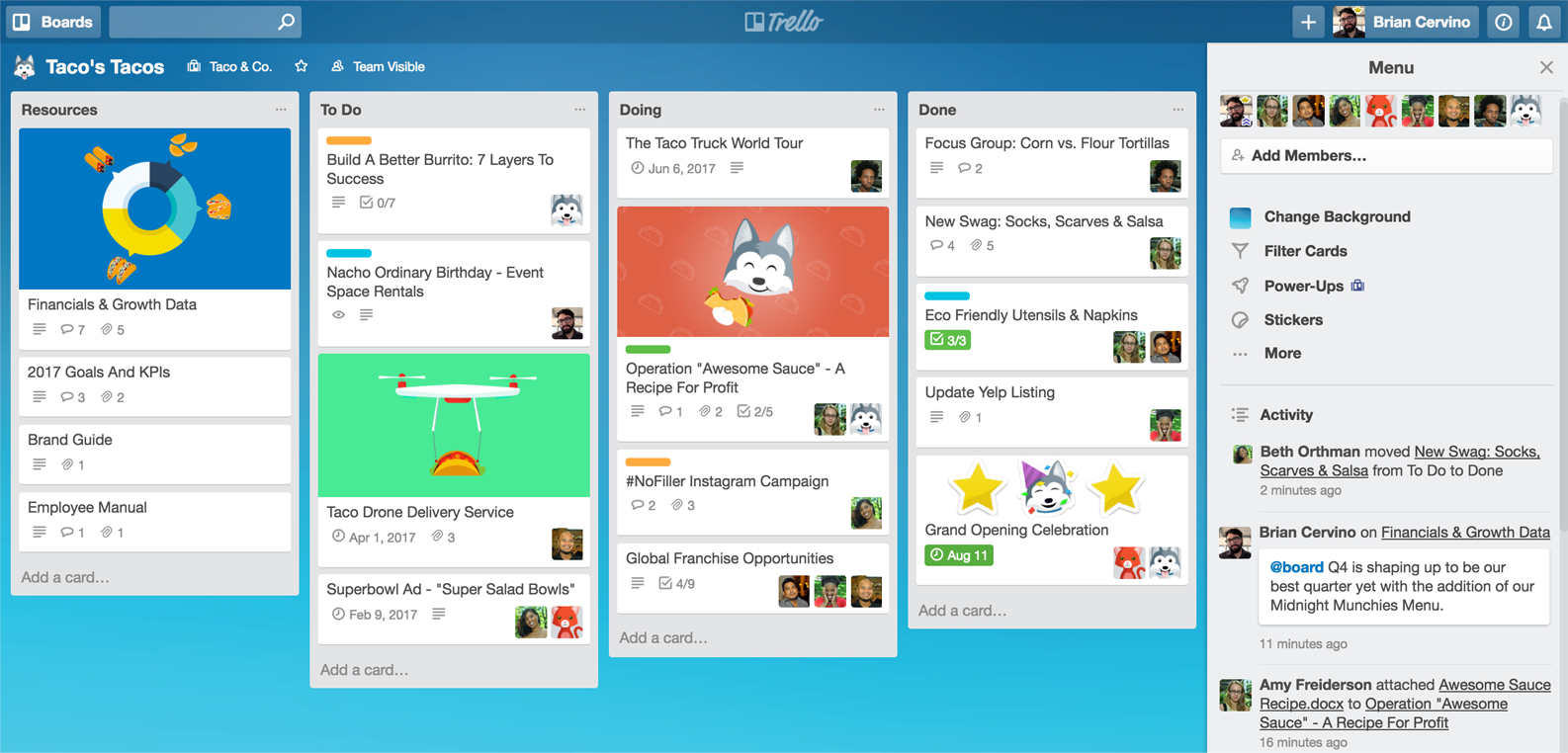
| Trello | Live | Task boards for organising your to-dos, with a free plan |
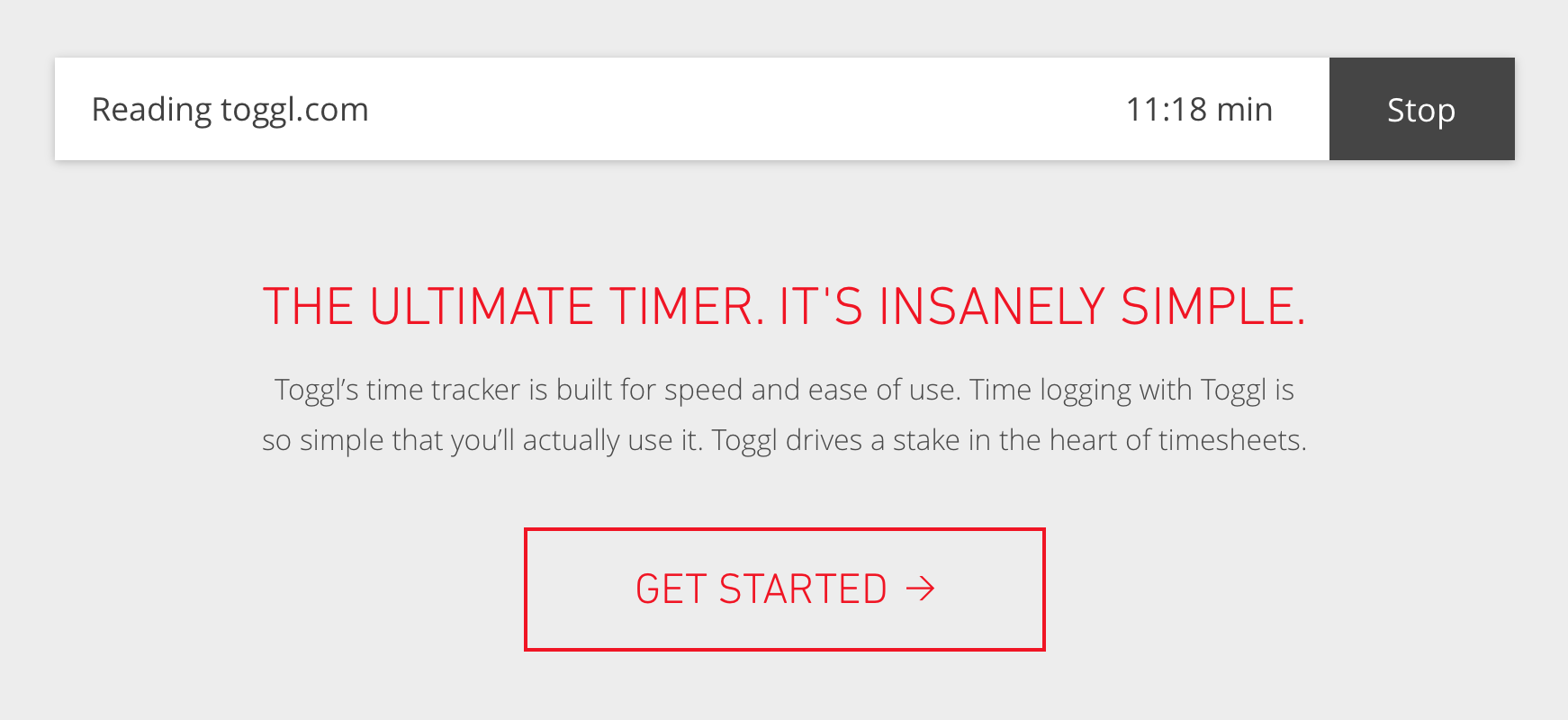
| Toggl | Live | Time tracking and capacity planning |
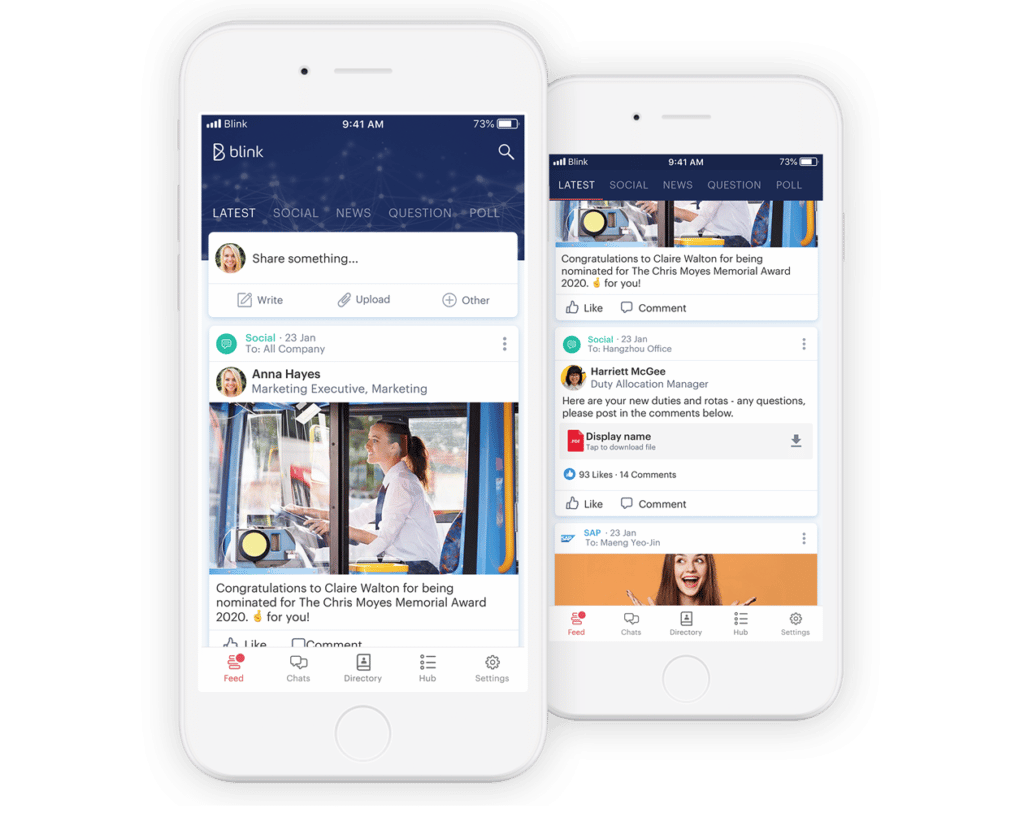
| Blink | Discontinued | Site no longer online |
| SaneBox | Live | Email management that works with any inbox |
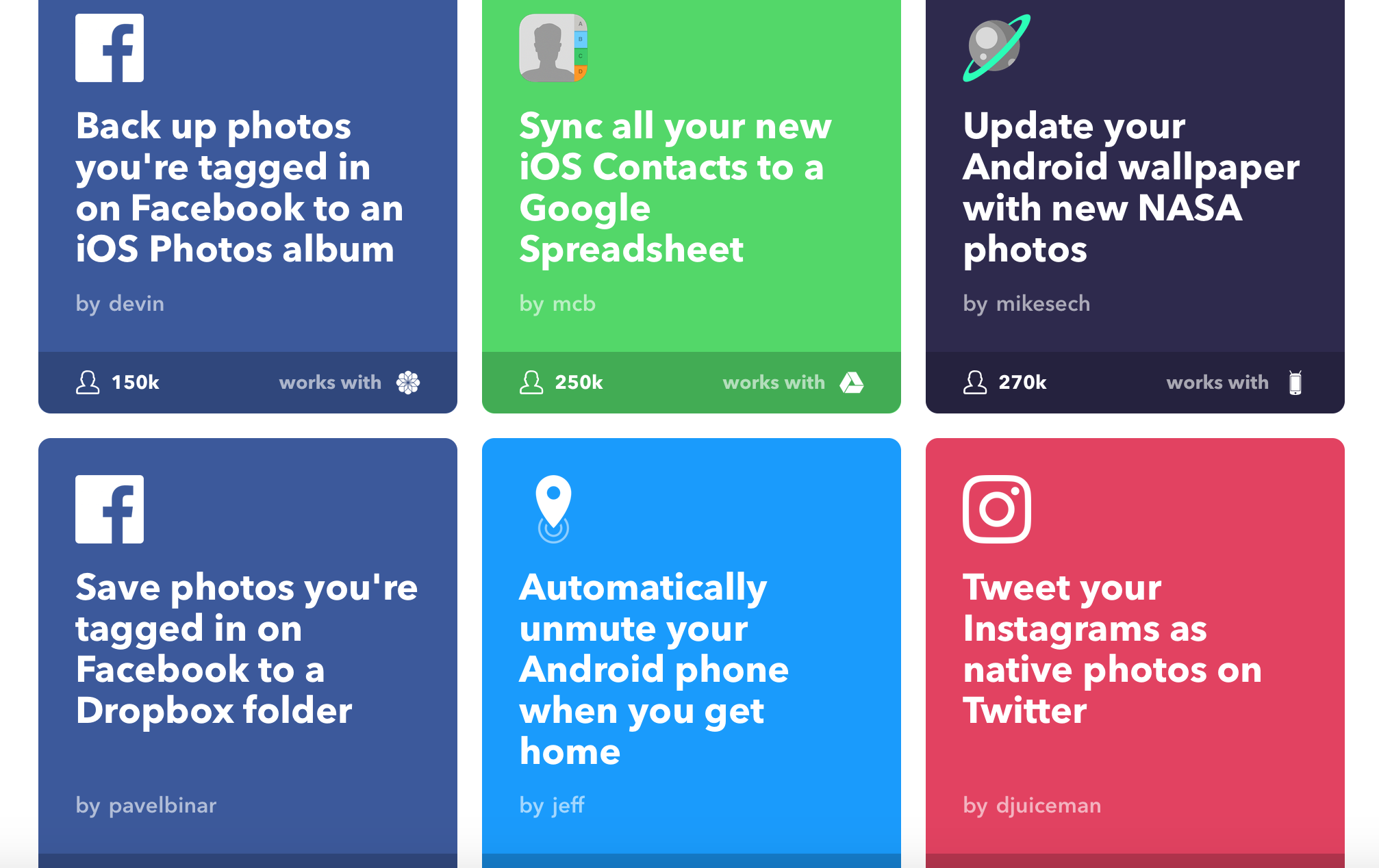
| IFTTT | Live | Connects 1,000+ apps so they trigger each other, no code needed |
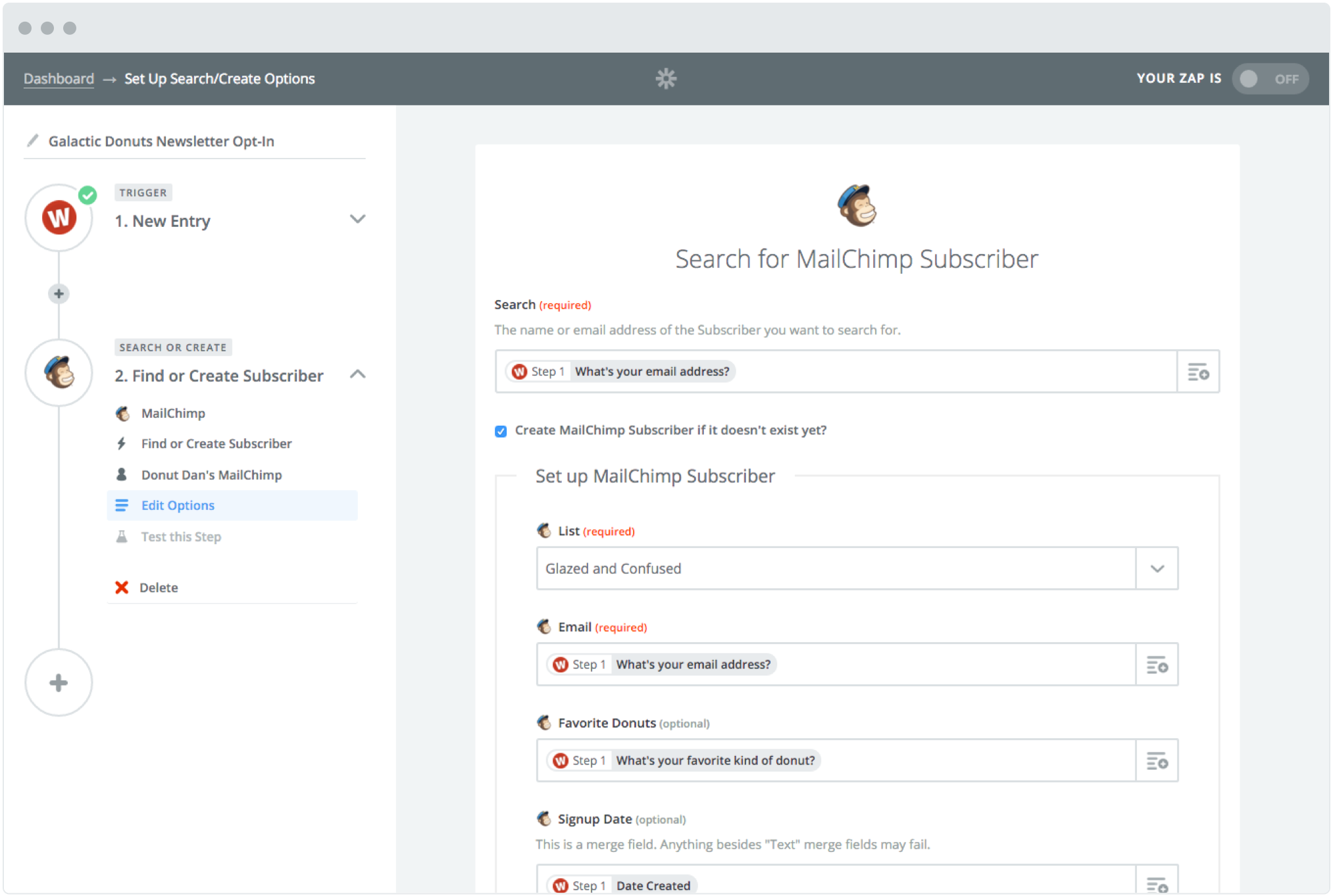
| Zapier | Live | Automates workflows across 9,000+ apps, as of Nov 2026, free plan at $0/month |
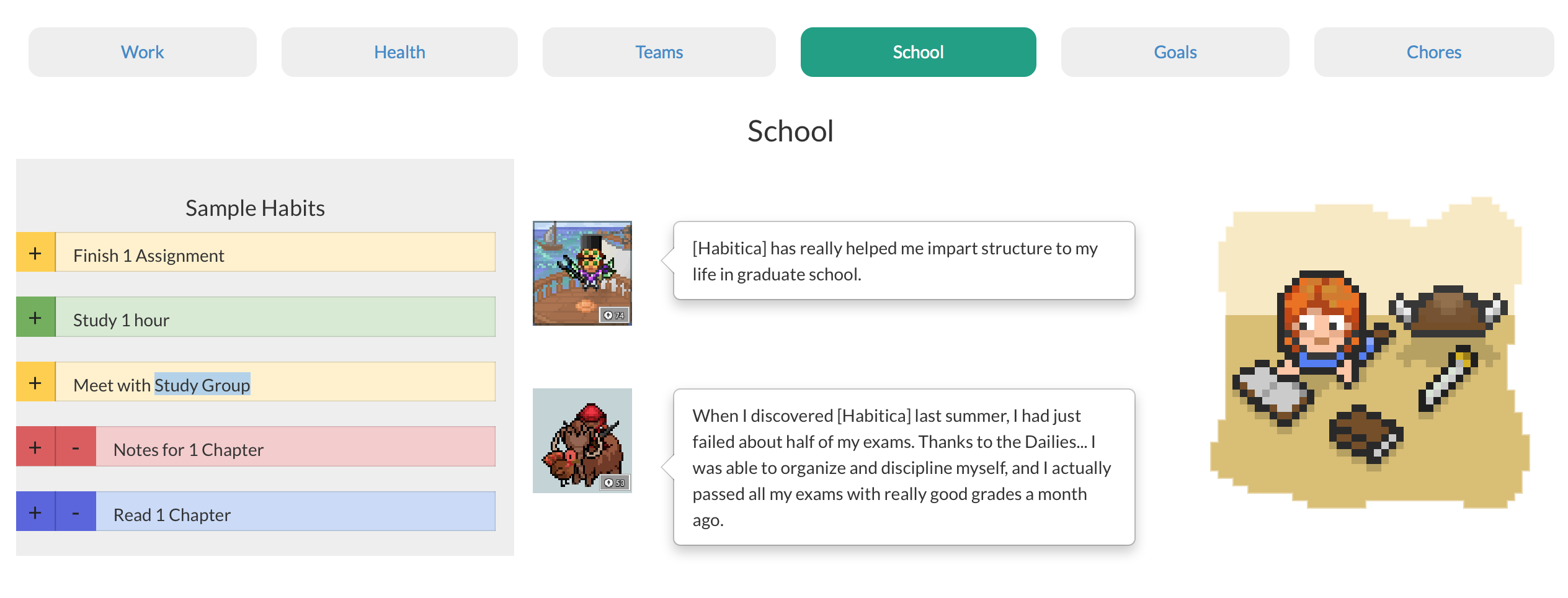
| Habitica | Live | Free habit app that turns your tasks into a game |
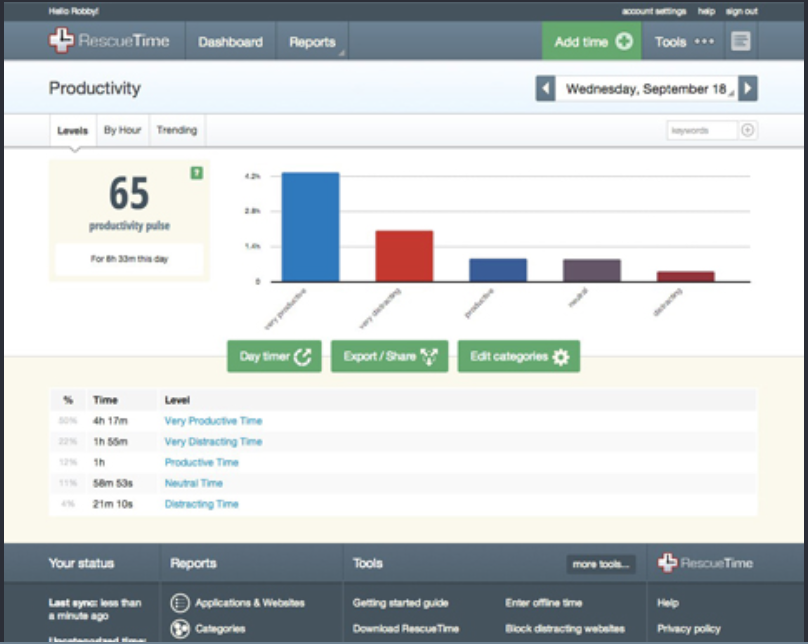
| RescueTime | Live | Automatic time tracking for freelancers, small businesses and teams |
10 Productivity tools to consider for your business:
- Slack
- Asana
- ZOKRI
- Trello
- Toggl
- Blink
- RescueTime
- Sanebox
- IFTTT
- Zapier
- Habitica
1. Slack
2. Asana
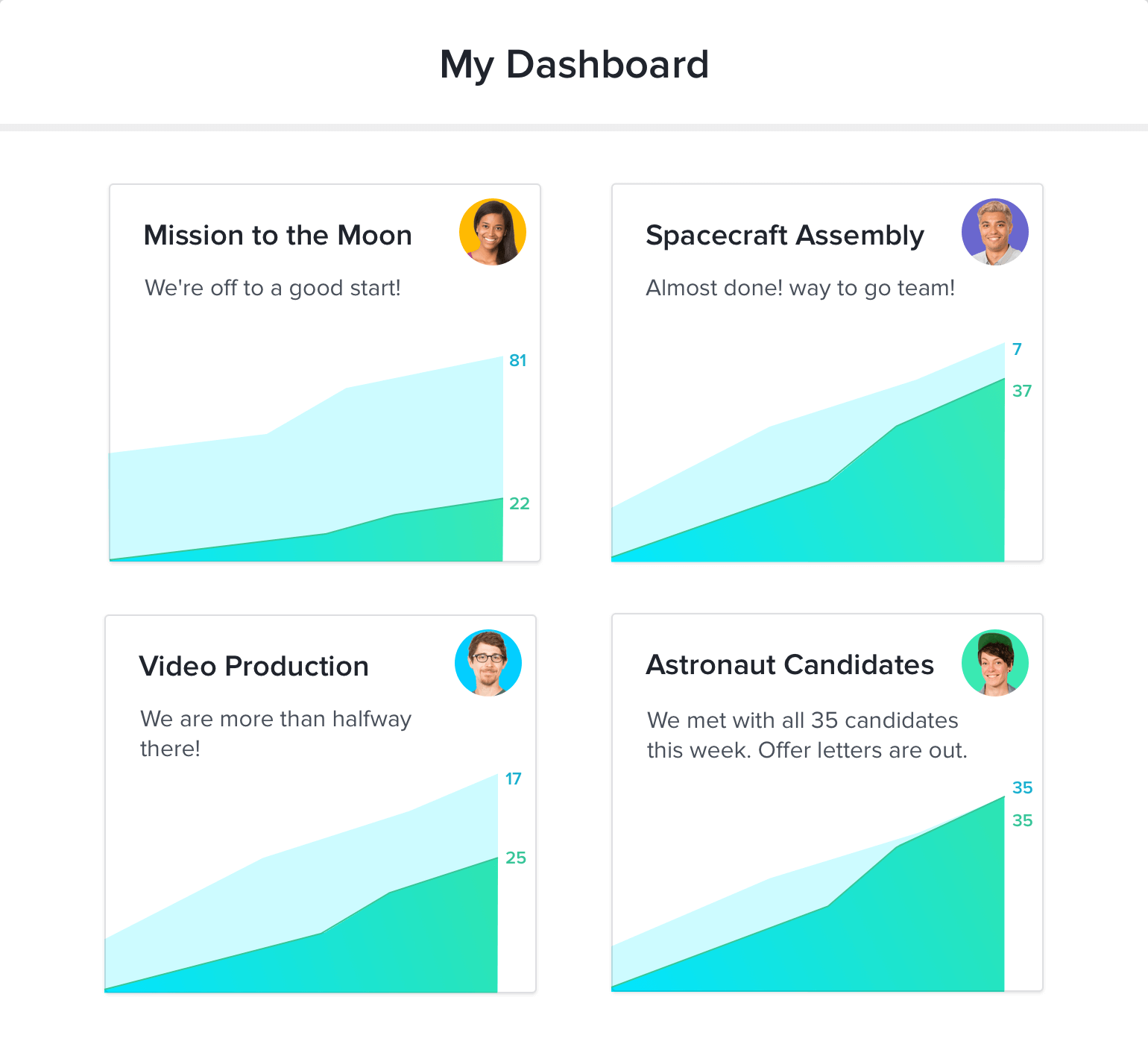 Asana is another team collaboration tool, used for setting up tasks and projects and then tracking these projects’ progress, as well as your team members’ time.
You can also communicate with your team members, create and edit your team calendar and use their iOS and Android apps to keep on track while you’re on the go.
[clickToTweet tweet="The 10 best #productivity tools @Asana via @lilachbullock" quote="The 10 best #productivity tools @Asana via @lilachbullock"]
3. ZOKRI
3. Trello
4. Toggl
5. Blink
6. SaneBox
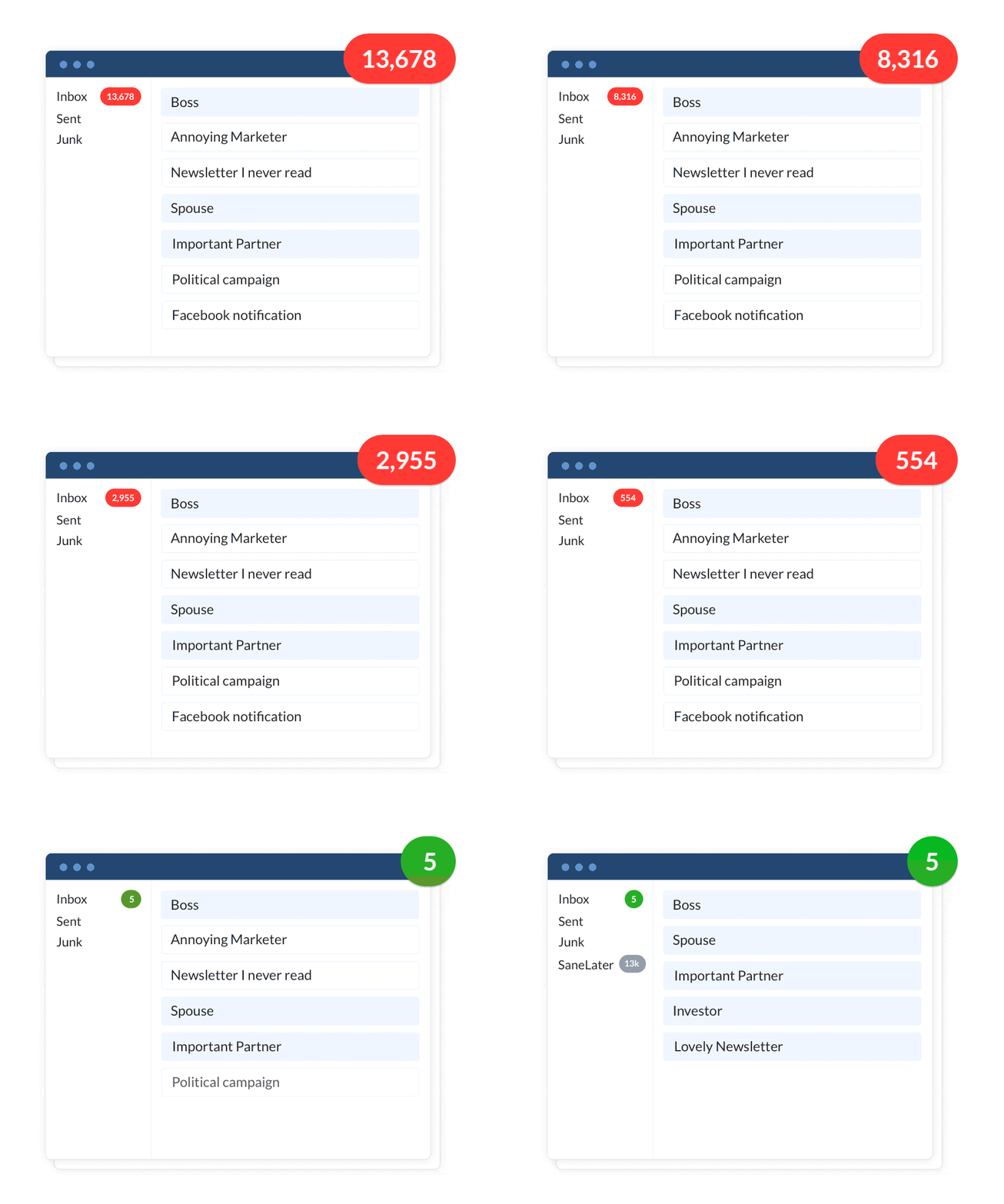 The name of this tool is extremely appropriate – SaneBox can save your sanity by helping you organize and filter your emails better, so that you don’t drown in hours-worth of emails every morning when you open up your email.
SaneBox has a lot of different, very useful features, the main one being its ability to accurately tell which emails matter to you and which don’t, helping you to eliminate any unnecessary distractions. Other cool features include SaneSnooze, which allows you to defer emails for later, SaneNoReplies, which lets you quickly see all of your sent emails that didn’t receive a reply, as well as SaneReminders, which, you’ve guessed it, lets you set up reminders.
[clickToTweet tweet="The 10 best #productivity tools @SaneBox via @lilachbullock" quote="The 10 best #productivity tools @SaneBox via @lilachbullock"]
7. IFTTT
8. Zapier
9. Habitica
10. Rescue Time
Productivity platforms and smoother workflows
What is a productivity platform?
It's a tool that brings your tasks, projects or team communication into one place so less slips through the cracks. Asana and Trello organise tasks and projects, Slack organises team conversations into channels, and Toggl and RescueTime show where your time goes. Most small businesses need one of each kind, not ten overlapping apps.
In short, a productivity tool is software that keeps your work in one place. On this list, Asana and Trello handle tasks and projects, Slack handles team chat in channels, and Toggl and RescueTime track where your time goes, so you can pick one tool for each job rather than stacking apps.
How can I improve workflow productivity?
Start by automating the small, repeated steps between your apps. Zapier and IFTTT connect tools so something happening in one triggers an action in another, without you copying and pasting. Then cut notifications you don't need, using something like SaneBox for email, so your attention goes on the work itself.
New productivity tools worth a look in 2026
Four newer apps cover the planning side of the list, from shared docs to calendars that schedule your tasks for you.
Notion
Notion is an AI workspace for notes, docs, projects and tasks. As of Nov 2026, its free plan is $0 per member/month.
ClickUp
ClickUp combines tasks, docs, goals and chat in one work app, with a free plan at $0 as of Nov 2026.
Motion
Motion is an AI-powered productivity platform that brings your projects, tasks and calendar together.
Reclaim
Reclaim is an AI calendar that schedules your tasks, habits, meetings and breaks for you.
Want your tool on this list? Featured spots and reviews here are paid partnerships. Here's how to partner with me.
A few more quick answers
What are productivity automation tools? They connect your apps so routine jobs run without you doing them by hand. Zapier automates workflows across 9,000+ apps and, as of Nov 2026, has a free plan at $0/month. IFTTT connects 1,000+ apps so one can trigger another, and you don't need to write any code to set it up.
What types of productivity tools are there? Most fall into a few groups. There's team communication like Slack, task and project tools like Trello and Asana, time trackers like Toggl and RescueTime, email helpers like SaneBox, and automation tools like Zapier and IFTTT. Habitica covers habits by treating your day like a game, and newer apps like Reclaim plan your calendar for you.
Are there AI tools that plan your work day? Yes, a couple of the newer ones do. Reclaim is an AI calendar that auto-schedules your tasks, habits, meetings and breaks, and Motion combines projects, tasks and a calendar in one AI-powered platform. Asana also describes itself as work management software for teams and AI agents, if you'd rather stay with a tool from the original list.
Three more productivity tools added in Nov 2026
Linear
Linear is a product development system for planning and building products with AI agents. It suits teams that build software or digital products.
Airtable
Airtable is a platform to build AI workflows, apps and agents, with real-time collaboration and automation.
Want AI doing the heavy lifting in your marketing?
I build the systems that handle the boring 80 percent, so you get your week back. Done properly, with the human kept in.
monday.com
monday.com calls itself an AI workspace where AI agents and people execute and manage work together, as of Nov 2026.
What people ask about productivity and workflow tools
What is a productivity and workflow platform?
It's a tool that organises your work and automates the repetitive parts. Airtable, for example, describes itself as a platform to build AI workflows, apps and agents with real-time collaboration and automation of repetitive work.
What are web productivity tools?
They're online tools for organising work with your team. monday.com describes itself as an AI workspace where AI agents and people execute, manage and operate work together.
Conclusion: what are your favourite productivity tools?
There we go, the 10 best productivity tools you should get right now! For entrepreneurs and small businesses, these tools can be life-savers and can make the difference between a good, productive day or a very stressful day that leaves you physically and emotionally drained. What are some of your favourite productivity tools? Which apps and tools make the biggest difference to your overall productivity? Let me know in the comments section below, as I’m always on the lookout for awesome tools that make my life easier:)Related reading: How to Build an AI-Powered Content Repurposing System That Earns Money (.
The short version: The best productivity tools help you manage tasks, communication and time without adding extra complexity to your day. Tools like Trello, Slack, Todoist and RescueTime consistently rank among the top picks for individuals and teams alike. The right combination depends on your workflow, but starting with one tool for tasks, one for communication and one for time tracking is a solid foundation.
I run AI training and workshops for teams, and help businesses with AI enablement and workflow automation, so the busywork runs itself and people get time back. Most of that work is with SaaS marketing teams and small businesses. Here's how we can work together.
Frequently asked questions
What is the best productivity tool for small business owners?
It depends on your biggest bottleneck. If task management is the issue, Trello or Asana work well. If communication is scattered across emails, Slack can centralize it. Many small business owners combine two or three tools rather than relying on just one.
Are free productivity tools good enough, or do I need paid versions?
Free versions of tools like Todoist, Trello and Google Workspace cover most basic needs. Paid plans become worthwhile when you need advanced features such as automation, deeper integrations or more storage. Start free and upgrade only when you hit a real limitation.
How many productivity tools should I use?
Fewer is usually better. Three to five core tools covering tasks, communication, time tracking and file storage is typically enough. Adding more than that often creates extra overhead instead of saving time.
Can productivity tools replace good time management habits?
No, tools support habits but don't replace them. A task manager only helps if you consistently review and update it. The tools on this list work best when paired with clear routines like daily planning or time blocking.
Related reading: How to Combine Rank Tracking Data With Your Core Content Plan.

