Your last agency handed you a report full of guest post links. Traffic stayed flat. Rankings barely moved.
Your CEO asked why you're still paying for SEO. Here's the real problem: those guest posts sat on sites nobody trusts, including Google. Modern ecommerce brands need real brand mentions instead, not more paid links on random blogs.
What You Need to Know
- Guest posting on low-quality sites now triggers Google's link spam systems instead of building authority.
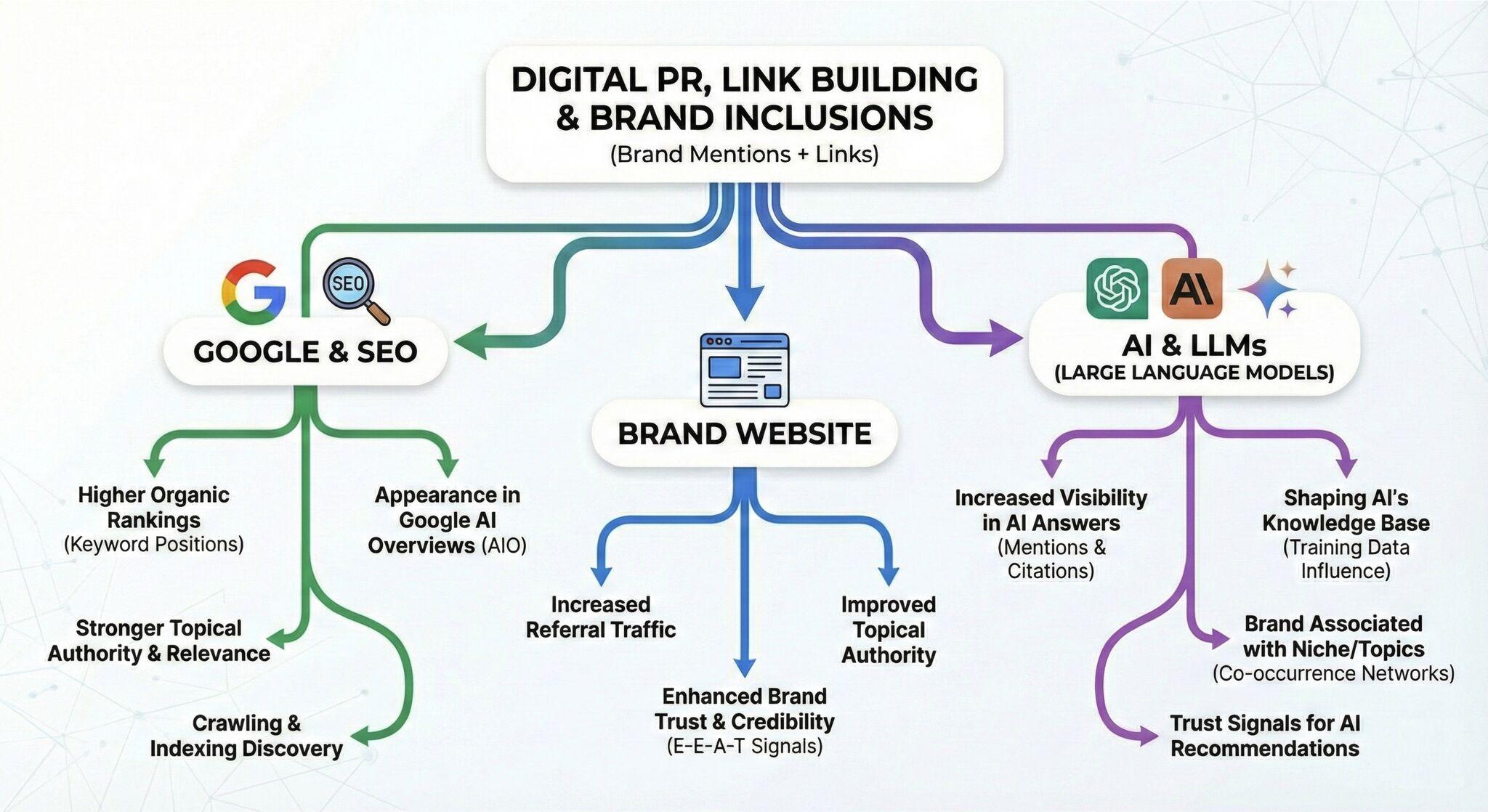
- AI search tools like ChatGPT and Google's AI Overviews pull answers from brands mentioned in trusted publications, not brands with a pile of paid backlinks.
- One mention in a respected outlet can drive more qualified traffic than dozens of spammy guest post links combined.
- Unlinked brand mentions still count as trust signals. Google doesn't need a clickable link to notice your brand shows up in credible places.
- Referral traffic from a real mention converts better because readers already trust the source before they land on your site.
- Cheap guest post links can violate Google's spam policies and put your whole site at risk of a manual action.
- Brand mentions compound over time. Competitors can buy links, but they can't fake years of earned credibility.
The Guest Post Playbook Stopped Working
Guest posting used to be simple. You'd pay for a placement, get a backlink, and watch your rankings climb.
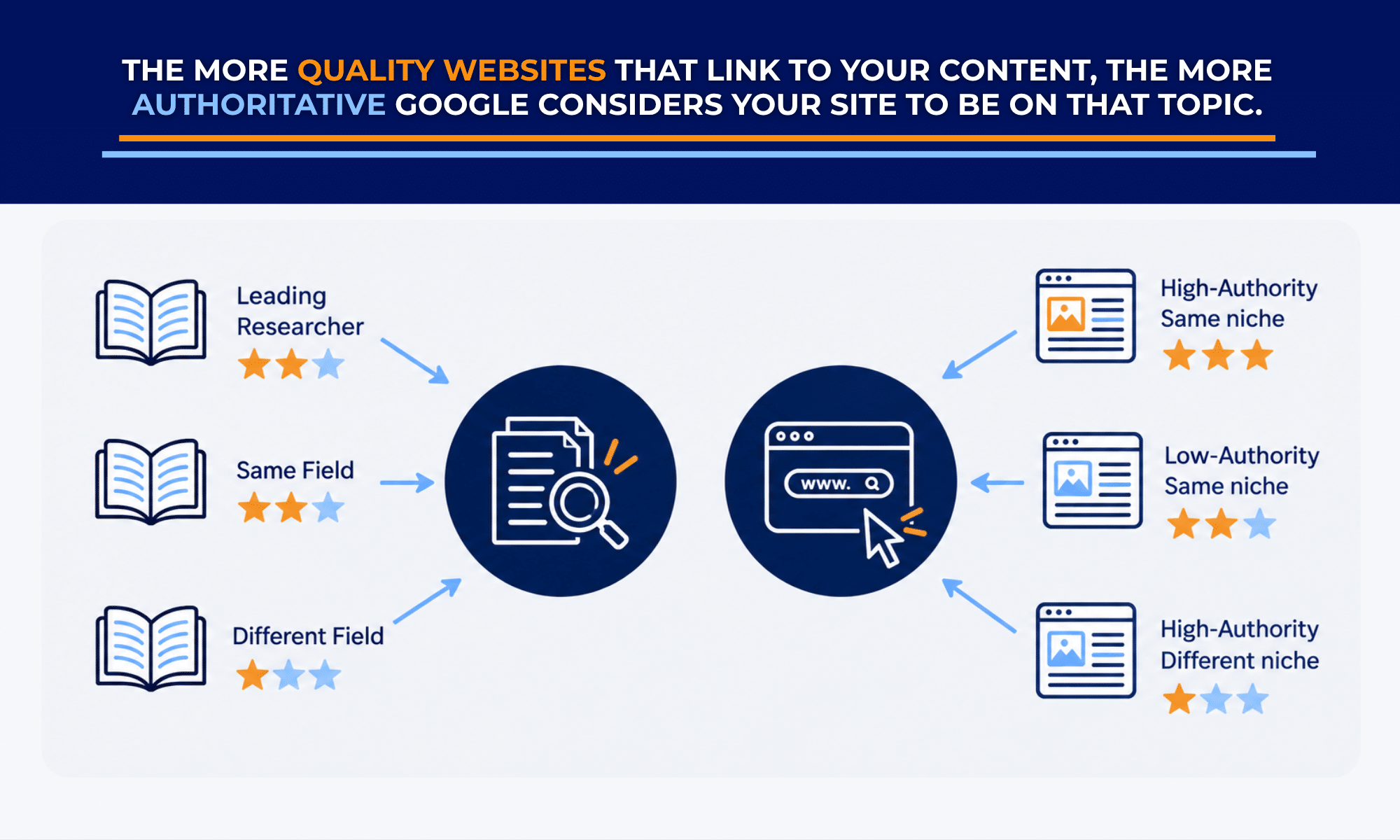
That playbook is dead. Google's spam policies now specifically target sites built to sell or trade links, and most guest post networks fall right into that category.
Think of Google's trust in a website like a credit score. Every mention from a credible source raises that score over time. Every spammy guest post works more like a payday loan. It might give you a short-term bump, but it costs you later when Google catches on.
Your team doesn't have time to chase links that could get your site penalized. You need signals that actually hold up.
AI Search Rewards Brands That Show Up in Trusted Places
Search doesn't work the way it did two years ago. Shoppers ask ChatGPT for product recommendations. They read Google's AI Overviews before they click a single link.
Here's the part most marketing directors miss. These AI tools pull their answers from sources they consider credible, and credibility comes from context, not link count.
Picture how you'd trust a product recommendation. A stranger's paid post on an obscure blog carries little weight. A mention in a publication your customers already read carries real weight, and AI tools are trained to notice that same pattern.
If your brand only shows up on sites built purely for link building, AI tools skip right past you. If your brand shows up in outlets your customers actually read, you become part of the answer.
Unlinked Brand Mentions Still Build Trust
Here's something that surprises most marketing directors. A brand mention doesn't need a clickable link to help your SEO.
Google's algorithms can identify your brand name, your product, and the context around that mention, even without a hyperlink attached. This is often called entity recognition.
Want AI doing the heavy lifting in your marketing?
I build the systems that handle the boring 80 percent, so you get your week back. Done properly, with the human kept in.
Think of it like your professional reputation. People vouch for you at conferences and in conversations without linking to your resume. Google reads the web the same way, connecting your brand to the topics and publications it appears near.
This changes what "good" link building actually looks like. The goal isn't stacking links anymore. The goal is showing up, by name, in places your ideal customer already trusts.
What Real Brand Mentions Look Like for Ecommerce Brands
Real brand mentions come from digital PR, not link farms. That means securing coverage in publications your customers actually read, not sites built to sell backlinks.
For ecommerce brands, this often means product roundups in relevant media, founder interviews, or data-driven stories reporters want to cite. Each one puts your brand name next to a source Google and AI tools already trust.
This work pairs directly with the technical and content foundation your site needs to convert that trust into sales. Break the Web's Shopify SEO services combine digital PR with technical optimization so mentions turn into rankings, traffic, and revenue, not just a nice screenshot for your slide deck.
How to Shift From Guest Posts to Digital PR
Moving away from spammy guest posts doesn't mean starting from zero. It means redirecting the budget you're already spending.
Start by auditing your current backlink profile. Flag any links from sites that look built purely for link selling, then plan to phase those relationships out.
Next, identify the publications your actual customers read and trust. Build a short list of five to ten target outlets tied to your industry, whether that's beauty, wellness, pets, or another niche.
Finally, pitch real stories, not product plugs. Reporters respond to data, expert commentary, and timely angles, not another guest post request.
Guest posts got your team a spreadsheet of links nobody trusts. Brand mentions get your team real traffic, real trust, and a better answer when your CEO asks what SEO is actually doing.