- The importance of conversion rate optimisation
- The importance of focusing on the customer
- How good is your traffic?
- Is your website relevant?
- The structural issues of a website
- The web copy
- Usability
- Segmenting your customers for conversion optimisation
- How to start planning your changes
- Useful tools:
- Conclusion
- Frequently asked questions
The importance of conversion rate optimisation
In order to be successful at conversion optimisation, it’s important to understand that online success isn’t just about how much traffic your website is getting, but also about how many conversions your website is making. The typical conversion rate is around 2-3%, which means that all of the revenue from your website is coming from less than 3% of your traffic. Not to mention, this traffic isn’t exactly free – you had to pay web designers to create the website, a hosting company to keep your website online, ads for drawing more traffic to your website, and those are just some of the costs you’ve had to make in order to get that traffic, directly or indirectly.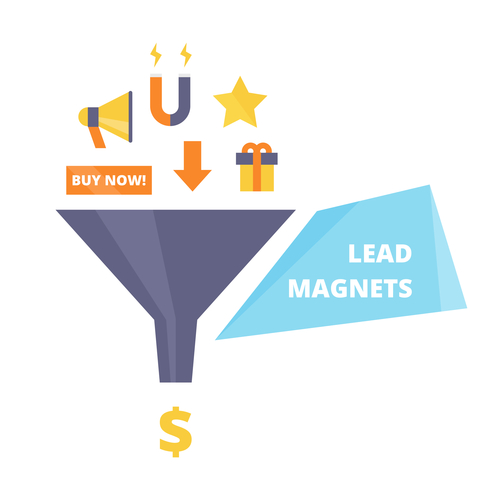
The importance of focusing on the customer
In many cases, businesses both small and big, are very divided between them. Often, there are different teams (or just one person in the case of smaller businesses), each dealing with their own set of tasks and they rarely collaborate between them. While this is great for businesses and makes their lives much easier, it isn’t always that great of a user experience. Consumers see a business as one, unified brand, and a disjointed experience can negatively affect their perception of your company, and even their trust. Customers are increasingly expecting a seamless, integrated experience – which means that businesses, more than ever, need to find ways of putting the customer at the centre of their efforts and provide them with a seamless experience whenever there is an interaction. It’s very important here to find ways of getting all of the different people in your team to collaborate between them in order to achieve your overall goals. [clickToTweet tweet="The importance of focusing on the customer #conversion #optimisation via @lilachbullock" quote="The importance of focusing on the customer #conversion #optimisation via @lilachbullock"]How good is your traffic?
One of the things we need to accept as website owners is that sometimes visitors are greatly affected by factors that are basically out of your control, which can then affect the number of visitors that ultimately become customers. Such issues are:- Environmental factors: these types of factors are things like economic news that might make people more reticent to buy, or even factors like the weather, depending on what type of business you have
- User environment: another factor that you can’t control is the environment where your visitor is accessing the website. They could be relaxed, alone at home or they could be surrounded by loud kids and constantly being interrupted. This can affect the way they browse your website, as well as what they buy.
- How many actual potential buyers are visiting your website day by day?
- What percentage of your website visitors are potential buyers?
- How much of your marketing budget is spent on bringing low quality, disqualified traffic?
Is your website relevant?
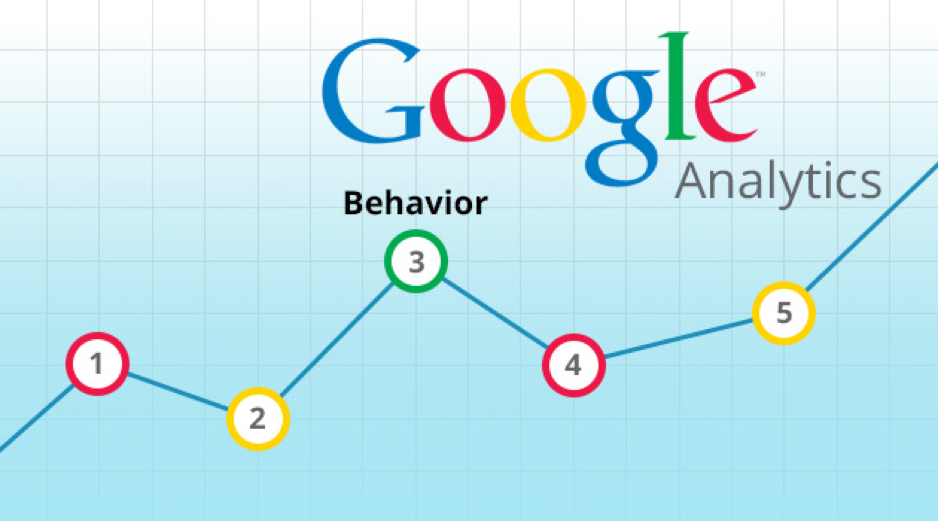
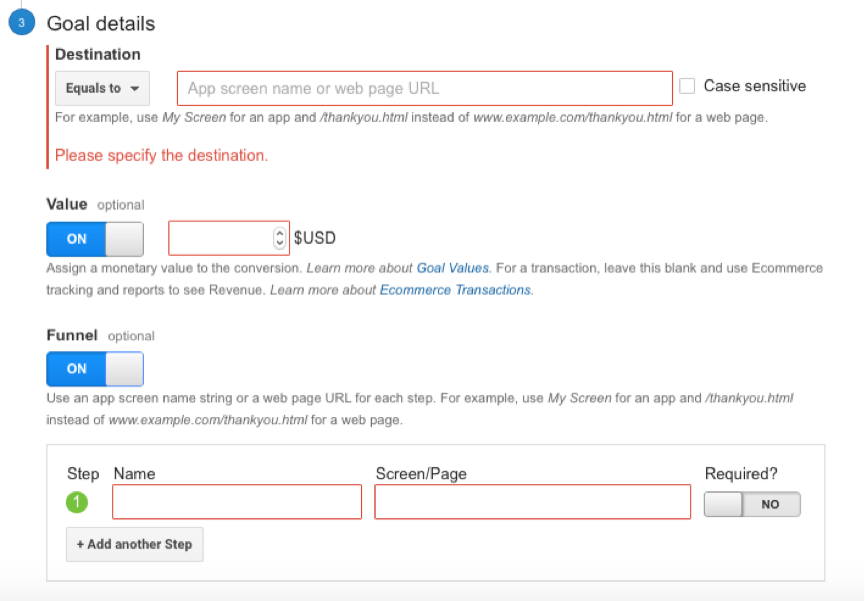
One of the most important factors determining your success rate is your website’s relevancy to the needs of your visitors. If you aren’t relevant, that means they will spend less time on your website and most likely not convert in any way. In order to find out if there are any problematic pages on your website, you need to use your web analytics in order to find the pages that:- Have high bounce rates
- Have high exit rates
- Have very little time spent on them generally
- Find out the keyword choice and intent of your visitors: do these keywords mean the same thing to both of you?
- Ease of use for internal search queries – how easy is it for your visitors to find the information they need on your website and travel different paths? When they leave, do they have any unanswered queries?
- Create compelling content and call to action – are each of your pages displaying all of the relevant information about your products, services or business? Is there a proper call to action to get your visitor to take action? You need to ask them to take action, or else they probably won’t
The structural issues of a website
While your website content is very important when it comes to making a buying decision, there are other issues that can be greatly affecting your conversion rate. Structural issues, for example, can hinder your visitors from finding the pages or information they want or they could be the fact that the website is not easy to read through or use on a different browser or device. This can have an impact on your conversion rate and leave your customers frustrated. That is why, whenever you are launching a new website or even making any changes to your existing website, you need to make sure your website works properly on all major Internet browsers, as well as on different types of devices. Viewing a website on a desktop can be a completely different experience than viewing it on the small screen of a smartphone, so it’s essential to optimize for all cases. It might seem like this is redundant – but to be honest, I still encounter quite a few websites that have these types of structural issues. In order to check how your website works on other browsers, and how your visitors will see them, you can use a tool like AnyBrowser or Browsershots.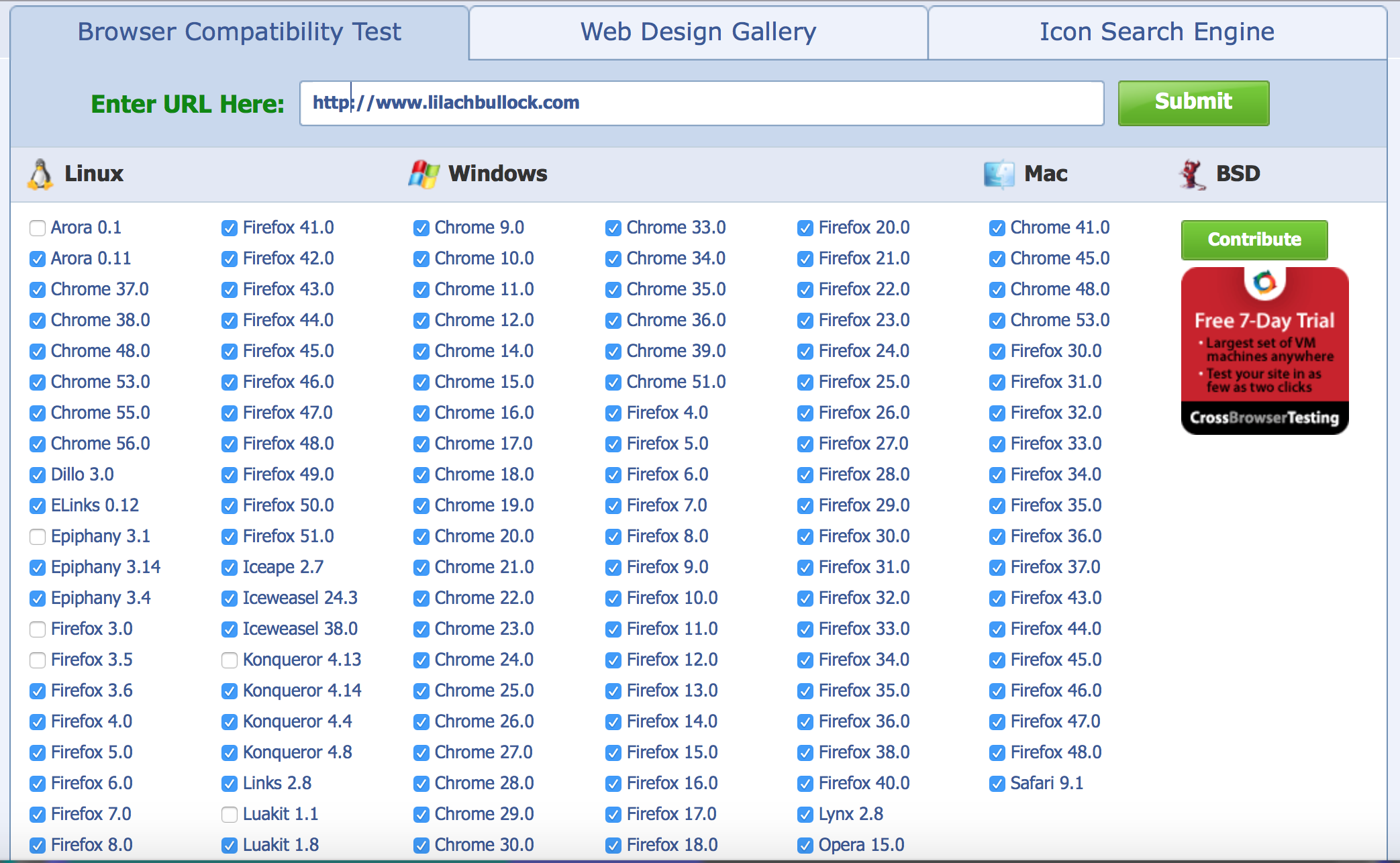
- Ensure that your website is easy to navigate and that the navigation and design are consistent with each other
- Run usability tests to see if your browser works properly on all browsers and devices
- Constantly check for any error logs and whenever you’re making changes to the website, check for any broken links
The web copy
Web copy is a big factor in a high conversion rate. As much as your website’s design and navigation is important, so is your web copy. When creating your web copy, you need to try to look at it from your customer’s perspective, as what might make perfect sense to you, could be confusing to your customer. You should try to refrain from using jargon that your audiences might not understand, as well as from being too sales-y. Rather, you should focus on getting your message across in a compelling, easy to understand manner. If your visitors don’t really know you and your business, your web copy, along with the design of your website and your calls to action can be critical to your success. It’s also good to check your copy’s readability; meaning, how easy is it for your visitors to read through it? Are they likely to finish reading or give up after a few words? Another step in improving your web copy is to check out your competitors. How does their copy compare to yours? Is it clearer, more actionable than yours? By knowing what your competitors are doing, you have more tools to help you find ways of differentiating yourself from them and standing out.Usability
As I mentioned before, the usability of your website can greatly affect your conversion rates. What is interesting about usability, is that it isn’t necessarily a direct motivation for the customer to convert. That said, a good customer experience, which ties directly with usability, is essential – or else, you might start losing customers that get frustrated while buying from your website. Usability can also help you build stronger, more trusting, relationships with your customers. The more pleasant their experience is with your website, the more likely they are to return to buy and remember you as a quick, easy to use online store. To find the perfect options for your website, the ones that attract the most conversion rates, you need to test different versions of your website with A/B testing. Make one change at a time and see which changes will help you get more conversion. This is very much a trial and error process, and even if from time to time there’s a change that reduces your conversion rates, don’t panic – it can easily be changed and that’s how you learn what works best for your particular website.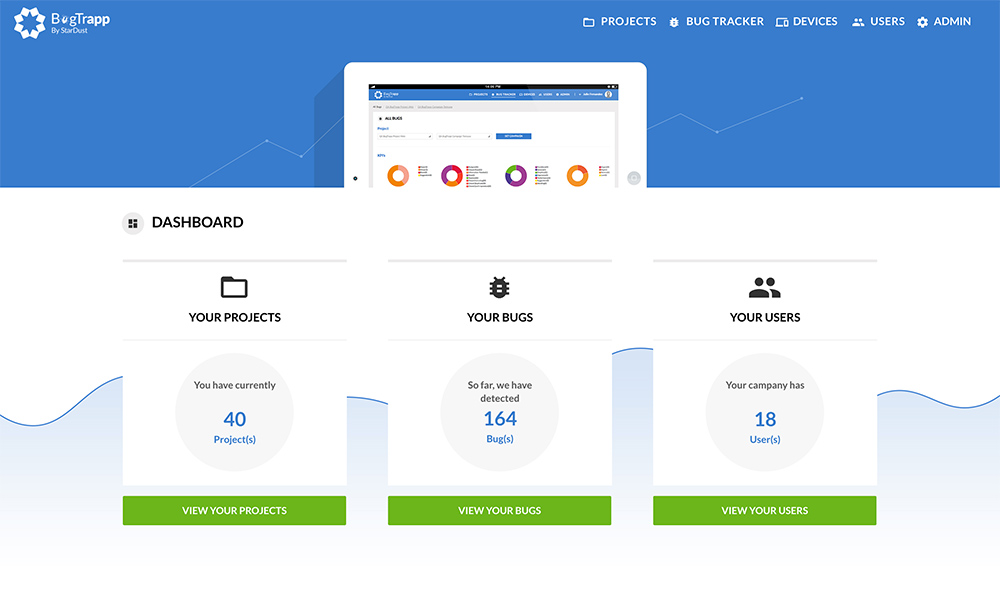
Segmenting your customers for conversion optimisation
Your website visitors are unique; they look for different things, are interested in different content and so on. Just like with email marketing automation, the best way to be relevant to your visitors and give them exactly what they are looking for, is that you need to separate them into different segments. This way, you will be able to improve your marketing messages to each different segment, which in turn will improve your conversion rate. When your visitors are at different stages in their buying process, or accessing your website for the first time, for example, they will also be looking for different information. If you’re not giving them what they’re looking for, it’s unlikely they will convert. Here are some examples of how you can segment your website visitors:- First time visitor vs. a returning customer
- Customers from different locations around the country or world
- Early morning vs. late at night visitors
- Who is buying your product?
- Who doesn’t want to buy your product?
- What are the reasons for them buying your product?
- What prices are they paying?
- Where are the places where they can buy your product, or your competitors’ similar products?
- Where are they starting to research your product?
- Think about what actions you want each segment to take
- What actions does each segment want to take and how does it differ from yours?
- Plan how each segment will journey to take the desired action
How to start planning your changes

- What pages, web copy etc. from your website are having the most issues converting?
- Which areas of your website need to be improved?
- What are the areas of your website you want to test?
Useful tools:
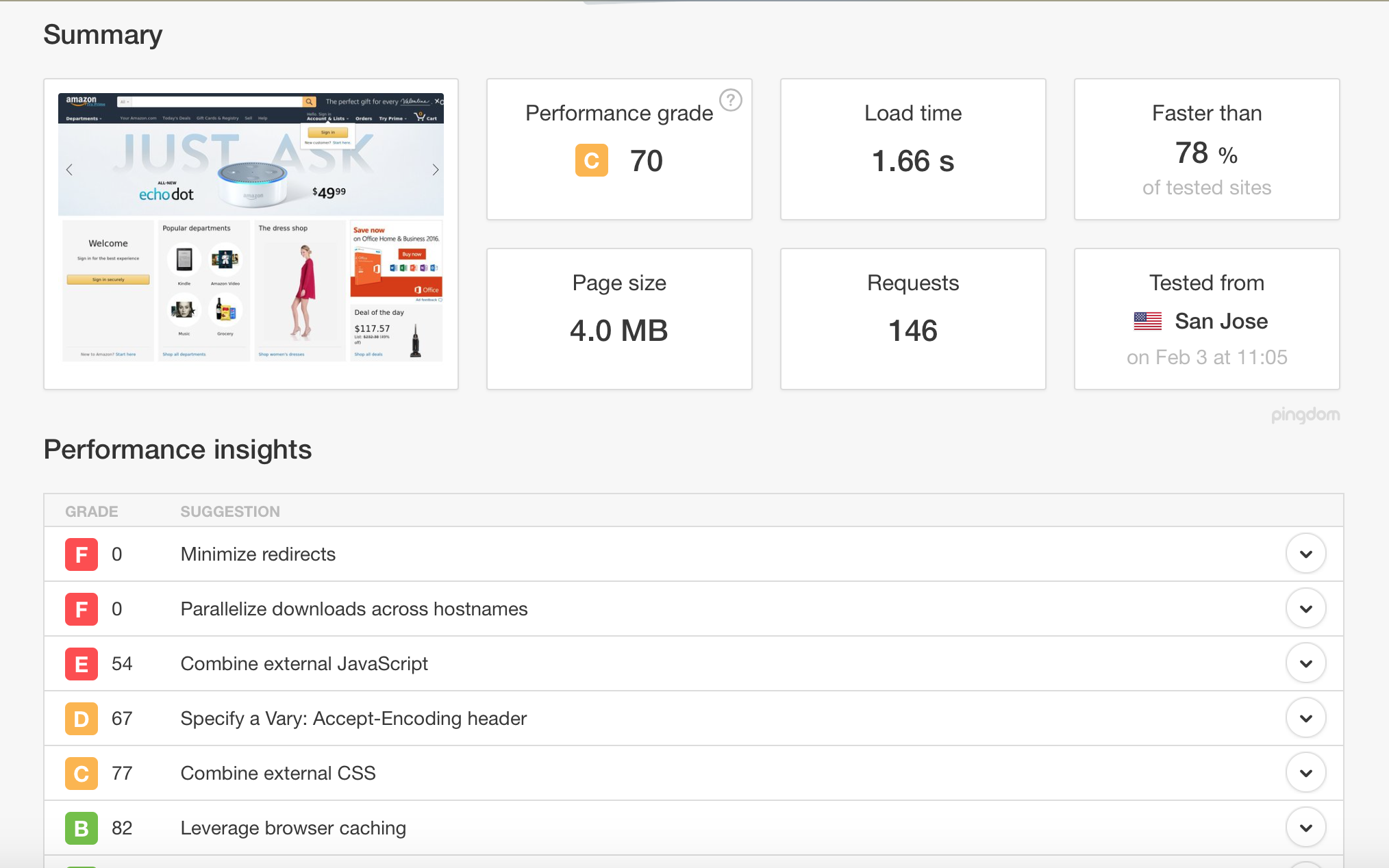
AnyBrowser – check how your website works on other browsers Browsershots – check how your website works on other browsers Xenu – check for broken links Pingdom – check your website speed GTMetrix – check your website speed StarDust – A/B Test your website VWO – A/B Test your website OptinMonster – Lead generation opt-in formsConclusion
There can be a plethora of reasons why your website isn’t converting – it’s not relevant to the visitor, it’s complicated to use and so on. Whatever it is, you need to look into these issues and solve them, if you want to improve your conversion rate and make more sales. What parts of your website have kept it from converting? Please let me know in your comments and please share:)Related reading: The Marketing Metrics That Matter for a Small Business.
The short version: Most websites fail to convert because they're focused on what you want to say rather than what your visitors need to hear. Your site needs clear value propositions, simple navigation, and genuine reasons for people to trust you enough to buy.
Frequently asked questions
What's the most common conversion killer?
Unclear messaging. Visitors should understand what you offer and why it matters within seconds. If they have to search for your value proposition, they'll leave.
How do I know if my website has a conversion problem?
Check your analytics for bounce rate and time on page. High bounce rates mean people leave quickly. Low conversion rates despite decent traffic suggest visitors don't trust you enough to buy or can't find the call-to-action.
Should I redesign my entire website?
Not necessarily. Start by testing specific elements: your headline, call-to-action buttons, form fields, and trust signals. Small changes often produce big results.
What role does trust play in conversions?
Trust is everything. Include customer testimonials, case studies, security badges, and real contact information. People buy from businesses they believe in, not just ones with pretty designs.
Want AI doing the heavy lifting in your marketing?
I build the systems that handle the boring 80 percent, so you get your week back. Done properly, with the human kept in.
Related reading: How to Use AI for Lead Generation in Travel Agencies.
Related reading: How to Use Automation to Reduce Customer Churn in a Small Business.
Related reading: How Much Do Graphic Designers Typically Earn in 2026.
Related reading: Do You Need Hosting for a Landing Page? Here’s the Straight Answer.