- Why email?
- Who should be using email marketing?
- How to get started with email marketing
- Incentives
- Explain what your emails are about
- The first email
- The regular newsletter
- Email and Mobile
- Email subject line
- Drip email marketing
- Segment your list
- Time
- A/B Testing/Split Testing
- Measuring your email marketing performance
- Conclusion
- Frequently asked questions
Want to perfect your email marketing campaigns? Are you just starting on building an email list? Whether you’re a complete beginner or simply want some tips on how to get more out of email marketing, read on for the ultimate guide to email marketing.
Why email?
Email marketing has been around for years now and it still is one of the top marketing channels for sales and driving more traffic. It’s pretty easy to keep up with once you’ve gotten the hang of it, and it brings in results, more so than many other channels:
- Get more traffic
- Reach more people
- Make more sales and conversions
- Keep your audience up to date with new releases
- Build stronger, more long lasting relationships with your audience
- And last, but not least, email is here to stay – at least for the foreseeable future!
Who should be using email marketing?
Email marketing is a channel that works across all types of businesses and websites; whether you have a small blog or a huge online or offline store, you would still benefit from using email.
How to get started with email marketing
The first thing to do as you get started is to establish what goals you want to achieve from your email marketing campaign. If you’re clear on what your goals are, it will help you create better campaigns so that you achieve exactly what you need to achieve.
Once you know what your goals are, it’s time to start building your list.
[clickToTweet tweet="How to get started with #emailmarketing via @lilachbullock" quote="How to get started with #emailmarketing via @lilachbullock"]
Incentives
People want to avoid spam at all costs and giving your email up left and right is asking for spam and phishing emails. Not to mention, the average email user is bombarded with emails every day, even when you can’t remember subscribing to any of them. So why would they want to subscribe to yours too? Why would they add to their growing pile of daily inbound emails?
In order to build up a good list, you need to offer them incentives that will make it worth their while to sign up for your emails. In other words, you need to provide value.
There are numerous types of freebies you could be offering as subscription incentives, such as:
- eBook
- Ultimate guide
- Checklists and cheat sheets
- Templates
- List of useful tools
- Educational podcast
- Educational video
[clickToTweet tweet="Setting up incentives for #emailmarketing via @lilachbullock" quote="Setting up incentives for #emailmarketing via @lilachbullock"]
There are many different types of incentives that you can offer, based on what type of business and website you have. The only thing you should keep in mind is that it has to be something that is of value to your audience. If you’re not sure what you could have to offer, one way to go about it is to study the competition and see what they’re giving away.
Explain what your emails are about
Apart from offering incentives to attract more subscriptions, another important aspect is to explain what your website visitors are getting into as subscribers.
There are several ways to go about this. For example, you can do it directly within your opt-in form:
“Subscribe for all the latest Facebook news and get this Ultimate Guide to Facebook Ads for free!”
You can also do it in your first email to a new subscriber. Use the opportunity to explain what you’re going to email them about, as well as to assure them that you won’t be bombarding them with emails, but rather send regular updates with useful information that they would benefit from. Look at it as a trade: you get to advertise yourself on a constant basis, while also providing them with something valuable to potential subscribers.
The first email
To create a good email marketing campaign, you need to make sure all of your subscribers get an introductory first email right after they’ve subscribed.
Take the opportunity to thank them for subscribing to your newsletter and, like I mentioned earlier, to explain what you’re going to email them about in the future.
Make sure to also highlight that they can easily unsubscribe if they want to; otherwise, you’re going to alienate visitors and potential customers.
These are some of the main things you should inform subscribers about in your first email:
- How often you’re going to email them
- What you’re going to email them about
- Will they be getting any more exclusives?
- How can they unsubscribe?
The regular newsletter
Over the years, I’ve made mistakes and learned a lot while sending out newsletters to my lists.
Now, I found the best use of a newsletter is to use it as a way to update your list on recent events and blog posts and also include a personal touch. Newsletters are perfect for cementing relationships with your list, while also driving a little bit more traffic to your website.
When it comes to newsletters, I feel like it’s a good opportunity to show some of your personality and share some personal things about your life.
[clickToTweet tweet="The ultimate guide to #emailmarketing via @lilachbullock" quote="The ultimate guide to #emailmarketing via @lilachbullock"]
Email and Mobile
This means that you should make sure your emails are properly optimised for phones and tablets so that they are easy to read on whichever device your subscribers choose to use.
Email subject line
Your emails’ subject line is one of the most important aspects of a good email, as it’s what determines if your subscribers are going to open the email and read it.
To put it simply, you need to keep your subject line short and sweet and not too sales-y. From here, it’s a question of trying to attract your subscribers’ attention in a long list of unopened emails.
It’s quite similar to blog posts and their headlines – in both cases, the titles are the main deciding factors for opening and reading them. If the headline is not good enough, or catchy enough, you simply won’t get the click; or in this case, you won’t get your email opened.
Drip email marketing
Drip email marketing or email automation marketing is a way to make sure all of your new subscribers get the emails that you want them to see.
Most subscribers only the latest emails you’re sending out, but with email automation, you can make sure none of your important messages are lost. Drip emails can also help you retain more subscribers and turn more subscribers into customers – when done right!
There are two main ways to set up a drip email marketing campaign: create a specific timeline for sending a set of emails to new subscribers or send specific emails based on your subscribers’ actions.
This can all sound daunting, but with the right tool, it can be easy to set up and the best part? You get to write all of your emails in one go, and the automation service does all of the work for you!
Want AI doing the heavy lifting in your marketing?
I build the systems that handle the boring 80 percent, so you get your week back. Done properly, with the human kept in.
Here are a few situations in which drip emails can get you better results:
- New subscribers and buyers: whether they’ve recently purchased one of your products or services, or simply subscribed to your email list, this is the perfect time to reach out to your new users and welcome them. Have they just bought something from you? Send them a couple automated emails that can help them make the most out of their buy, such as top tips, case studies and examples they can use. Have they subscribed to your blog? After sending them a welcome email, you can send them a list of all your best blog posts
- Reengage unsure customers – more often than not, people will abandon their shopping carts when shopping online, whether it’s a physical or digital product. A few emails sent at a strategic time though, can help bring them back and turn them into customers. Wait a few hours after they left your website and then send them an automated email reminding them their shopping cart is still there and you’re massively improving the chances that they will come back and actually buy.
[clickToTweet tweet="Drop #emailmarketing and marketing automation via @lilachbullock" quote="Drop #emailmarketing and marketing automation via @lilachbullock"]
Segment your list
By segmenting your list, you can send better emails to the right people, which in turn, improves your open and click rates. List segmenting works hand in hand with drip email marketing, so by setting up both, you have the potential to massively improve your results.
By properly segmenting your list, you can also get fewer un-subscribers. If you are only sending them emails that they would be genuinely interested in, then they’re more likely to remain subscribers.
How you segment your list is completely up to you; to give you a few examples, you can segment them
- By the date they joined your subscriber list
- By interest
- By customer type and past purchases
- By location, age and gender
- By job title and industry
- By shopping cart abandonment
[clickToTweet tweet="Segmenting your #emailmarketing list via @lilachbullock" quote="Segmenting your #emailmarketing list via @lilachbullock"]
It’s up to you how you segment your list and it can vary depending on your type of business and how your list interacts with you. But good segmentation, coupled with an appropriate drip email marketing campaign can really improve your results and help you achieve your goals much faster.
Time
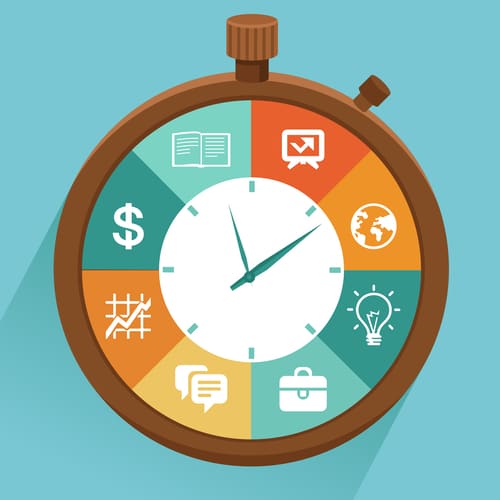
For example, don’t send out your emails in the middle of the night, when your audience is sleeping (this is particularly important for businesses operating in different time zones) or Friday at 5 p.m. when most people are getting ready for the weekend and not as interested in checking their emails and such.
The best time to send out emails is when not only are they getting them while they are at their computer or phone, but also when they have the time to take action. If you’re emailing your list about a new blog post on Friday evening, they will most likely prefer to get ready for a night out then start reading another article. And by the time Monday comes, they’ll completely forget about your email and have many other emails that need dealing with. The best time to send your emails differs, so the best way to find the right days and times for you, use split testing.
A/B Testing/Split Testing
In order to get the most out of your email marketing and make sure you get more clicks, leads and conversions, use split testing to perfect your strategy and campaign.
With split testing, you make small changes in your emails and try out the two versions to see which one gets you the best click through rate. The best way to go about it is to only test one change at a time; otherwise, you might not know exactly what it was that got you better results.
There are several things that you can change in your emails and test, such as:
- Subject line: the more you test out different types of subject lines, the more you’ll be able to tell what type of headline works best with your audience
- Time: as I mentioned earlier, the time you send out your email can have a big impact on its success and click through rate
- Call to action: if your email contains a call to action, try out different wordings to see which ones get the most conversions
- Email layout: try out different placements of your email content, different spacing, etc.
- Email content: it’s also useful to try out different wording in your email until you find the style that your audience responds best to
- Images
- From name: the name you use can have an impact on your clicks; for example, it could work better if you use your company name, or you could get more people to open it if you used your real name
Measuring your email marketing performance
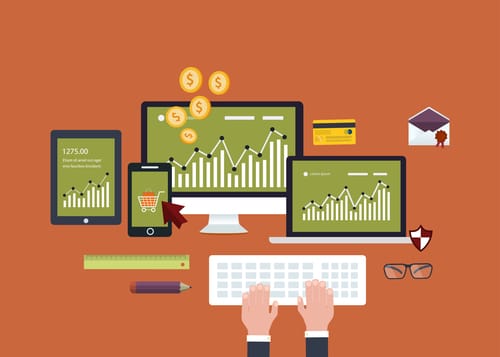
Thankfully, email marketing tools have built-in analytics and they generally have all the stats you need in order to make an informed decision.
It’s important to check your analytics often so that you can make changes to future campaigns:
- Opt-in forms: which opt-in forms are getting you the most subscribers and which the least? See if you can find a common link among the best, as well as the worst and use that information to create better, more engaging subscription forms.
- Open rate: which emails are getting the biggest open rate and why? This can help you figure out what types of subject lines attract your subscribers’ attention the most. A good open rate over more of your emails can also mean that you’ve managed to build a good relationship with your subscribers, while if most of your emails don’t get opened, that could mean your subscribers are deleting them instantly or simply ignoring them.
- Click rate: Which emails are getting the most clicks? The click through rate usually has to do with the content of your email. They’ve already opened your email, so it’s fair to say they were interested enough to read it or quickly go through it. So why aren’t they clicking on your links? In most cases, it’s because you haven’t managed to convince them with your copy that they should click.
- Unsubscriptions: find out at what point users are unsubscribing. With this information, you can make changes to the offending emails and try to get fewer unsubscriptions in the future. A high unsubscription rate can also be a sing of no segmentation or bad list segmentation. If you strive to only send the different members of your list emails that they would be interested in, you can get fewer unsubscriptions.
Conclusion
A good email list still is and most likely will continue to be one of the top resources you can have as a business or marketer. And while it can be a lot of hard work to keep up a strong email marketing campaign, the results make it well worth it.
What are some of your tips for writing better emails? How are you improving your open rates and click-through rates? Let me know in the comments section and please share if you enjoyed this post ?
I go much deeper on this in the email marketing guide.
Related reading: A Marketer's Checklist for AI-Ready GTM Data.
Related reading: What Determines the Ideal Size for an Instagram Story Image.
For the practical version of this, see email marketing write for us page.
Bottom line: Email marketing still delivers one of the highest returns of any digital channel, but only when you combine a clean, permission-based list with content that solves a real problem for your subscriber. Success comes down to three things: sending the right message, to the right person, at the right time. Get the basics right and email becomes a predictable revenue channel, not just a newsletter.
Frequently asked questions
How often should I send marketing emails?
Most businesses do well sending one to two emails per week. What matters more than frequency is consistency and relevance, so pick a schedule you can maintain with quality content and stick to it.
What is a good email open rate?
Average open rates typically fall between 15 and 25 percent depending on your industry. If you're below that range, focus on your subject lines, sender name, and list hygiene before changing anything else.
How do I grow my email list?
Offer a specific, useful lead magnet like a checklist, template, or short guide in exchange for an email address. Promote it on your website, social channels, and at checkout, and always use a clear opt-in to keep your list quality high.
Is email marketing still effective in 2024?
Yes. Email remains one of the few channels you fully own, unaffected by algorithm changes on social platforms. It continues to produce a strong return on investment, often cited around 36 to 42 dollars for every dollar spent.
Related reading: How Much Does Podcast Equipment Really Cost? A Real 2026 Breakdown.