



Who are Micro-Influencers?
Micro-influencers have large followers but they are not celebrities. They have gained popularity for their knowledge in a specific niche or for sharing helpful content in a variety of formats such as videos and images. Micro-influencers have a follower base in the range of 10k and 100k. They generally have a more engaged follower base compared to celebrity influencers with millions of followers. The best part about micro-influencers is that they have loyal audiences. The strong level of trust their followers have in them can help you convert those followers into customers. Micro-influencers are very protective about their relationships with their followers and it reflects in the content they produce. So it’s no wonder why they have very loyal audiences who often base their purchase decisions on the influencers’ posts. A study conducted by Experticity revealed that 74% of micro-influencers share direct recommendations for products they like. This makes people more inclined to try out that product. Naked Juice, a bottled smoothie brand, partnered with an influencer, Kate La Vie, to promote their products. Kate La Vie shared sponsored posts featuring her daily outfits and beauty essentials. Naked Juice was strategically placed in the mix.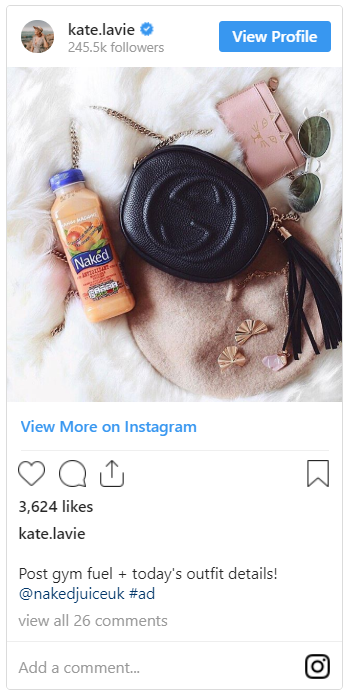
Here's how much a million Instagram followers can earn and what changes the number.
Is It Worth It?
The answer to this question is a big “yes.” Finding the right micro-influencer can take significant time and effort. But the effort is well worth it, considering their high engagement rates. Micro-influencers have garnered the trust of their audiences and have immense potential to convert followers into customers. Running marketing campaigns with micro-influencers on board is worth the money. It’s a powerful way to promote products and services, especially for smaller brands that can’t invest a lot in marketing.Benefits and Drawbacks of Micro-Influencers
Working with micro-influencers can be powerful, but it also has its share of downsides. Let’s explore the benefits and downsides of partnering with micro-influencers.The Good Side
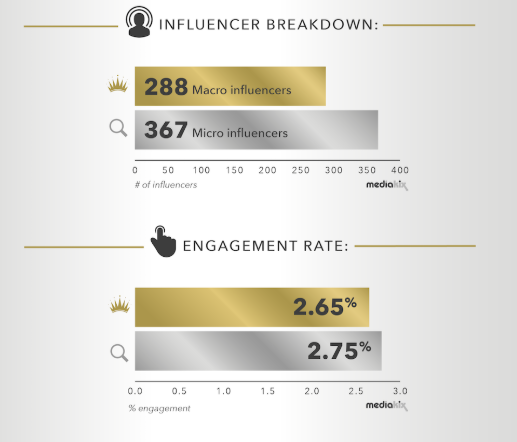
Let’s take a look at the major benefits of working with micro-influencers. They Have Highly-Engaged Followings Would you like to reach 10,000 highly targeted people who would like to try your product? Or would you rather reach out to millions but only attract a few hundred people who may actually interested in your product? This is a question every brand needs to ask before they plan their marketing strategy. Micro-influencers might not come close to macro-influencers in terms of follower count, but they have highly engaged followers. Their followers value the influencer’s opinions and trust them for product advice and recommendations. 84% of micro-influencers recommend products or services at least once a week. 99% of them claim that they believe in what they sponsor. They are more efficient in influencing their followers compared to celebrity influencers. Cost-Effective with a Higher ROI If you can’t translate your marketing efforts into sales, don't lose heart. Micro-influencers charge less than macro-influencers because they work with a relatively smaller follower base. However, their posts drive more shares and have higher engagement rates. Apart from the low cost, there is also less competition which means more engagement for your brand. If you are still contemplating partnering with a celebrity influencer, remember that you are up against many bigger brands. Your sponsored post might get hidden and mixed with others, which may not be the ideal marketing campaign for a smaller brand.The Not-So-Great Side
Posts from micro-influencers do a lot better than any other social media posts, but there are also a few drawbacks. Smaller Following Might Affect Your Goals The obvious downside is in the name “micro.” A smaller following means you will not be able to reach as many people, compared to a macro-influencer. But a micro-influencer takes the cake when it comes to comments, content entries, and traffic. A survey conducted by Uproar PR found that 72% of consumers trust micro-influencers with 68% inclined towards making a purchase based on their posts. However, it ultimately depends on your brand and your goals. It’s a matter of whether you need huge exposure in one go or whether you want to take baby steps and reach your core target audience first. Micro-Influencers Have Little Experience Macro-influencers often have many brands approaching them regularly for sponsored posts. They also usually have several years of experience creating content for their handles. Micro-influencers create content that genuinely help their followers. That’s why they have such a high engagement rate. But because not many brands approach them for partnerships, they get less opportunity to work with brands. So they have less experience working on campaigns.Find the Right Micro-Influencers
Now you know more about micro-influencers and the ways in which they can help your brand grow. Moving on, the next step is to identify the right micro-influencer in your niche. Let’s go through some strategies that can help you land the right micro-influencers for your campaign: Use Tools to Find the Perfect Micro-Influencer Finding the right micro-influencer is a time-intensive job when done manually. It can easily take a few hours to a few days to find the right micro-influencers. You can significantly cut down that time by using professional influencer discovery tools. These tools can help you discover micro-influencers within your niche and location in a matter of a few minutes. Influencer networks like influence.co is another great option. It has a huge database of micro-influencers from around the world. You can search for influencers based on filters like niche, location, rates, follower count, engagement rate, and more.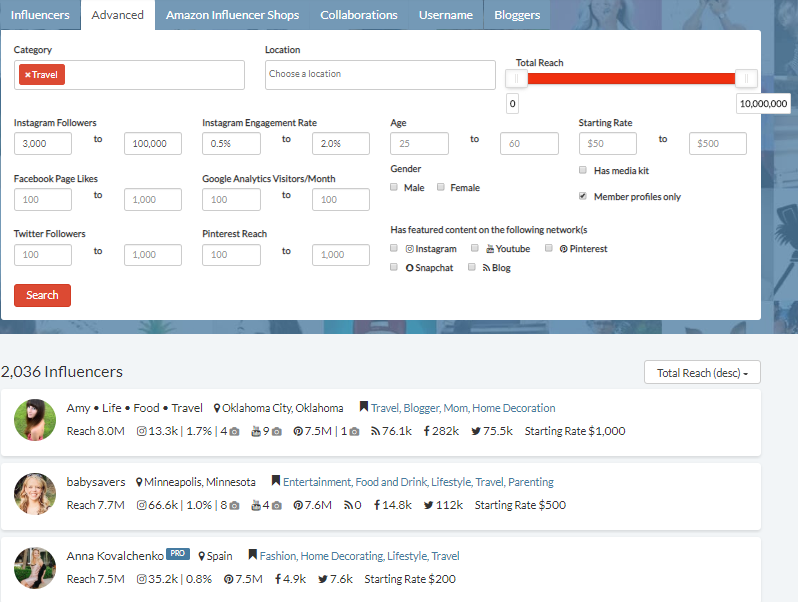
Takeaways
Influencer marketing is a powerful way to reach your target audience. Since micro-influencers offer a better ROI at a much lower cost, you can start partnering with a few micro-influencers to gain initial traction. At a later stage, when you are ready, you can always work with macro-influencers or celebrities to scale your campaigns. Or you can expand your network of micro-influencers. With an increase in the Instagram user base and an ever-growing number of micro-influencers, brands have a bigger pool of micro-influencers to choose from. An ideal micro-influencer is one that has your target audience as their followers and has a high engagement rate. If you have any questions about micro-influencers or how to find the right one to promote your brand or product, feel free to drop a comment below.About the author:

Related: how to make money on Instagram with 1k followers
Worth reading next: find connect influencers scale.
Bottom line: Micro-influencers on Instagram typically have between 10,000 and 100,000 followers and tend to drive higher engagement rates than bigger accounts because their audiences trust their recommendations. Brands often see stronger ROI working with several micro-influencers instead of one big name, since the cost per post is lower and the content feels more authentic.
For the rest of the Instagram questions, see my Instagram guide.
Frequently asked questions
What counts as a micro-influencer on Instagram?
Most marketers define a micro-influencer as someone with roughly 10,000 to 100,000 followers. They sit between nano-influencers (under 10,000) and macro-influencers (over 100,000), and they're known for having tighter, more engaged communities built around a specific niche.
Why do micro-influencers get better engagement than celebrities?
Their followers usually joined because of shared interests, not fame, so comments and likes come from people who care about the topic. This closeness makes recommendations feel more like advice from a friend than an ad.
Want AI doing the heavy lifting in your marketing?
I build the systems that handle the boring 80 percent, so you get your week back. Done properly, with the human kept in.
How much do micro-influencers charge for a sponsored post?
Rates vary by niche and platform, but many charge anywhere from $100 to $500 per post, sometimes negotiating product exchanges instead of cash. Compared to macro-influencers or celebrities, this makes them a budget-friendly option for testing campaigns.
How do I find the right micro-influencers for my brand?
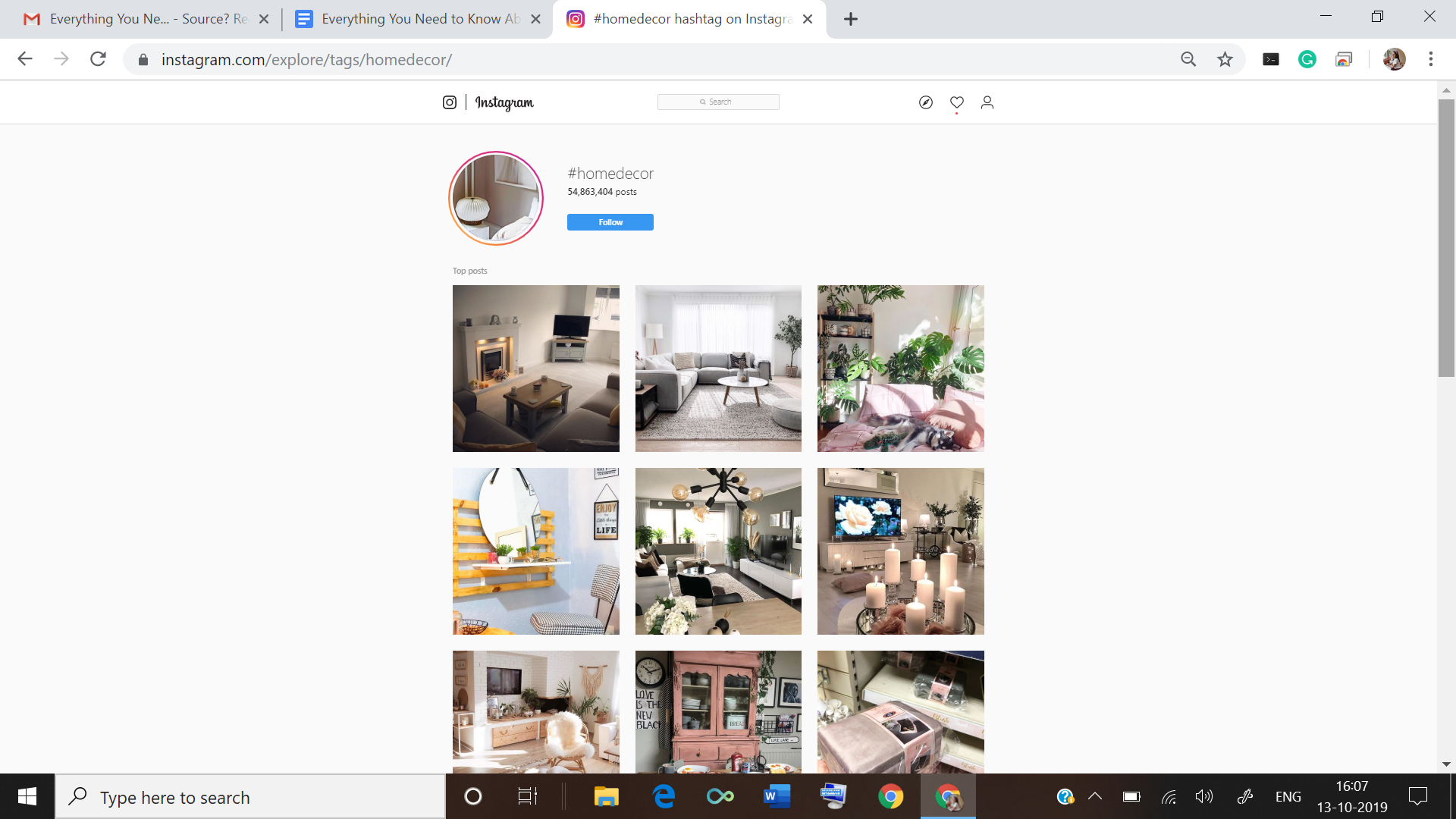
Start by searching relevant hashtags and checking who consistently posts quality content in your niche, then look at their comments to gauge real engagement, not just follower count. Tools that track audience demographics and past brand partnerships can also help confirm a good fit.
If you would rather a platform do the matching: how Social Cat matches brands with micro-influencers.
For anything else on Instagram, see the Instagram troubleshooting index.

