Set It But Don't Forget It: How to Use Email Marketing Automation
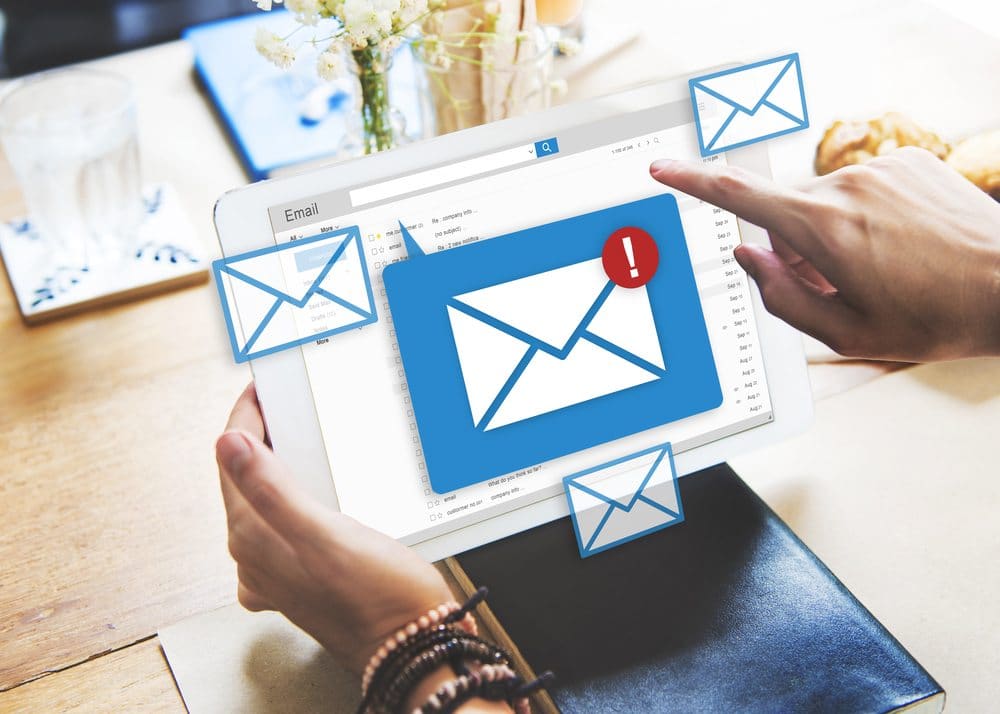
Set and forget?

How to optimise your marketing automation
There are two primary ways to go about maintaining that garden you’ve lovingly created:- Cleanse and segment your data
- Optimise and perform A/B testing
 The first of these should be axiomatic. You want to keep your marketing lists up to date because that lowers the rejection rate and saves money on your monthly plan. There’s no point in retaining a 100k mailing list for the bragging rights, knowing that half of those addresses are dead or inactive. Periodically prune your list and not only will you save money, but you’ll see your open rate go up. With more ‘active’ data to focus on, you’ll now be able to get a better feel for your audience, and will gain a deeper insight into their needs.Once you’ve gotten into the habit of periodically cleansing your lists, and have begun paying close attention to the clues that are scattered throughout your analytics, you’ll be in a position to segment your lists. If a subset of your audience is particularly responsive to messages based around a specific topic, filter these into a separate list and then give them more of what they crave. Don’t go overboard though: if you’ve ever bought a product from Amazon and then been bombarded with emails begging you to buy countless variations of the same product, you’ll understand. There’s only so many cheese graters you can buy and there’s only so many times you can market a specific product at your email list.
Optimising your marketing emails
If we jump back to the garden analogy for a moment, when you plan that green and leafy space, you’ll have an idea of the plants you want and where you wish to place them. Fast forward six months and your marigolds are suffering because they’re not getting enough sunlight. That’s when you step in and rejig – or optimise – your garden. There are all kinds of variables you can optimise and alter with your email marketing, and you might be surprised at just how much difference the tiniest of changes can make. That’s why you A/B test. Subject lines is an obvious example, and one of the easiest to tinker with: many email providers will let you live test two different subject lines on a small section of your list. The remainder of the mailshot will then be sent out to the version that’s recorded the best open rate. You can manually do this yourself though: devise a handful of strong subject lines for each automated email and test each one in turn. That’s the beauty of having a database: in addition to being your audience, they’re also your guinea pigs, a live test group whose every action or inaction feeds into your analytics and helps you optimise your emails.
Worth reading next: real examples of AI automation for marketing teams.
Free resource: grab the abandoned cart email swipe file.
The Automation Audit I Do Every 90 Days (And What I Almost Always Find Broken)
Most marketers build an automation sequence, feel satisfied, and move on. I did the same thing for years until I discovered that a welcome sequence I had running for eight months was sending a promotional offer for a product I had retired. Subscribers were clicking, hitting a dead page, and quietly unsubscribing. I had lost hundreds of potential customers without a single alert telling me something was wrong. That experience taught me that automation is not a "set and occasionally glance at" system. It requires a structured review on a fixed schedule.
Every 90 days I run what I call a full automation audit, and it takes about three hours. I export the performance data for every active sequence and look at four numbers specifically: open rate, click-to-open rate, unsubscribe rate per email (not per sequence overall), and conversion rate on any email that contains a call to action. If any single email inside a sequence has an unsubscribe rate above 0.5%, that email gets rewritten before I touch anything else. In my experience, a spike in unsubscribes on email three of a five-part sequence almost always means the tone shifted too hard toward selling, too fast.
Here is exactly what I check during each audit, in order:
- All links in every email (dead links are more common than you think, especially after website migrations)
- The logic conditions on every trigger, because audience segments drift and what qualified someone for a sequence 90 days ago may no longer be accurate
- Subject lines on emails that have been running longer than six months, since language that felt fresh in January reads as stale by October
- Whether any email references a season, a news event, or a promotion that is no longer current
- The sender name and reply-to address, because these quietly break when teams restructure
The finding that surprises people most when I share this process is how often the middle emails in a sequence are the weakest performers, not the first or last. Email one benefits from novelty and email five often has urgency. Emails two, three, and four tend to coast on assumed goodwill. When I rewrote the middle three emails in my lead nurture sequence in 2023, replacing vague "here are some tips" content with one specific case study per email, the click-to-open rate on those emails went from 9% to 22% within the next 60 days. The sequence had been running for over a year and nobody had questioned why those middle emails underperformed.
My honest opinion, which most automation guides will not tell you, is that the longer a sequence has been running without review, the less it reflects who your audience is now. Your subscribers from three years ago had different concerns, different awareness of your brand, and different competing pressures in their inboxes. Automation ages. Treat a 12-month-old sequence the same way you would treat a 12-month-old piece of cornerstone content: assume it needs updating until you have checked the data and confirmed otherwise. The sequences that perform best for me are the ones I have rewritten at least twice, not the ones I got right on the first attempt.
The short version: Email marketing automation saves time and drives results, but only if you check in on your sequences regularly and adjust them based on real performance data. Setting up a welcome series or abandoned cart flow is just the start - the magic happens when you treat automation as a living system, not a one-time task. Review your open rates, click-through rates, and conversions at least once a month to make sure your automated emails still speak to where your audience is.
Want AI doing the heavy lifting in your marketing?
I build the systems that handle the boring 80 percent, so you get your week back. Done properly, with the human kept in.
Related: marketing automation: guidelines and how to pitch.
Frequently asked questions
What is email marketing automation and why does it matter?
Email marketing automation lets you send targeted, timely emails to subscribers based on their behavior or a set schedule, without writing and sending each one manually. It matters because it keeps your audience engaged consistently, even when you are busy running every other part of your business. Done well, it builds trust and drives sales around the clock.
How often should I review my automated email sequences?
A monthly check is a solid minimum for most small businesses, but if you are running a high-volume list or a time-sensitive campaign, look at the data every two weeks. Watch for drops in open rates or spikes in unsubscribes, as those are clear signals that something in your sequence needs updating.
What are the most important automated email flows to set up first?
Start with a welcome sequence for new subscribers, since first impressions shape the entire relationship. After that, an abandoned cart flow and a re-engagement sequence for inactive subscribers will cover the most common revenue recovery opportunities for most businesses.
Can automation make my emails feel too impersonal?
It can, if you rely on generic copy and never segment your list. The fix is to write your automated emails in a conversational tone, use your subscriber's first name where it fits naturally, and group your audience by interests or behavior so the content stays relevant to each person receiving it.