


- Not knowing your audience
- Not collecting emails
- You're inconsistent
- You're not optimizing for search engines
- You're making it all about you
- Your blog posts aren't readable/are badly structured
- Your headlines are bad
- Your blogs are poorly edited
1. Not knowing your audience
One of the most common mistakes bloggers make is that they don’t know who their target audience is. They will create content about everything and anything, with no regards towards what their readers (or potential readers) would want to read, see or hear. Before you start writing, you have to have a clear image of who it is you want to target. Afterwards, you need to research what your target audience wants to read about. The trick here is that you need to strive to only provide value to your readers – which means you need to do some research before putting pen to paper. Or rather, finger to keyboard. In other words, you need to:- Research your target audience
- Create personas for each reader type (i.e. a short documented outlining their interests, needs, passions and so on); here's an example of a very basic audience persona document:
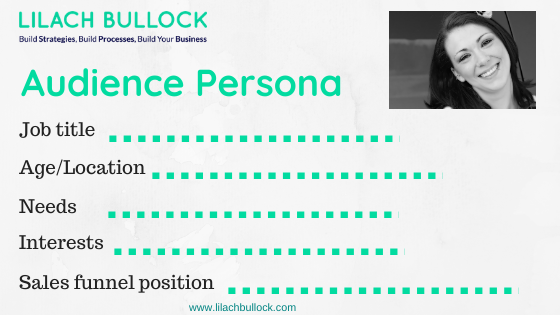
- Research these audiences to understand what type of content they want to read, what formats they prefer, what pain points they have, etc.
- Create content specifically for that audience
2. Not collecting emails

- Advertise your newsletter throughout your blog/website so that it's very easy for readers to sign up
- Create incentives based on your research: what questions does your audience have? What kinds of resources do they need? Offer a blog-wide resource that appeals to a large proportion of your audiences, such as a guide to getting more traffic or a handy checklist
- Create in-blog downloads: for example, if you wrote an extensive guide about Facebook ads, you could also offer it as a PDF to be downloaded - in exchange, readers will sign up to your list. This is a very simple (and quick) tactic that can help you generate some great results
3. You're inconsistent
Many new bloggers start strong, but as time passes, they start to become inconsistent: not blogging often enough, not engaging with their readers, writing sub-par, filler articles just to publish something and so on. Considering the number of bloggers and the content that bombards us every day, being inconsistent can be a fatal mistake as a blogger. Your readers will forget about you quickly and you will lose all of the hard-earned traffic sources. Before you start blogging, try to organise your tasks in a realistic way so that you always know what you have to do. Create an editorial calendar - grab a template here to get you started - weeks or even months in advance. This also gives you time to properly research any content before you create it so that you can make the most out of every blog post you publish. After publishing a new blog post, make sure you have enough time to properly promote it - generally, you should spend just as long promoting your content as you do creating it! [clickToTweet tweet="8 Common #blogging mistakes to avoid via @lilachbullock" quote="8 Common #blogging mistakes to avoid via @lilachbullock"]4. You're not optimizing for search engines

5. You're making it all about you
This is a bit of a difficult one; on one hand, injecting personal stories into your content is a great idea. Plus, many people follow certain blogs simply because they want to know more about the person writing that blog. But at the same time, if you have a business blog or you offer some kind of service on the back of your blog, then making it all about you and your business or your products/services will almost certainly have a negative impact on your success. For example, there are so many business blogs out there that only talk about themselves; they use the blog as some kind of press release service exclusively focusing on their business - why would anyone want to read that? There's almost no value for people to read those posts, particularly for someone who isn't familiar with your business. Likewise, if you're constantly promoting yourself or your products/services in your content, it can put people off. On the other hand, brands like Hubspot and Buffer are great examples of content marketing/blogging done right: while they certainly promote themselves, they only do it occasionally and when it makes sense. And most importantly, they make sure that their content isn't all about them: the goal is clearly to provide value first.6. Your blog posts aren't readable

- Use sub-headlines throughout your blog
- Write using short sentences and paragraphs
- Break up your content with relevant images, GIFs, videos and other visual aids
7. Bad headlines
Titles are what attract readers to your content so they need to be catchy and they need to show why someone should click on that link and read your article. One of the things I’ve noticed with new bloggers is that they either don’t make it clear what the post is about, or they’re trying too hard to be smart and/or funny – and it just doesn’t work 99% of them. Read here for a full guide on how to write awesome, eye-catching headlines. (you'll also find lots of headline templates you can use!). Once you've got a headline idea, you can use a tool like CoSchedule's Headline Analyzer to see if it's good enough: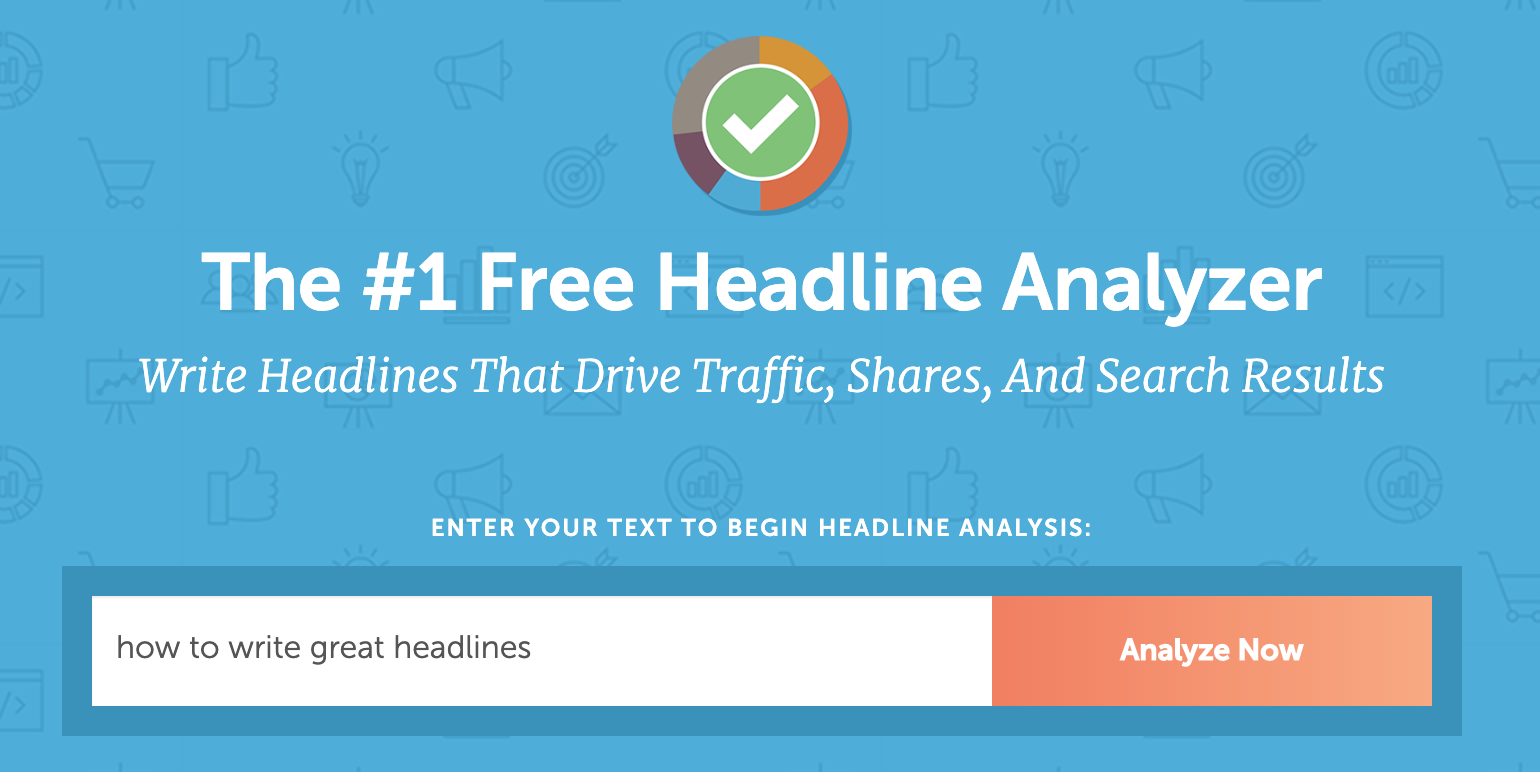
8. Your blogs are poorly edited
This might sound like it's obvious - but if you spend enough time reading blogs, you'll notice it's a prevalent issue. With many blogs, new and old, you can tell that they haven’t been edited at all – in fact, they look like they were published immediately after being written. Badly edited blog posts, with grammar issues, run-on sentences, unnecessary words and such, make for bad reading experiences and they also communicate that you don’t pay enough attention to detail which can be very damaging for a business blog. Just use a tool like Grammarly to help; it will highlight your errors and tell you exactly how to fix them.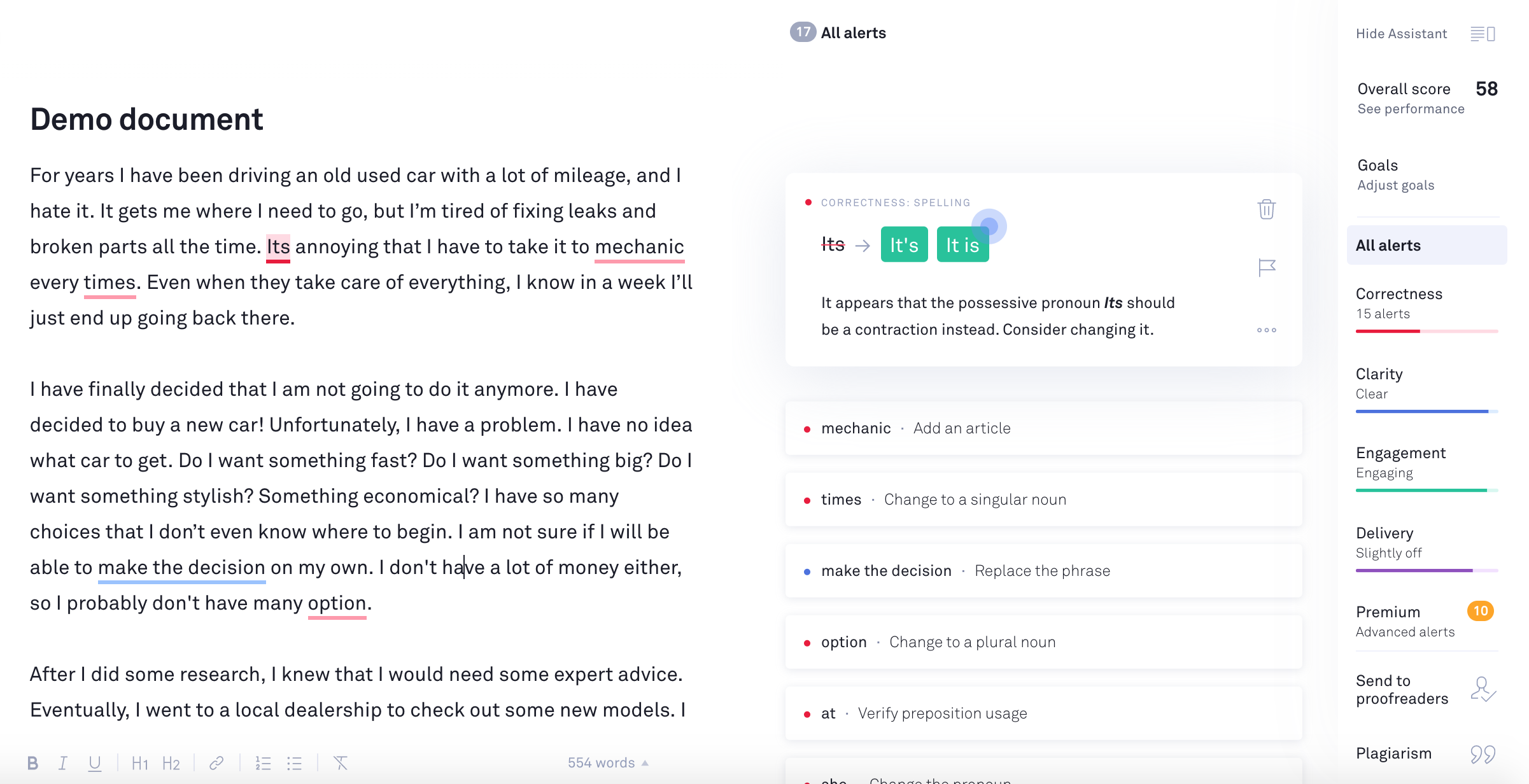
Conclusion
Everyone makes mistakes, and bloggers are definitely not excluded from that list. And many of these mistakes are very common - and oftentimes, very easy to correct. What do you think are the biggest and most common mistakes a blogger could make? What are some of the mistakes you’ve made as a blogger over the years?The short version: Most blogging mistakes come down to writing for yourself instead of your reader, skipping keyword research, and publishing without a clear call to action. Fix your headlines, structure, and consistency first, and the rest gets easier.
Frequently asked questions
What is the biggest mistake new bloggers make?
Not having a clear focus or target reader in mind. When a blog tries to cover everything for everyone, it ends up connecting with no one. Pick a niche, understand who you're writing for, and let that guide every post.
How often should I publish blog posts?
Consistency matters more than frequency. One well-researched post a week will outperform five rushed ones. Set a realistic schedule you can maintain long term, then focus on quality and promotion rather than just volume.
Do I need to worry about SEO in every post?
Yes, but it doesn't need to be complicated. Basic on-page SEO, such as a clear title tag, one target keyword, descriptive headings, and internal links, will help far more than ignoring it completely or overstuffing keywords.
Why isn't my blog generating leads or traffic?
This is usually a mix of weak headlines, no promotion plan, and missing calls to action. Great content still needs to be shared on social media, in email newsletters, and through outreach, plus a clear next step for readers to take.
There is a free resource for exactly this: the guest post opportunities list.
Want AI doing the heavy lifting in your marketing?
I build the systems that handle the boring 80 percent, so you get your week back. Done properly, with the human kept in.
Related reading: Your AI-Written Emails All Sound the Same (Here's the 20-Minute Fix).
Related reading: Grammarly Marketing Strategy: How They Built a Brand That Wins.
Related reading: Shopify Marketing Strategy: How They Built a Brand That Wins.
Related reading: What Makes AI Videos Sound Weird (And How to Fix It).

