Your Top 2019 Lead Generation Tips
More About Content Than ever Before
Many online articles tend to focus around the technical side of lead generation. Concepts such as marketing automation and bag data have taken centre stage. This approach has led many business owners to ignore the quality of their content. Informative and high-value content is one of the most powerful tools at your disposal. Not only is this critical from an SEO point of view, but the fact of the matter is that material that fails to generate interest will almost always reflect poorly upon the products themselves. Another major point to mention is that 2019 lead generation will involve how you approach potentially interested customers. Your content should be intended to inform as opposed to sell. Any material that represents nothing more than a thinly veiled sales pitch is bound to fall upon deaf ears. We need to appreciate that modern consumers (particularly the younger generation) are much more discriminating in regards to their buying habits. In other words, they are likely to detect a sales pitch from a mile away. Keep the content relevant and informative. The products should thereafter be able to sell themselves.What to Expect from E-Commerce in 2019
We now need to look at the bigger picture in terms of sales and lead generation. One of the most prevalent trends involves companies expanding far beyond their initial demographic. This can be difficult to achieve when using legacy or otherwise outdated solutions. It is instead critical that only the most advanced and flexible international ecommerce platform is chosen. Modern tools such as those provided by Shopify Plus are also able to handle large amounts of volume; ideal if you are anticipating a fair amount of growth during the coming year. However, they are also scalable enough to address the needs of small-to medium-sized enterprises. This saves time as well as money. Other notable features such as streamlined cross-channel marketing capabilities and robust APIs are likewise ideal when tackling modern lead generation requirements. Billions of users access the Internet on a daily basis and this sector represents a truly massive marketplace. Embracing the proper lead generation techniques will require insight and clarity. However, it is just as pivotal that the right e-commerce tools are at your disposal if you hope to truly leverage the potential benefits at your disposal. The year ahead looks promising and as always, it pays to be a winner.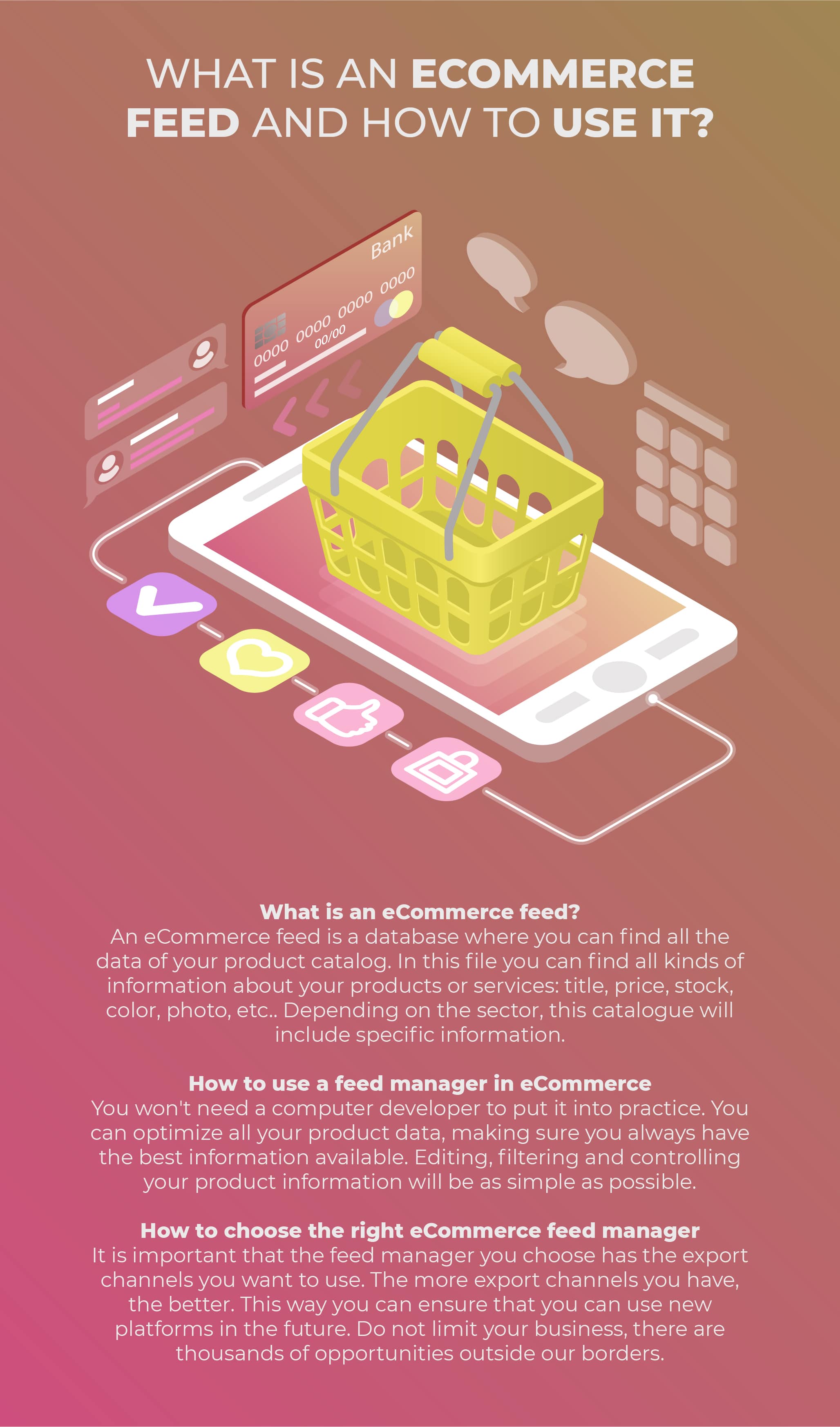
Related reading
- Building a Reputation: A PR Guide to Connecting with Your Customers
- 4 Innovative Ways to Create a Memorable Brand
- Creating Customer Loyalty Through Outstanding Online Order Packaging
- How to Increase Customer Traffic to Your Auto Shop
- more marketing and business articles
2026 Update: What Has Changed About Lead Generation Since I First Wrote This
I wrote this post back in 2019 and, honestly, some of it has aged well and some of it has not. The fundamentals of lead generation are still the same: you need to attract the right people, earn their trust, and give them a reason to hand over their details. What has changed is almost everything around how you do that in practice, and I want to be straight with you about it before you read anything below.
The biggest shift I have seen in my own work and with clients is that AI tools have completely changed the cost and speed of content production. In 2026, tools like ChatGPT, Claude, and Jasper mean that everyone can produce decent-sounding content quickly. That sounds like good news until you realise your competitors are doing the same thing. The bar for what actually converts a lead has gone up considerably. Generic lead magnets, tired checklists, and vague "free guides" are not pulling the numbers they once did. What works now is specificity: a lead magnet that solves one very precise problem for one very specific person.
Video and short-form content have also taken over as primary top-of-funnel drivers in a way that was only starting in 2019. If you are still relying purely on blog posts and static landing pages to fill your pipeline, you are leaving a lot of leads on the table. I am not saying abandon written content, I still believe in it deeply, but your lead generation strategy in 2026 needs to account for how people are actually discovering brands, and that is increasingly through short video, audio, and community-led spaces.
Email is still, I will say it firmly, the most valuable channel you own. What has changed is how you build your list. Cold outreach is harder than ever thanks to stricter spam filters and tighter data protection rules. Growing your list through genuine value, community trust, and well-placed opt-in offers is the only sustainable approach I recommend to anyone in 2026.
One more thing worth flagging before you read the original post: some of the tools I mentioned in 2019 have changed significantly, merged with other platforms, or in some cases no longer exist. Treat any specific tool recommendations below as a starting point for your own research rather than a definitive current recommendation. I cover updated tool guidance regularly over on lilachbullock.com, so check there for what I am actually using and recommending right now.
Bottom line: Lead generation in 2019 comes down to combining smart content, personalization, and the right mix of automation tools to capture and nurture prospects. The businesses that win focus on building relationships early and use data to guide every step of their outreach.
Want AI doing the heavy lifting in your marketing?
I build the systems that handle the boring 80 percent, so you get your week back. Done properly, with the human kept in.
Frequently asked questions
What is the most effective lead generation strategy for 2019?
Content marketing paired with targeted social media promotion continues to be highly effective, especially when combined with email nurturing sequences that guide leads toward a decision.
How important is personalization in lead generation?
Personalization is critical. Tailoring messages based on a prospect's behavior, interests, and stage in the buying journey significantly increases conversion rates compared to generic outreach.
Should small businesses invest in paid ads for lead generation?
Paid ads can work well when budgets are tight, as they allow precise targeting and quick testing of messaging. They work best alongside organic efforts like SEO and content marketing rather than as a standalone tactic.
What role does social proof play in generating leads?
Social proof, such as testimonials, case studies, and reviews, builds trust quickly and helps convert cautious prospects who are comparing multiple options before committing.