



Tech and Sleep: A Love-Hate Relationship
Technology can be good and bad for your sleep. It is bad for it can leave us exposed to an infinite number of terrible news; also, our capacity to generate the hormone melatonin is suppressed by the blue light produced by digital devices. Moreover, the thoughts of being not enough coming from looking at those picture-perfect lives of other people on social media make us feel restless and question our lives. However, technology can be good because there are now sleep devices that have been created to fix our sleep problems. Most of these tell you about your sleep quality, how well or how badly, you slept every night so that you will choose the right choices for your sleep routine. As technology becomes more widespread, there will be even more diversity in these sleep devices in the following years.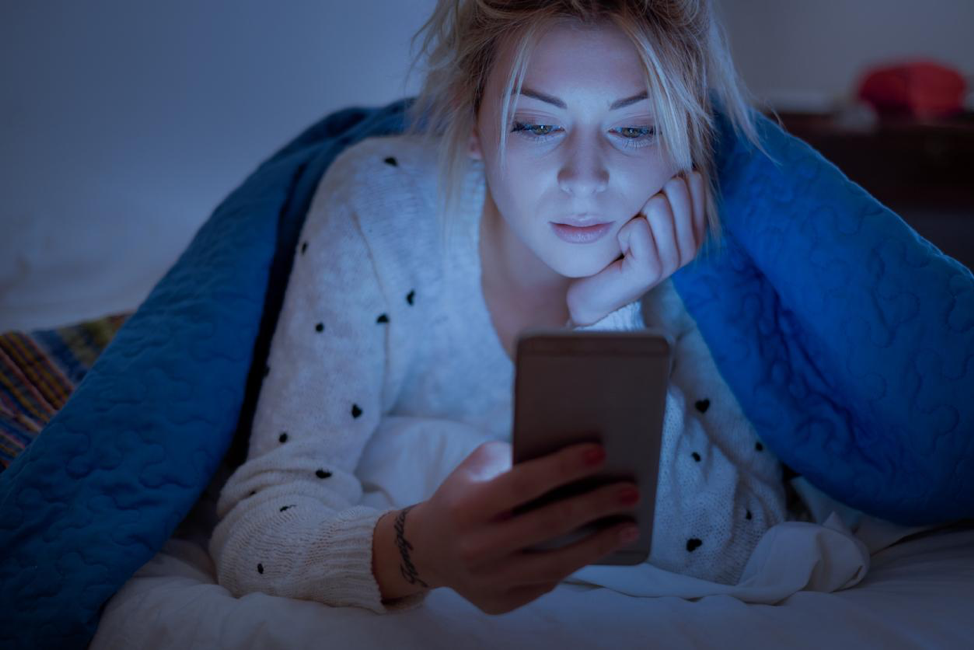
Technologies that will help you combat sleep sorrows
Smart Watches
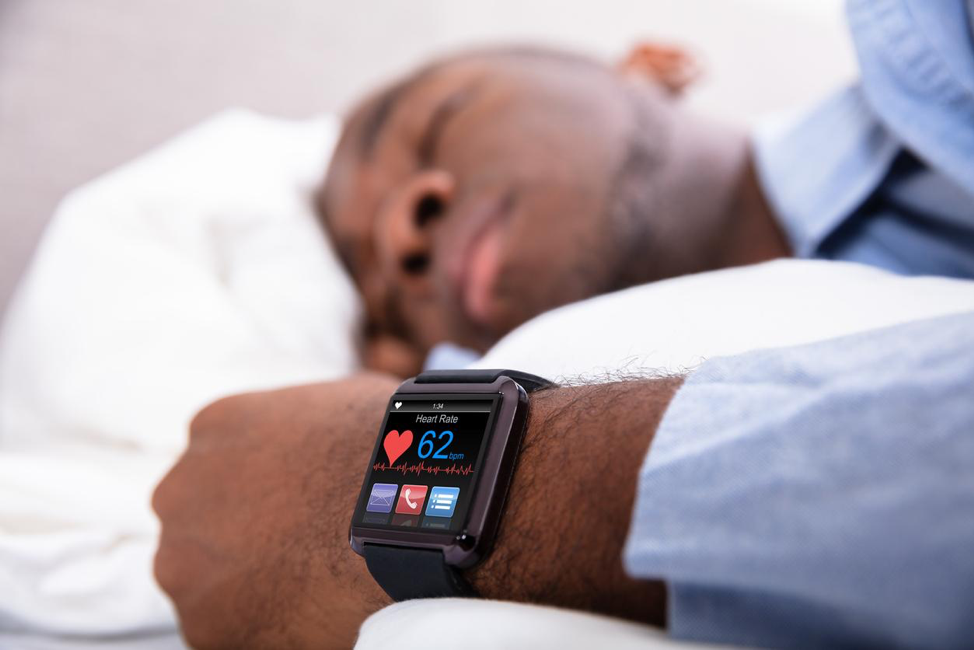
In the past years, companies have produced wearable devices that can monitor your daily steps, heart rate, calories, and sleep patterns. These smartwatches and other wearable devices have been to track their sleep through monitoring their movement while sleeping. For these trackers, if you have less movement, you have a deeper sleep. But if you want to obtain accurate information about your sleep, you need to undergo a medical sleep study to closely monitor brain activity and evaluate the phases of sleep that you go through at night. These studies can help you to diagnose sleep disorders such as sleep apnea and some sleep problems. Nevertheless, these sleep trackers can certainly be helpful to help you understand your sleep patterns and habits. For instance, when you sleep from 12 a.m. to 8 a.m., you feel sluggish but feel lively if you change your sleep schedule to 10 p.m. to 6 a.m.; or even get a good sleep on your comfy mattress when your room is more peaceful, darker and cooler. With that information, you can think about the changes in your sleeping habits that you can make. If there's anything that worries you about your sleep, consulting your doctor is strongly advisable. But if you're a healthy individual that wants to monitor your sleeping pattern, a wearable sleep tracker can be your best bet.Wake-Up Light
Another device that could help you with your sleep is wake-up light. This sleep technology was one of the widely used sleep aid before sleep technology was a thing. This device uses a daylight simulation that can help you stimulate your circadian rhythm to wake you up early in the morning. The incrementing light from this technology can slowly pull you out of your bed in the morning and can promote hormonal balance all day. While some of these have a double purpose as a diffuser of scents. To promote the increase of the production of cortisol in the morning, a daylight exposure through your wake-up light is recommended. This promotes a good reaction of stress hormones for the whole day. That's why healthy production of cortisol implies a good balance of hormones because these are closely linked next to each other. During the dark and gloomy months of winter, light therapy tends to make a wake-up light more useful than summer. According to a study, dawn stimulation can be a reliable therapy for seasonal affective disorder.Intelligent Bed
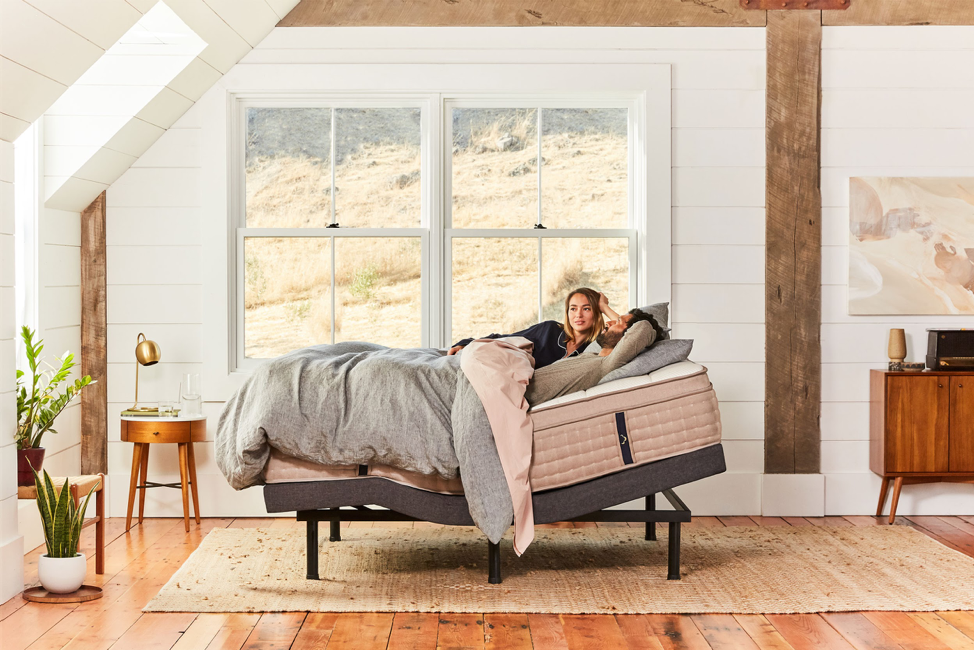
In modern times, our bedroom has been touched by intelligent technology. Basically, there are new and smart bed can tell you about your sleeping habits and can be connected to other smart home technologies.Also, do not forget about the importance of the thin pillow on which you sleep. For proper sleep, you should have not only your back as you feel comfortable, but also your neck. Only in the combination of this comfort and the optimal amount of time you can sleep.
Keep in Mind
Naturally, the prolonged problem with many of these technologies is that if there is an unpretentious demand for it. To resolve sleep-related problems, putting down your phone is the best alternative. The quickest way for us to have quality sleep is to limit the use of your mobile phone. Remember to not to bring your phone to your bed an hour before you sleep. Your rooms should have an analogue atmosphere as possible if you want to stay healthy.Related reading
- How To Bring Agile To The Whole Organization
- What to do if HMRC investigates your SME
- Top Gifts on a Budget for Your Girlfriend
- How to Increase Your Digital Presence with Traditional Signage
- more marketing and business articles
The short version: Sleep technology can help you understand your habits, but it cannot fix the reasons you are not sleeping in the first place. Devices are only as useful as the changes you make because of them. Better tech means better data, not automatically better rest.
Related: mobile technology (this site).
Frequently asked questions
Can sleep trackers improve sleep quality?
Sleep trackers can highlight patterns like inconsistent bedtimes or frequent waking, which gives you something concrete to act on. On their own, though, they do not change behaviour. The improvement comes from what you do with the information, not from wearing the device.
Is smart home technology worth it for sleep problems?
Smart lighting, temperature control and white noise machines can remove small environmental barriers to sleep. For people whose main issue is stress, screen habits or an irregular schedule, though, these tools will only go so far. They work best as one part of a wider routine.
Want AI doing the heavy lifting in your marketing?
I build the systems that handle the boring 80 percent, so you get your week back. Done properly, with the human kept in.
Why do so many people still sleep badly despite owning sleep tech?
Most sleep problems come down to lifestyle, stress and habits rather than a lack of information. People often already know they should go to bed earlier or put their phone away, and a gadget does not remove that gap between knowing and doing. Technology can support change, but it cannot force it.
What should someone look for before buying a sleep gadget?
It helps to be clear about the actual problem first, whether that is falling asleep, staying asleep or waking up groggy. A device that targets that specific issue will be far more useful than a general tracker bought on impulse. Simple, consistent habits still matter more than any single product.



